
SENIOR doctors have raised serious concerns over the running of Wales’ flagship hospital, warning that patient care and staff morale are at risk.
In an exceptionally rare move, the most senior consultants at Cardiff and Vale University Health Board — a body representing more than 100 members — wrote to the health board chair to highlight what they describe as major failings at the University Hospital of Wales (UHW).
The letter has not been published, either by the consultants or the board, but it was discussed at a recent accountability meeting with the Welsh Government’s Cabinet Secretary for Health, Jeremy Miles. WalesOnline understands it flags serious issues with the hospital’s ageing infrastructure and the management of services.
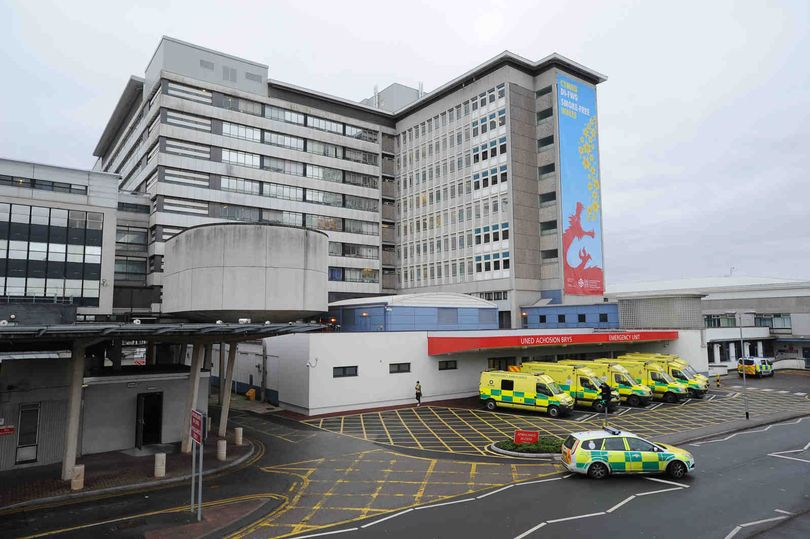
Built in the 1960s, UHW serves not only Cardiff but a much wider region. It faces chronic structural problems, and long-promised plans for a replacement hospital have made little progress.
The letter reportedly criticises management for failing to incorporate “clinical input on key decisions.” At Thursday’s public accountability session, Mr Miles questioned senior board officials about the concerns raised.

“Clearly we’re not getting it right,” admitted Paul Bostock, the board’s chief operating officer, though he insisted decisions were not made behind closed doors and pledged to engage more with consultants.
Earlier this year, a damning report into UHW’s operating theatres found chronic leaks that could undermine patient confidence, poor lighting hampering surgery, and cluttered corridors caused by inadequate storage.
Sources say the consultants behind the letter considered a formal vote of no confidence in the board’s management but decided against it for now.
The hospital’s long-standing maintenance problems have had tragic consequences. In September, we reported on Gareth Idris Johnson, a 41-year-old father of three, who died after being moved to a different unit due to infrastructure issues following an operation. Coroner Kerrie Burge warned that similar problems could put other patients at risk. Whistleblowers have repeatedly described “horrendous” conditions at UHW’s Heath site.
Responding to the letter, James Evans, the Conservative shadow health secretary, said it would be a “dereliction of duty” if the Welsh Government did not intervene. “Patients deserve better,” he added.
Plaid Cymru health spokesman Mabon ap Gwynfor described the letter as “extremely concerning” and said it reflects the party’s longstanding concerns about the state of hospital estates and the need for clinical input at both board and government levels. He accused the Labour Government of having “no plan and no ambition to get to grips with the multiple crises faced by our health service here.”
In July, the Welsh Government escalated Cardiff and Vale University Health Board to a level four targeted intervention, citing “serious concerns relating to governance, culture, quality and safety and operational pressures.” Level five — placing the board in special measures — has not been applied.
The recent report into operating theatres also documented illicit drug use, racism, bullying, and staff sabotage, alongside delays in fixing leaks and repeated sightings of pigeons in trauma theatres and corridors.
At the accountability meeting, health board chairwoman Kirsty Williams expressed gratitude to the consultants for raising their concerns. She said:
“I understand some of their frustrations, I get it. When I first met Suzanne [Rankin, the health board’s chief executive] before I took up post, she spent a lot of that meeting talking to me about the UHW. To be honest, I thought maybe she was exaggerating what she was telling me. I was a bit sceptical. And then I went to the Heath and we walked around. I understand what our consultant colleagues are telling us in terms of the impact of that infrastructure on them and not just an impact on their morale but actually towards efficiency as well.”
A health board spokeswoman told reporters that the executive team “fully acknowledges the legitimacy of the concerns raised” and has provided a detailed response, offering to work with consultants to co-design services.
Plans to replace the hospital, first announced in 2021, have stalled. Initial work was scheduled to start in 2025 with completion three years later, but clarity on progress has been lacking.
A Welsh Government spokesman said the board is still “developing a plan for the future of both the University Hospital of Wales and University Hospital Llandough sites.” He added:
“Following this, we will work with the health board about options and timelines. We have been clear with the health board about their need to improve the culture and leadership, particularly addressing concerns raised in the recent internal reviews and letter from consultants. Cardiff and Vale University Health Board remains in level four escalation and we are working with them to agree appropriate intervention support.”
The board has faced multiple controversies in recent years, including an external probe into the Hafan y Coed mental health unit following scathing inspections, the mishandling of bullying by an electroconvulsive therapy clinic manager, and allegations of unauthorised visitors watching operations.
Asked whether the consultant letter would be released, a board spokeswoman said it would not. On plans to improve facilities, she added that a site conditions survey had been undertaken using Welsh Government funding to identify and address the most urgent risks.
She continued:
“A survey of estate utilisation across all sites is also underway which should enable us to identify opportunities to reduce the overall University Health Board footprint, optimise use of the best facilities and create ‘decant’ space to enable works to be undertaken on the Heath site. This will be important to enable a phased approach to a University Hospital of Wales build programme. Most recently we shared an early-stage concept for an acute/tertiary services new build on the Heath site with the clinical board directors which was well received.”
The spokeswoman emphasised the board’s commitment to ensuring clinical leadership is central to service planning and infrastructure development, working in partnership with the Welsh Government. She concluded:
“Nonetheless, it is clear that we all collectively have a lot of work to do in improving reciprocal communication and engagement across the whole health system.”