

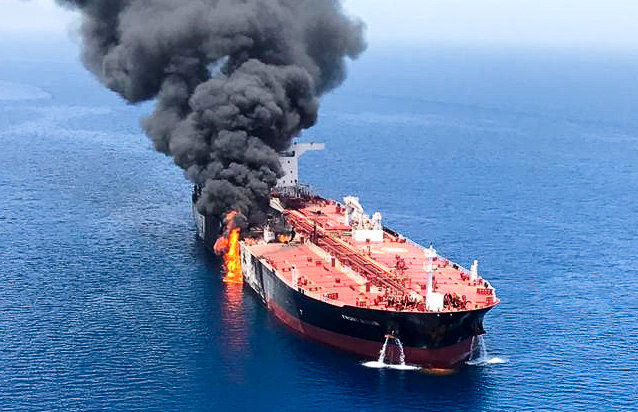

STRAIT OF HORMUZ CRISIS
JAPAN and South Korea could face petrol rationing within months if the war involving Iran continues to disrupt global oil shipments, energy analysts have warned.
The escalating conflict has already begun choking traffic through the Strait of Hormuz – the narrow shipping lane through which roughly one fifth of the world’s oil normally flows.
Much of that oil is bound for Asia.
Experts say the countries most exposed to a prolonged disruption are Japan and South Korea, two highly industrialised economies that rely heavily on crude oil imported from the Middle East.
Japan imports almost all of its oil, with the vast majority coming from Gulf producers and travelling through the Strait of Hormuz. South Korea faces a similar dependency.

If tanker traffic through the strait remains restricted for an extended period, analysts warn that both nations could see fuel supplies tighten rapidly as deliveries slow and global markets scramble for alternative sources.
Governments in Asia have already begun preparing contingency plans as energy prices surge and shipping insurers increase premiums for vessels entering the Gulf.
Strategic oil reserves could cushion the immediate impact, but experts warn those emergency stockpiles are designed to buy time rather than solve a prolonged supply crisis.
“If the disruption lasts several months, governments may have little choice but to introduce emergency fuel controls,” one energy analyst said.
Such measures could include petrol rationing, restrictions on industrial fuel use, or government control over distribution in order to prioritise essential services.
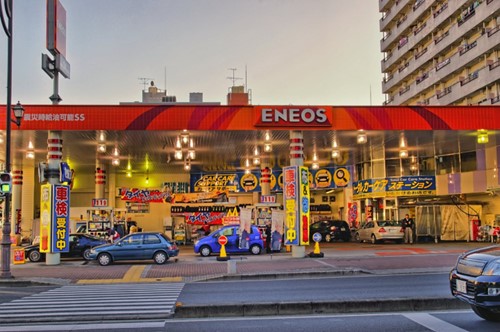
The potential consequences extend far beyond motorists.
Japan and South Korea are two of the world’s largest manufacturing economies, producing cars, electronics and semiconductors that supply global markets. Any sustained energy disruption could ripple through international supply chains.
Meanwhile oil markets remain highly volatile as traders attempt to gauge how long the conflict may continue and whether shipping through the Strait of Hormuz can return to normal.
For now, energy officials across Asia are watching developments in the Gulf with growing concern.
If the crisis drags on, the impact could soon be felt far from the battlefield – at petrol pumps across some of the world’s most advanced economies.