


STRAIT OF HORMUZ CRISIS
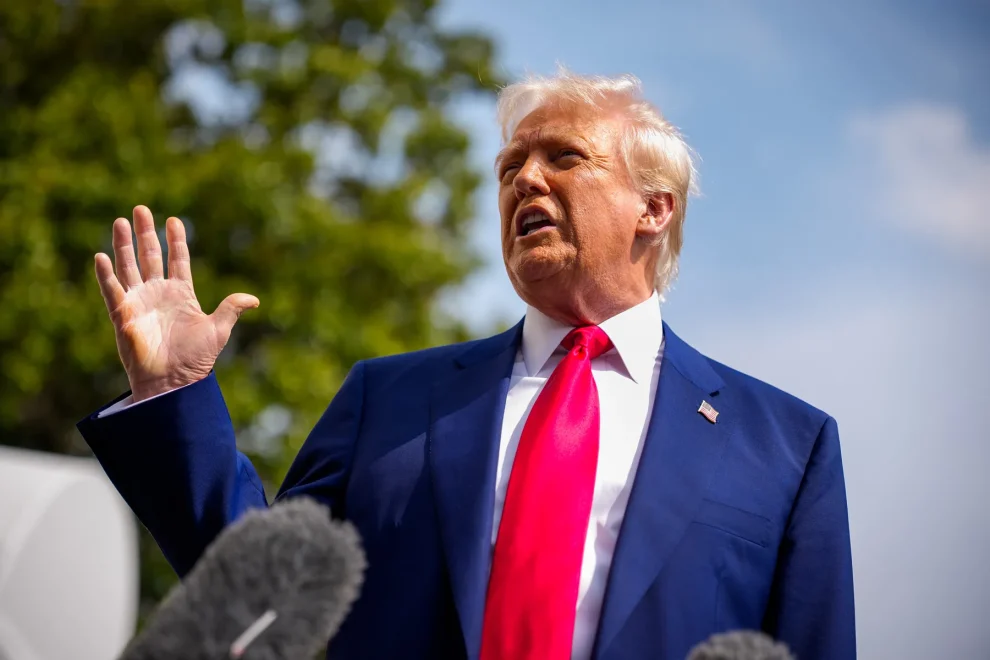
US PRESIDENT Donald Trump has urged the United Kingdom to send warships to the Middle East to help secure the Strait of Hormuz as Iran’s retaliation in the ongoing conflict continues to disrupt one of the world’s most critical oil routes.
The call comes as shipping through the narrow waterway has effectively ground to a halt following missile, drone and mine attacks linked to the escalating war. Analysts say tanker traffic through the strait has fallen sharply since the fighting began.
Located between Iran and Oman, the Strait of Hormuz is the most important oil chokepoint on the planet. Normally around 20 million barrels of oil per day – roughly one fifth of global supply – pass through the route.
Since the war began in late February, numerous vessels have reportedly been damaged or forced to turn back, while many more have anchored outside the Gulf waiting for the situation to stabilise.
In practical terms, analysts say Iran has been able to use geography to exert enormous leverage over global energy markets.

“Iran cannot permanently close the Strait of Hormuz, but it doesn’t have to,” one maritime security expert said. “If tankers refuse to sail because of the risk of mines, drones or missiles, the effect is almost the same.”
President Trump said Western allies must act together to protect the shipping lanes.
“The UK should be sending warships to help secure the Strait of Hormuz,” he said, calling for an international effort to keep the route open.
The appeal places pressure on the British government to decide whether it will increase its naval presence in the region as tensions escalate.
Britain already maintains naval forces in the Middle East as part of maritime security operations aimed at protecting international trade.
However, the scale of the current disruption has raised fears of a major global energy shock.
Oil prices have surged as markets react to the sudden loss of shipments from the Gulf, with analysts warning that prolonged disruption could trigger wider economic consequences.
The conflict has also exposed the strategic advantage Iran holds through its position along the Strait of Hormuz.
Even without a formal blockade, threats from missiles, naval mines and fast-attack craft have been enough to deter much of the commercial traffic.
For now, Tehran appears able to exert pressure on the global economy simply by making the waterway too dangerous for ships to use.
That reality is now forcing governments around the world to consider military options to reopen the route – a move that could risk drawing more countries into an already widening conflict.
With energy markets rattled and tanker traffic stalled, the struggle for control of one of the world’s most vital maritime passages is rapidly becoming a defining front in the war.