
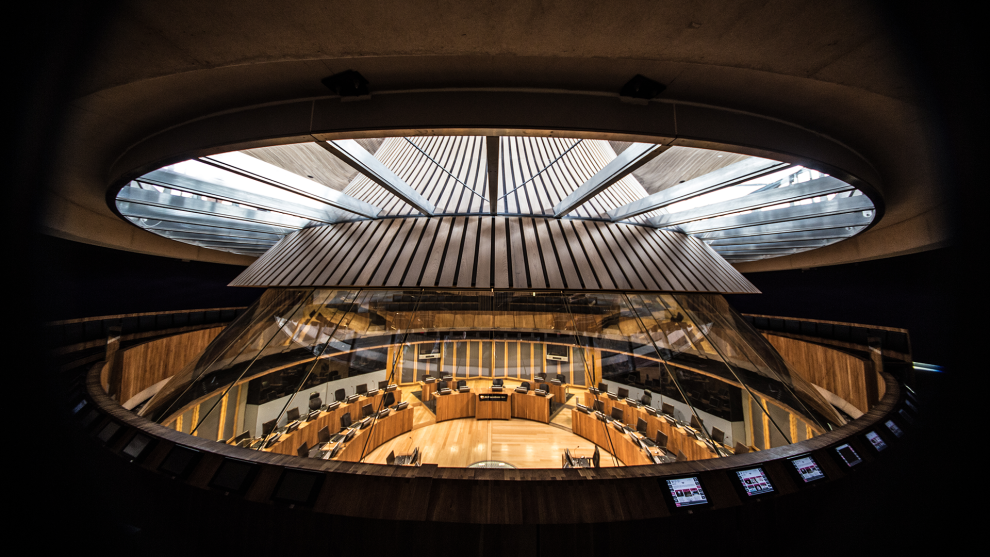
A PROPOSAL to make it illegal for politicians to lie during Welsh elections has been criticised by Senedd members, who have warned it contains “extraordinary” powers that could restrict free speech.
The bill is due to be debated in the Senedd on Tuesday (Jan13), but politicians from across the chamber – including Labour members – have said it may struggle to win enough support unless it is significantly amended. One key concern is the absence of a clear definition of what would constitute a “false or misleading” statement.
The Welsh Labour government wants to create a new criminal offence covering false or misleading statements of fact made to support an election candidate. In a statement, it said the legislation “sets out to build stronger foundations for Welsh democracy”.
Ministers pledged to act on political dishonesty after a similar proposal came close to becoming law last year, despite opposition from the Welsh government at the time. Supporters argue that banning lies in election campaigns could help rebuild trust and confidence in democratic institutions.
However, the proposed ban would not be in place for the next Senedd election in May and would not come into force until at least 2030. There is no fixed timetable, and one minister has suggested even that target may prove unrealistic.
The bill has drawn heavy criticism in two reports from cross-party Senedd committees. The legislation committee warned that, as drafted, the proposals could allow a future government to “seriously hinder full and proper democratic discourse during an election campaign”.
It highlighted the lack of clarity over what would amount to a “false or misleading” statement, who the offence would apply to, and how it would be enforced. Rather than setting this out in law, the bill would require Welsh ministers to create the criminal offence only after the legislation had been passed.
Another committee, established specifically to scrutinise the bill, cautioned ministers that without changes the proposals on lying might fail to secure sufficient backing in the Senedd.
The committee, chaired by Labour Senedd member David Rees, said that “a power to limit free speech before or during an election with so few parameters as to the scope of any prohibition would be extraordinary as drafted”.
It added that it was concerned the Welsh government was asking the Senedd “to give its endorsement to the creation of a new serious criminal offence which is undefined and could have life-defining repercussions”.
A majority of committee members concluded that if the bill could not be amended in time for its next stage in the Senedd, the section dealing with false statements should be removed altogether.
The committee also criticised the limited time available to scrutinise the legislation, which was introduced late in the Senedd term, reducing opportunities to consult the public and other stakeholders.
Rees said: “Strengthening the ways we hold members to account is essential for public trust and the Senedd should get this right.
“While the committee supports the ideas behind the bill, it is clear to us that it will need significant amendment and real improvement if it is to be good law that will deliver on its aims for the people of Wales.”
BBC Wales understands that Labour members on the committee, along with Conservative Senedd member Sam Rowlands, were among those who felt there would not be enough time for the government to make the necessary changes.

Prof Jeremy Horder, a criminal law expert at the London School of Economics, warned that an “over-broad false statement law” could “have an unduly chilling effect on the speech of conscientious people and media outlets”.
Responding to the committee’s report, the Welsh government’s most senior law officer, Julie James, said it was “imperative that a full assessments of the impacts on the justice system… is undertaken”.
A Welsh government spokesperson reiterated that the legislation “sets out to build stronger foundations for Welsh democracy”.
“Having carefully considered the committees’ reports we have accepted in principle, or noted the significant majority of the recommendations ahead of the general principles debate,” they said.
The bill, which will face its first vote on Tuesday, also includes plans to allow Senedd members who misbehave to lose their seats through a recall ballot of their constituents.
However, it does not introduce a wider ban on Senedd politicians lying in general. That follows a committee recommendation that existing arrangements – including investigations by the parliamentary standards commissioner – should instead be strengthened.
It is already a criminal offence to make false statements about the personal character or conduct of an election candidate.