

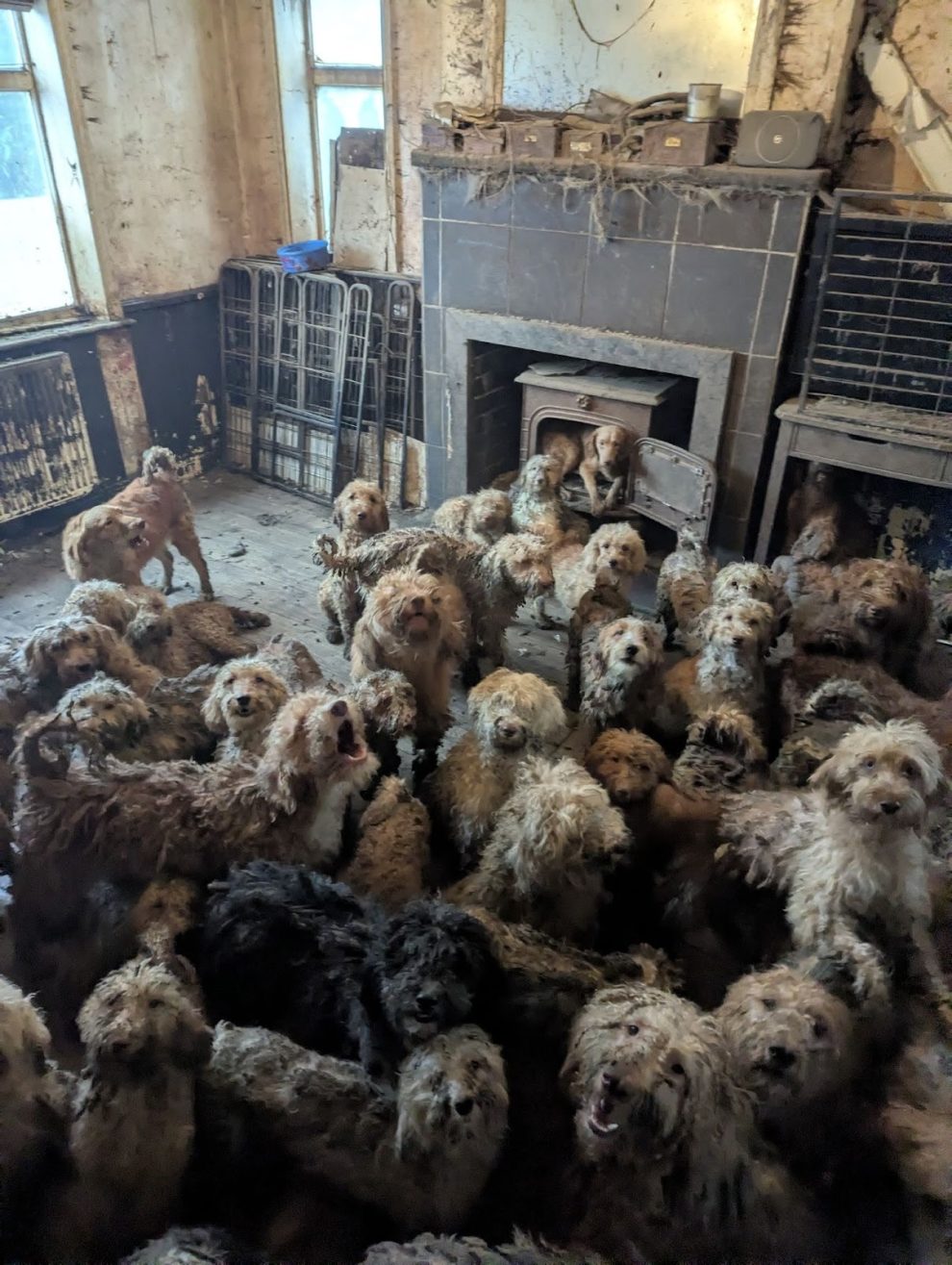

THE RSPCA is urging animal lovers in Wales to consider adopting a rescue pet as new figures show a sharp rise in large-scale incidents involving 10 or more animals at the same address.
The charity said there were 344 such incidents in Wales in 2025, up from 214 in 2022 — an increase of 61 per cent. Across England and Wales, the RSPCA responded to 4,200 incidents last year involving at least 10 animals at one property.
The warning comes as the charity says its centres are already over capacity, with more animals in care than there is space to house them.
RSPCA Superintendent Jo Hirst said: “We are struggling with rising reports of cruelty and neglect and, over recent years, more and more of those reports involve 10, 20, even 100 animals. Because they have often been living in large groups, they may need extra support before they are ready to find a new home.”
She added: “We currently have more animals in our care than space in our centres. These large animal rescues are adding to already overwhelmed animal centres and local charities.

“We really need help from animal lovers. If you are considering adding a pet to your home, please consider rescuing. We need extra special homes for some of our animals.”
The RSPCA said it dealt with 1,752 mass cat incidents across England and Wales last year — almost five every day — along with 1,119 incidents involving dogs, the equivalent of three every day.
In 75 of the cases, 100 or more animals were rescued from the same property. Thirteen of those incidents involved cats and three involved dogs. Many required multi-agency operations involving other charities and public bodies.
The charity said cases involving large numbers of animals at one address can be linked to mental health struggles, the cost-of-living crisis, or breeders operating with poor practices. Experts say situations can quickly spiral out of control, even where owners were initially well-meaning.
Across Wales, the highest number of incidents in 2025 were recorded in Rhondda Cynon Taf with 32, followed by Carmarthenshire with 29, Swansea with 26, and both Neath Port Talbot and Cardiff with 23. Wrexham recorded 22 cases and saw the biggest year-on-year rise, climbing from seven incidents in 2024 to 22 in 2025.
Pembrokeshire recorded 19 large-scale incidents in 2025 involving 10 or more animals at the same address. While that was slightly down from 20 in 2024, it remained above the 15 incidents recorded in 2022, showing the issue is still a significant concern locally.
The RSPCA said Welsh cases have involved a wide range of animals, including horses, donkeys, cats and dogs. In one case in recent years, almost 50 dogs were rescued from one property, many suffering with dirty coats, fleas and skin disease.
Among the animals in Wales now looking for new homes are several cats at RSPCA Newport Animal Centre.
Reid is described as a cat whose fun-loving personality is shining through more each day. Staff say she would benefit from a quiet home where she can settle at her own pace with patient adopters.
Cookie, also at Newport, was initially nervous and shy after coming from a multi-animal home, but has since grown in confidence and now enjoys fuss and attention. She could live with older children.

Luna, another cat at the centre, is said to need a calm home with no children, allowing her time to settle. Staff say she becomes very affectionate once comfortable and would suit a household where someone is around much of the time.
Jo Hirst said: “Rescues involving lots of animals are often very complex and can include very difficult family circumstances, mental health problems, or be linked to irresponsible pet breeding.
“People accumulate animals for a multitude of reasons, but the welfare risks for these poor animals are always the same.
“We have already had two incidents involving hundreds of pets this year. Those sorts of rescues put strain on our services and are extremely harmful to the animals involved. It is vital we work with external partners when dealing with these types of incidents to ensure support is in place where appropriate.”
She added: “Often, animals rescued from crowded environments are undersocialised and require a long period of rehabilitation before being rehomed, which puts even more strain on an already stretched rescue centre.
“We are encouraging people to contact an animal rescue organisation if they are at a stage where they, or someone they know, is struggling with the numbers of animals they have in their household. Often, problems escalate because people do not reach out early enough.”
The RSPCA said hoarding is only one cause of these cases, with some incidents involving breeders who become overwhelmed by the numbers of puppies or kittens in their care. In many situations, the charity said, the best outcome is achieved through early advice and support to protect the animals and prevent future harm.
Jo added: “Serious mental health issues and complex situations involving animal hoarding are in part driving these figures. It is vital that people are able to contact us — or another animal charity — where they have too many pets and are unable to cope.
“These situations put massive pressure on our national centres, which have limited space for housing animals. That is why we are asking people with space in their home for a pet to consider adopting — it frees up space so we can rescue more animals in need.”
People interested in adopting can visit the RSPCA website at rspca.org.uk/findapet.