



POLITICIANS in the Senedd have voted in favour of legislation that could allow assisted dying services to be provided through the Welsh NHS in future, marking what ministers described as an “unusual constitutional moment” for Wales.
Members of the Senedd voted 28 in favour, 23 against, with two abstentions, to give consent to elements of a UK bill currently progressing through Parliament that would legalise assisted dying in England and Wales for terminally ill adults.
The vote does not itself make assisted dying legal. The proposed law is still being scrutinised in Westminster and remains some distance from becoming law, with more than 1,000 amendments tabled during its passage through the House of Lords.
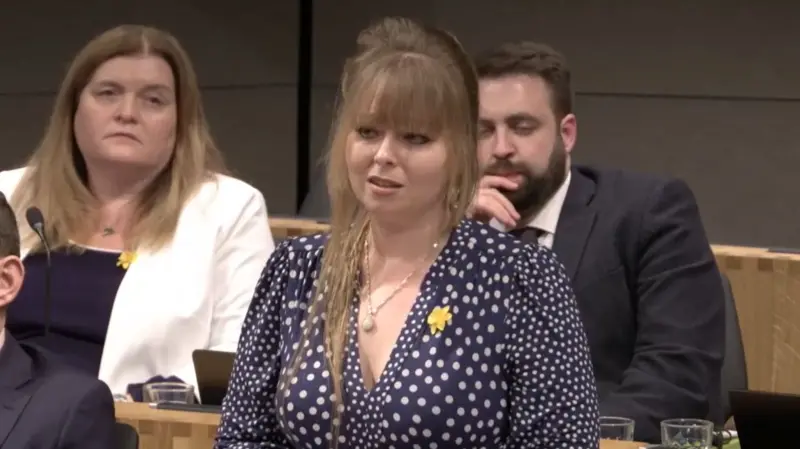
However, the Senedd’s decision means that — if the legislation is ultimately approved by the UK Parliament — Welsh ministers would have the authority to establish assisted dying services within NHS Wales.
Health Secretary Jeremy Miles told members the vote represented a rare constitutional situation because assisted dying itself is not devolved to Wales, but the delivery of health services is.

He said the debate had been approached with “care” and recognition of the seriousness of the issue, adding that without the motion the Senedd would have had no opportunity to express a view on how services might operate in Wales.
The motion also included a Plaid Cymru amendment criticising what was described as a lack of thorough consideration by Westminster of the constitutional implications for Wales.
Divided political opinion
The debate revealed deep divisions across parties.
Welsh Conservative leader Darren Millar opposed the motion, arguing the legislation effectively sanitised what he described as “assisted suicide” and warning about the ethical implications for medical professionals.
Others supported the measure on practical grounds rather than principle. Labour MS Julie Morgan said failing to approve the motion could leave Wales without access to services if the law changed elsewhere.
She told the chamber that only a small number of people would likely seek assisted dying, but that access should not depend on whether someone could afford private care.
Plaid Cymru politicians also expressed mixed views. Former party leader Adam Price said the Senedd had been placed in an “invidious position” but argued withholding consent would not prevent assisted dying — only risk a private-sector-only system.
Meanwhile, some MSs raised concerns about vulnerable people feeling pressured to end their lives, while others warned about the potential impact on palliative care services and the doctor-patient relationship.
Reform UK’s James Evans abstained, saying he supported the principle of assisted dying but believed the legislation still required significant clarification.
What happens next
The bill itself remains under consideration in the UK Parliament and is not guaranteed to pass.
If it does become law, the decision about whether to introduce assisted dying services in Wales would fall to a future Welsh Government.
The issue is likely to remain politically sensitive, particularly ahead of the Senedd elections scheduled for May, where questions around health policy, personal autonomy and ethical legislation may feature prominently in campaign debates.