

AFTER nearly a decade of division, economic drift and diplomatic damage, Britain’s Prime Minister has finally said what most of the country now believes – that Brexit was a mistake.
It doesn’t matter which side of politics you’re on – everyone agrees that the whole thing has been a disaster. The only point still in dispute is whose fault it is.
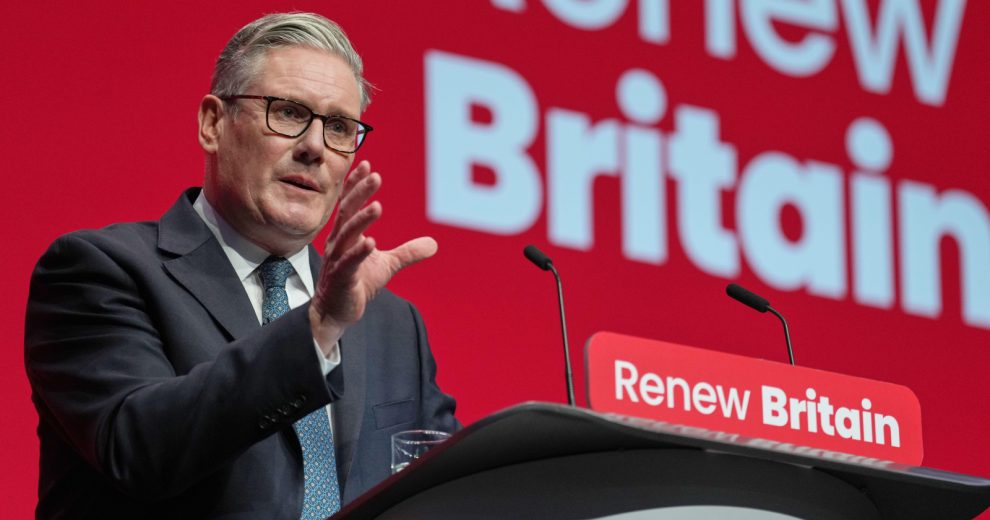
At the Labour Party conference in Liverpool, Sir Keir Starmer accused “self-appointed representatives of the people” of having “sold the lie of Brexit and walked away.” His words marked the first time a serving Prime Minister has openly acknowledged that leaving the European Union was not the patriotic liberation it was promised to be, but a national misstep.
The comment sent shockwaves through Westminster, reigniting one of the most bitter debates in modern British politics. Yet for millions of voters, the sense of regret has been building for years.
A gamble for party unity
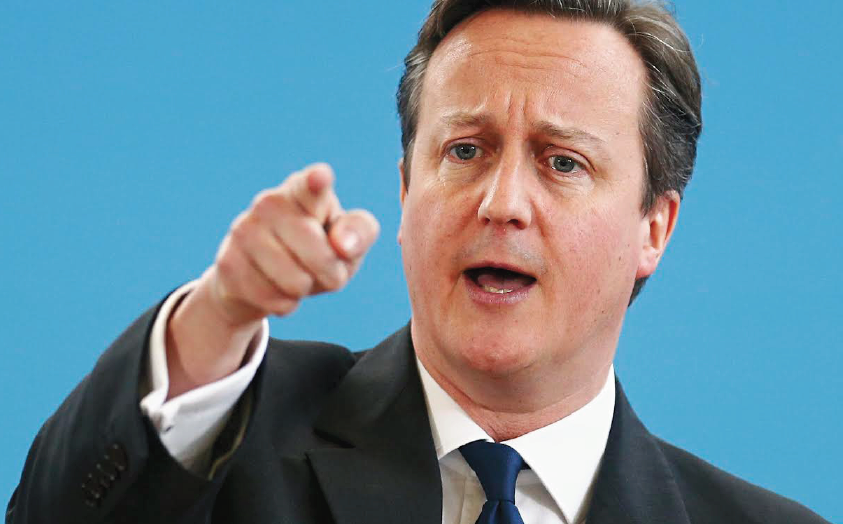
The story begins with David Cameron, who called the 2016 referendum not because the country demanded it, but because his own party did. Under pressure from Eurosceptic MPs and Nigel Farage’s insurgent UKIP, Cameron gambled Britain’s future on what he thought would be an easy victory.

When the country voted narrowly to leave, he resigned the next morning, leaving no plan, no leadership and no roadmap for what came next. It was, in hindsight, the original sin of the Brexit era – a national plebiscite called for internal party management, with consequences that would last for generations.
Sold a dream that could never be delivered
Millions of people voted Leave in good faith, driven by real hopes of control, fairness and national pride. Those hopes were genuine – even if the promises were not.
The Vote Leave campaign, fronted by Boris Johnson and Michael Gove, sold a dream that could never be delivered. Britain, they claimed, would “take back control,” save £350 million a week for the NHS, and strike better trade deals across the globe. None of it proved true.
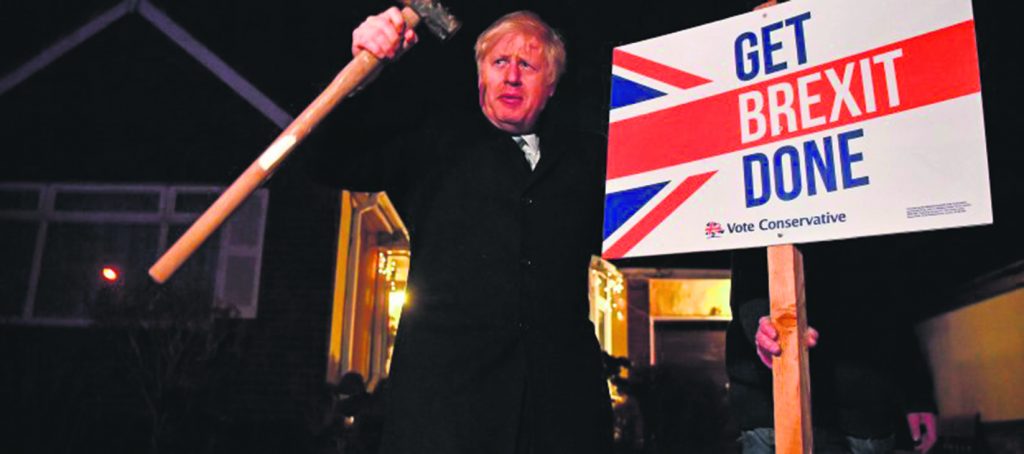
Instead, Johnson’s government pursued the hardest possible form of Brexit, severing ties with the single market and customs union. The slogan “Get Brexit Done” became a substitute for economic strategy. What followed was customs red tape, labour shortages and collapsing export volumes – not liberation but isolation.
Nigel Farage, the self-styled champion of the people, helped make Brexit inevitable but bore none of the responsibility for its execution. Having declared victory, he promptly walked away, leaving others to manage the fallout he had helped create.
The missing opposition
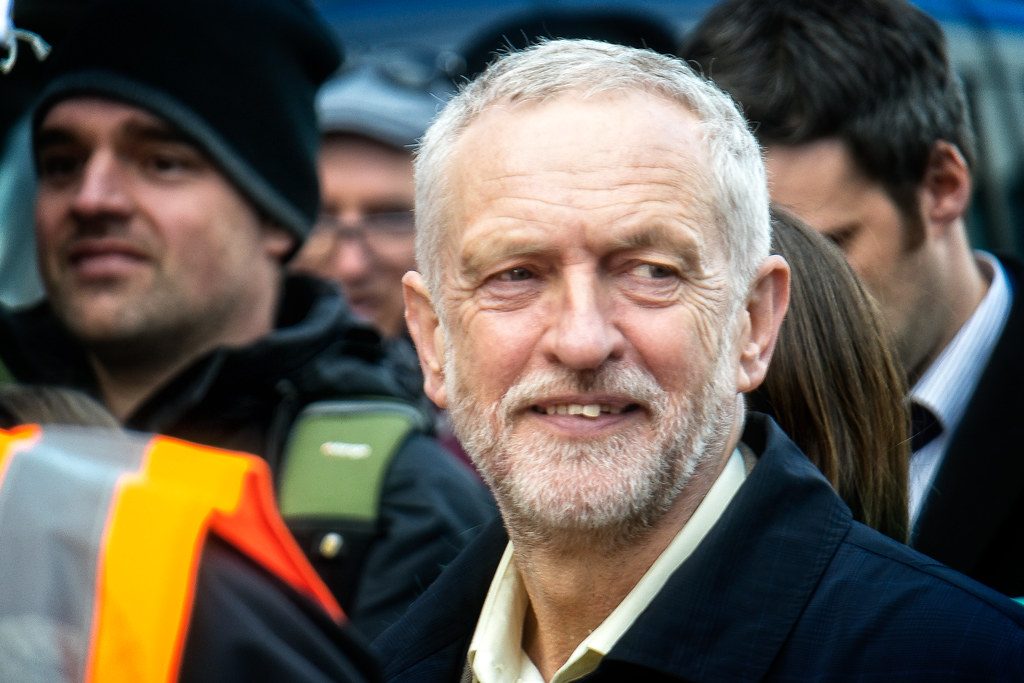
Labour’s leadership at the time also bears blame. Jeremy Corbyn’s half-hearted Remain campaign failed to offer voters a clear alternative vision of Britain inside Europe. His refusal to take a strong stand on a second referendum allowed Leave rhetoric to dominate in former Labour heartlands, paving the way for Johnson’s landslide in 2019.
Years of damage
Nine years later, the impact is undeniable.
- Economically, UK trade with the EU is down around 15 per cent compared with pre-Brexit trends. The OBR estimates the economy is 4 per cent smaller than it would have been inside the single market.
- Politically, Britain’s standing in Europe has diminished. Diplomats describe a country once seen as a bridge between the US and Europe now reduced to a spectator.
- Socially, Brexit has deepened divides between generations, regions and nations – fuelling support for independence movements in Scotland and rekindling border tensions in Northern Ireland.
- Culturally, the end of free movement has shrunk opportunities for young people, artists and small businesses that once thrived on easy access to Europe.
What was promised as the restoration of sovereignty has often felt like the surrender of influence.
A reckoning at last
Starmer’s admission does not mean a push to rejoin the EU – at least not yet. The Prime Minister insists that his goal is to “make Brexit work,” not to reopen old wounds. But in acknowledging that Britain was misled, he has broken a political taboo that long constrained debate.
In doing so, he reflects public opinion. Polls show around 60 per cent of Britons now believe leaving the EU was a mistake. Only a third still defend it. The great national silence around Brexit is finally cracking.

Who bears the blame?
If Brexit – or at least the version of it we have lived through – was a national act of self-harm, it was one committed with many hands on the knife. Responsibility is spread across parties, personalities and decades of political cowardice.
David Cameron lit the fuse. Terrified of losing his grip on a divided Conservative Party, he promised a referendum he thought he couldn’t lose. When he did, he walked away the next morning — no plan, no roadmap, no leadership.
Boris Johnson turned that gamble into a crusade. He gave Brexit its swagger and its slogans — “Take Back Control,” “Get Brexit Done” — but not the substance to make them real. When the slogans ran out, the hard border, the trade friction and the labour shortages remained.
Nigel Farage weaponised frustration. For years he railed against Brussels, the establishment and immigration — giving voice to grievances that were real, but offering no workable plan to fix them. When the chaos began, he claimed victory and left the stage.
Jeremy Corbyn, leading Labour at the time, could have offered clarity. Instead, his half-hearted Remain campaign and later fence-sitting over a second referendum left voters uncertain what Labour stood for. The result was a landslide for Johnson and a mandate for the hardest form of Brexit imaginable.
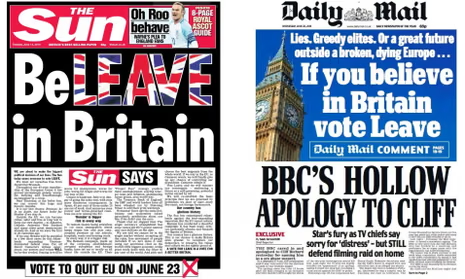
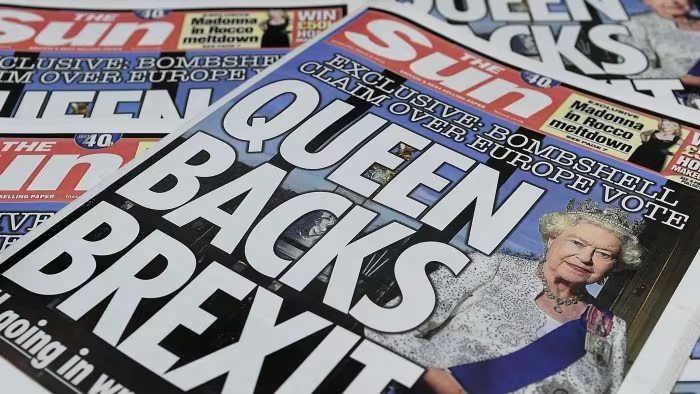
Behind them all stood sections of the British press, which for years turned the EU into a cartoon villain — a convenient scapegoat for problems made in Westminster. The drip of distortion became the tide that carried the country out.
And finally, there is the electorate itself — millions who voted in good faith, believing they were taking back control. They were promised sovereignty and prosperity; they got neither. They were sold hope — and left with red tape.
| Figure | Role in the debacle | Legacy |
|---|---|---|
| David Cameron | Called the referendum for party reasons, then walked away | Lit the fuse |
| Boris Johnson | Fronted a campaign of slogans and deceit | Delivered a hard Brexit that damaged trade |
| Nigel Farage | Whipped up anti-EU populism | Created pressure but offered no plan |
| Jeremy Corbyn | Failed to lead a clear Remain alternative | Left voters confused and divided |
| The tabloid press | Fuelled myths about Brussels and immigration | Normalised misinformation |
| The electorate | Voted for a dream that never existed | Still living with the consequences |
What the future holds
Britain’s road back to stability will not run through Brussels alone. For now, rejoining the EU remains politically out of reach – both because of public fatigue and the sheer complexity of reversing the 2020 withdrawal agreement. But a quiet realignment is already under way.
Starmer’s government has reopened channels with European partners on security, youth mobility, science and energy cooperation, signalling a more pragmatic tone after years of confrontation. Ministers talk of “building trust first” – widely understood in Brussels as laying the groundwork for closer ties when the political climate allows.
Yet that climate has shifted again. Farage is back from the political wilderness – and look where he is now. After reclaiming the leadership of Reform UK in mid-2024 and spending more than a year rebuilding its base, he has now driven the party past the Conservatives in the polls and forced Starmer onto the defensive.
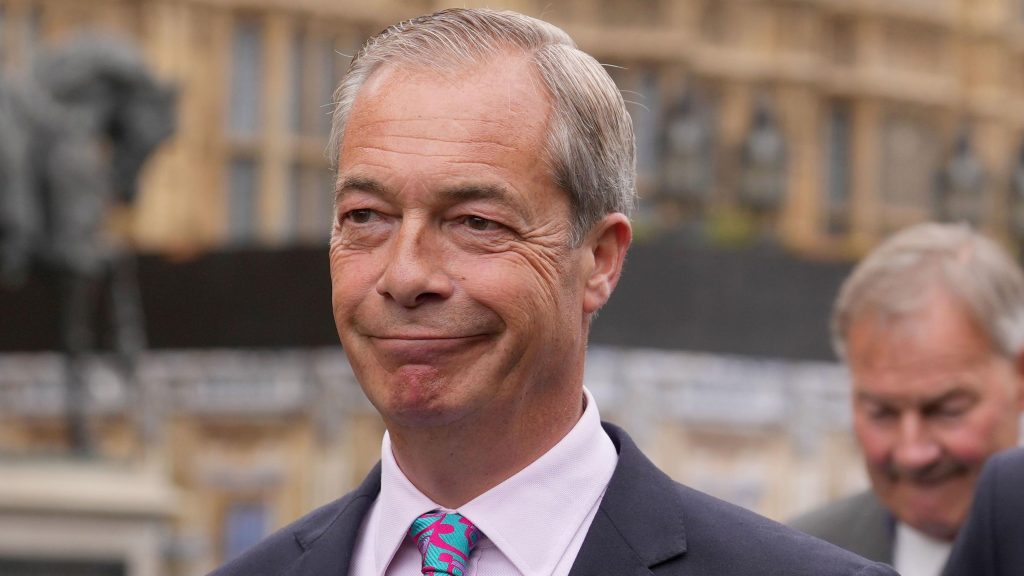
Farage’s promise to “finish the job” of leaving the EU entirely has revived the rhetoric many thought buried. His power lies not in policy but in disruption – in turning anger into momentum and disillusionment into votes.
For all their differences, there is one point on which Keir Starmer and Nigel Farage now agree – that Brexit was not done well. The Remainer who wanted to stay and the campaigner who made leaving his life’s mission have arrived, from opposite ends of the spectrum, at the same conclusion: Britain got Brexit wrong.
The only question now is who the country will trust to put it right – the man who says he can fix it, or the one who still vows to finish it.