


SPECIAL REPORT – How latest lunar plans are a truly an international effort
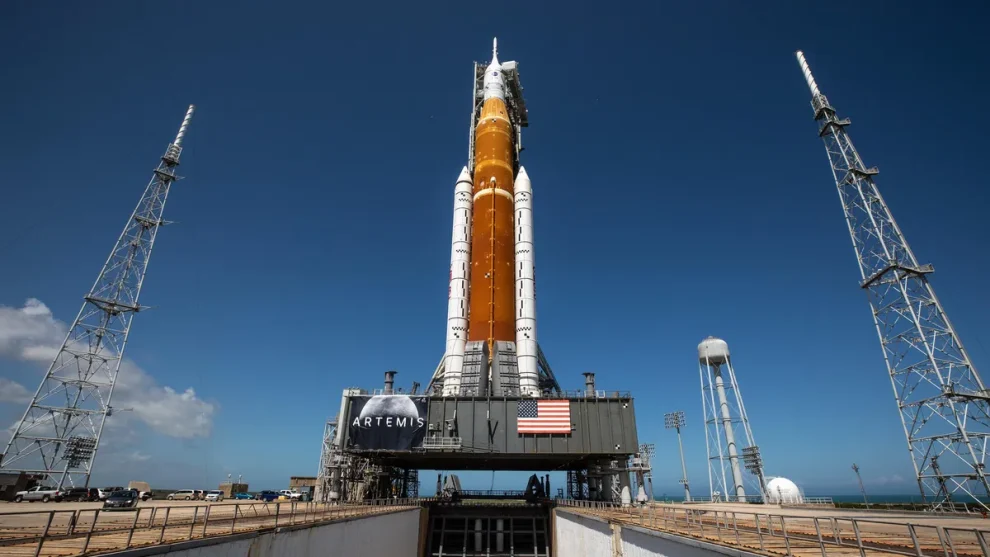
THE SPACE RACE is back — but forget Apollo’s flag-planting sprint. NASA’s Artemis programme is a marathon of supply chains, standards and long-term presence. As NASA’s massive Artemis II rocket slowly rolls out to the launch pad today (Sunday) this isn’t just about who plants a flag first. It’s about who builds the infrastructure, sets the rules, and sustains influence in the next era of lunar exploration and beyond.
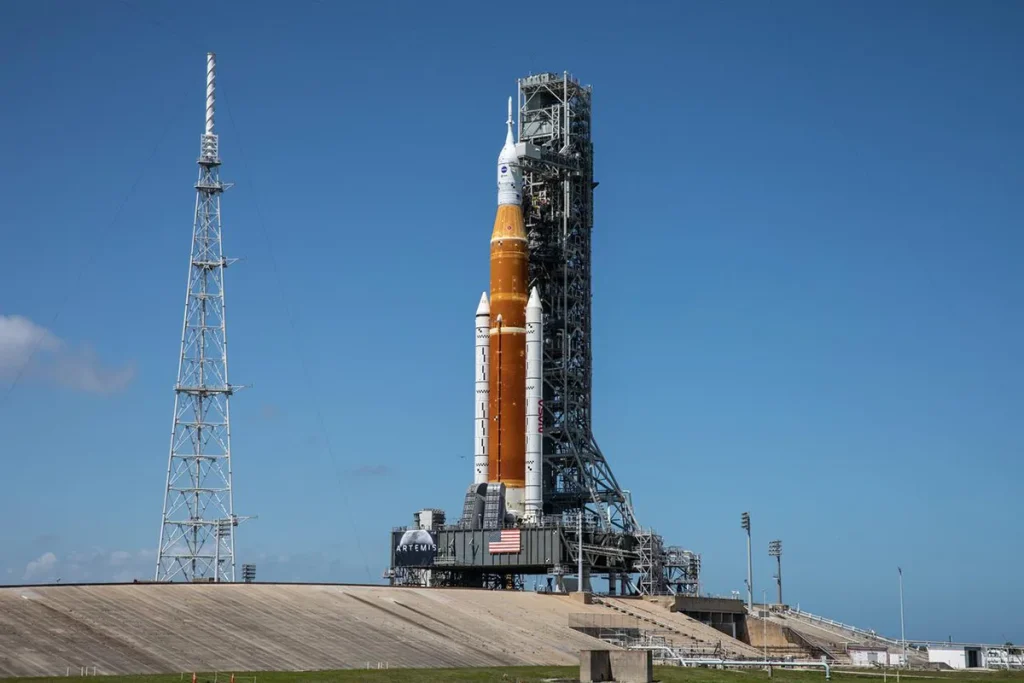
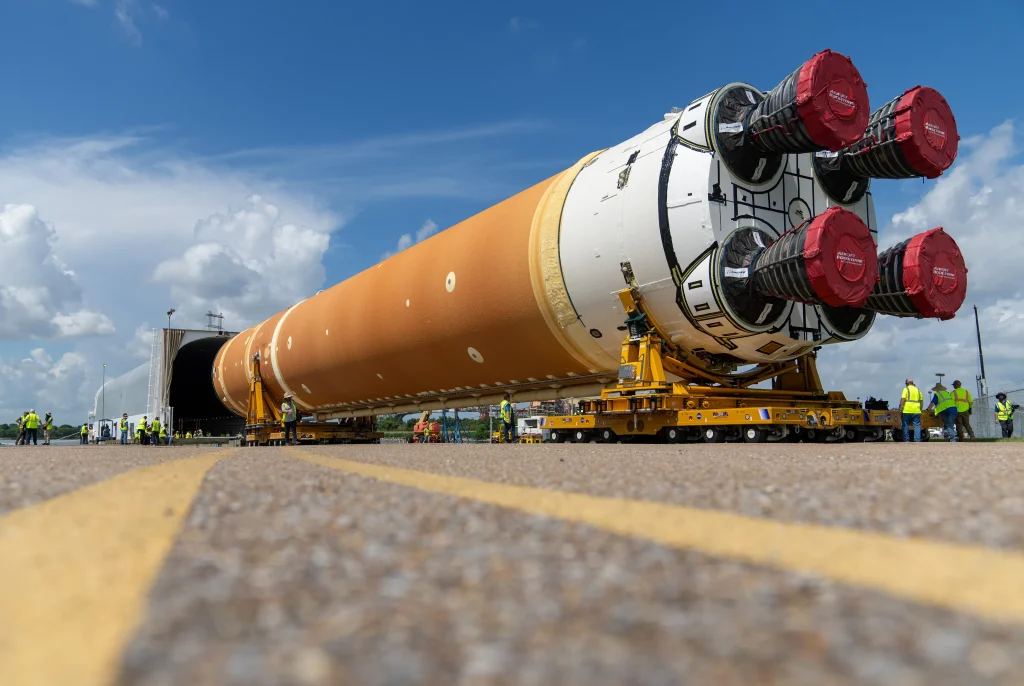
On the surface, Artemis looks like an American show: a Florida launchpad, NASA’s Space Launch System rocket, an Orion spacecraft. But peel back the layers and it becomes obvious this is a genuine coalition effort — one where the United Kingdom, and increasingly Wales, has a meaningful supporting role in the rules, the hardware and the industrial backbone that will define deep-space missions for decades.

The UK is not a passenger
Britain isn’t supplying the giant rocket, running the launch, or leading the programme overall. Yet the UK is embedded in Artemis through three critical dimensions: diplomatic frameworks, essential hardware and specialist capability.
First, the UK signed the Artemis Accords in October 2020. That sounds like paperwork, but it matters. In a future of frequent missions, lunar bases and commercial activity, the real competition will be over behaviour, interoperability and trust: who shares data, who can work safely together, and who helps shape the norms that govern activity beyond Earth. The Accords are the scaffolding for all of that — and signing them puts Britain inside the tent as the rules of the next space era are written.
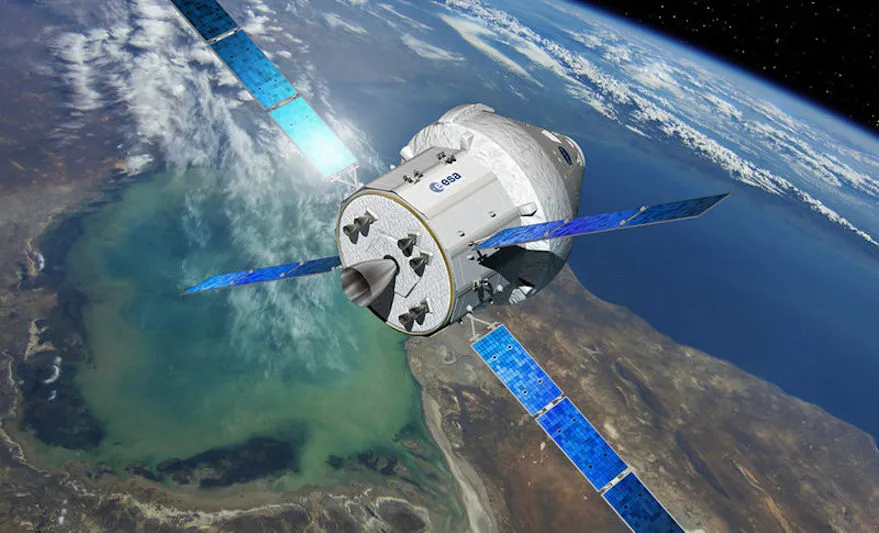
Second, the most tangible proof that Artemis is international is bolted directly to the spacecraft. Orion relies on a European Service Module delivered through the European Space Agency, with Airbus as prime contractor. This module isn’t a decorative “European contribution”. It provides the unglamorous essentials that make the mission possible: electricity, propulsion, thermal control, and key life-support resources such as air and water. Without it, the spacecraft cannot operate as intended.

Third, that European contribution draws on a distributed industrial chain — the modern reality of spaceflight. The UK’s space sector matters because it is strong in the behind-the-scenes work: high-reliability engineering, advanced electronics, precision materials, software and testing. These are not headline-grabbing roles, but they are the difference between a mission concept and a mission that flies.
So where does Wales fit?
To be clear and honest about scale: Wales isn’t designing the SLS rocket, selecting the crew, or dictating mission timelines. But Wales is demonstrating real relevance in the technologies the long-duration exploration economy will depend on — and that is what “powered by Wales” should mean.
Cardiff-based Space Forge is the standout example. At the end of 2025, the company successfully generated plasma aboard its ForgeStar-1 satellite — describing it as a world-first capability for commercial orbital semiconductor manufacturing. In plain English, it showed that the extreme conditions needed for processes like gas-phase crystal growth can be created and controlled autonomously in low Earth orbit.
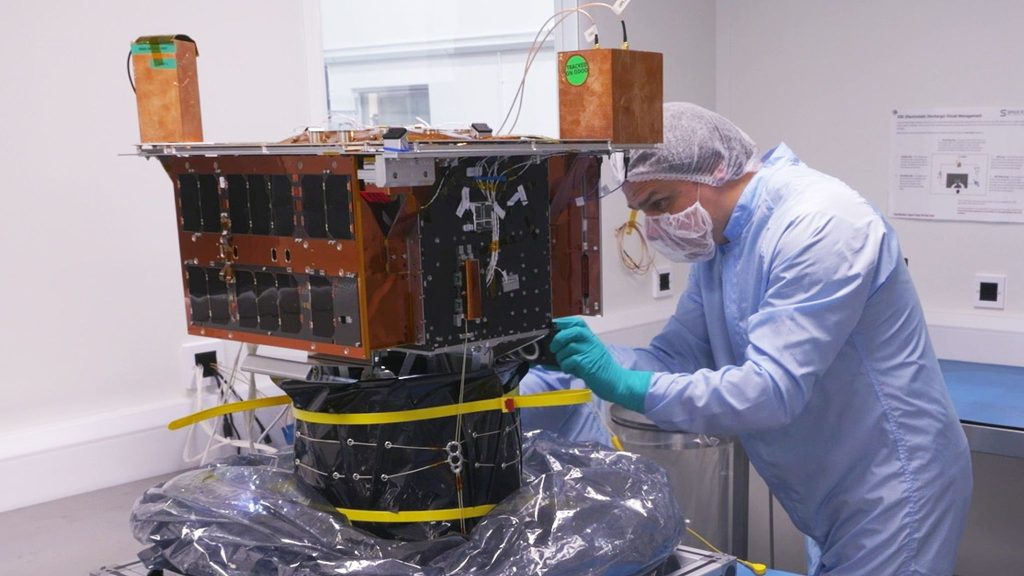
Why does that matter to a Moon programme? Because better semiconductor materials and tougher high-performance components can mean more efficient power systems, more resilient communications, and hardware that survives harsh environments for longer. These are the incremental gains that ripple through satellites today and, in time, through the systems needed for sustained lunar operations tomorrow.
This is not isolated innovation, either. Wales is building the kind of ecosystem that turns a clever demonstration into a supply-chain advantage. The Wales Space Cluster Catalyst Fund — backed by the UK Space Agency in partnership with Space Wales and the Welsh Government — is designed to unlock opportunities for Welsh businesses and researchers, building skills and collaboration across the sector.
In the new space race, that ecosystem-building is not window dressing. It is how places secure a future share of contracts and talent. You do not have to own the rocket to benefit from the industry — but you do have to be ready when primes and agencies decide who they trust to deliver.
Why the international angle matters — especially for Wales

The new Moon race isn’t just prestige. It is strategic: presence, influence, and economic leverage in a domain where China is advancing its own lunar ambitions and partnerships. America’s answer is not isolation, but alliance — spreading cost and risk, and building legitimacy through international cooperation.
For the UK, Artemis offers leverage: a voice in standards, industrial participation through ESA-linked hardware, and the technology spillovers that come with serious programmes. For Wales, the opportunity is more specific: to become known for specialist capability — in advanced manufacturing, materials, electronics, and the research-to-industry pipeline that turns prototypes into products.
The real prize isn’t the first set of footprints. It is the long tail: sustained supply-chain roles, industrial growth and well-paid skilled jobs.
This isn’t about waving a flag at a distant launch. It is about doing what Wales has always done best: building clever, reliable things the world increasingly needs — and making sure Wales is on the supply lists when lunar exploration stops being a spectacle and becomes routine.