

AS NATIONAL Gardening Week (April 27 – May 3) is upon us, British Garden Centres is encouraging gardeners to look beyond blooms and borders, embrace curiosity and focus on the vital role gardens play in supporting wildlife and biodiversity. As part of its Make It Bloom campaign, British Garden Centres is highlighting simple ways gardeners can help nature thrive by creating welcoming spaces for pollinators and wildlife right at home.
National Gardening Week was started in 2012 by the Royal Horticultural Society to celebrate the joy of gardening and the curiosity that comes with it, from noticing the first bees of spring to watching plants grow, flower and attract wildlife. British Garden Centres is inviting gardeners of all abilities to take time to observe their gardens, ask questions, and explore how planting choices and simple changes can help bring nature closer to home.
Gardens of all shapes and sizes, from balconies and patios to large outdoor spaces, can provide valuable habitats for bees, butterflies and birds. By planting a diverse mix of flowers, leaving areas of shelter and choosing wildlife-friendly plants, gardeners can help support declining species while enjoying a healthier, more vibrant garden.
Simple ways to bring nature home:
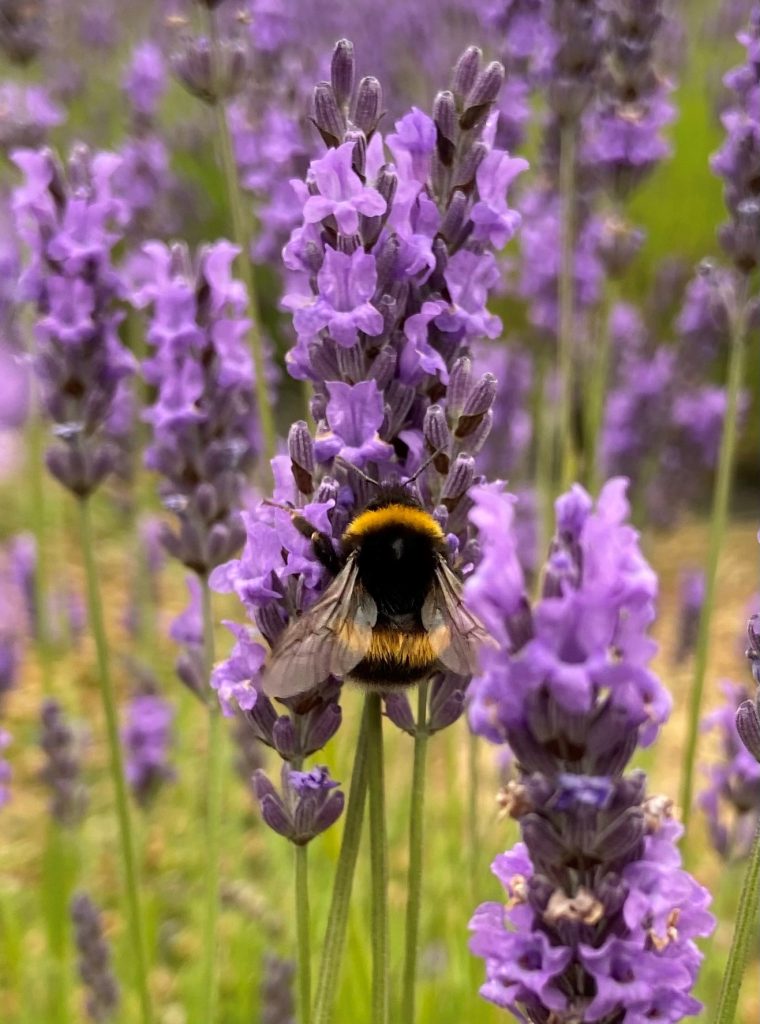
- Take time to observe: Curiosity starts with noticing what already visits your garden. Watch a bumblebee work its way methodically around an allium, spot a blue tit hunting for insects along a branch, or look out for a hedgehog emerging at dusk from beneath a shrub. Keeping a simple note on your phone of what you see and when can reveal surprising patterns over the weeks and months.
- Plant for pollinators: Choose a mix of flowers that bloom at different times to provide a continuous food source for wildlife throughout the season. Hellebores and crocuses offer vital early nectar for emerging bees in late winter and spring, while alliums and salvias bridge the summer months. Echinacea, rudbeckia and verbena carry food value deep into autumn, long after many other plants have finished flowering.
- Read your plant labels: The symbols on a plant label are more useful than they might look. A sun symbol means a plant needs at least six hours of direct light to thrive, so planting a lavender or salvia in a shaded border will leave it struggling and prone to disease. A shade symbol, on the other hand, means a fern or hosta will do far better tucked beneath a tree than baking in an open bed. Getting placement right from the start saves effort later and produces healthier plants that attract more wildlife.
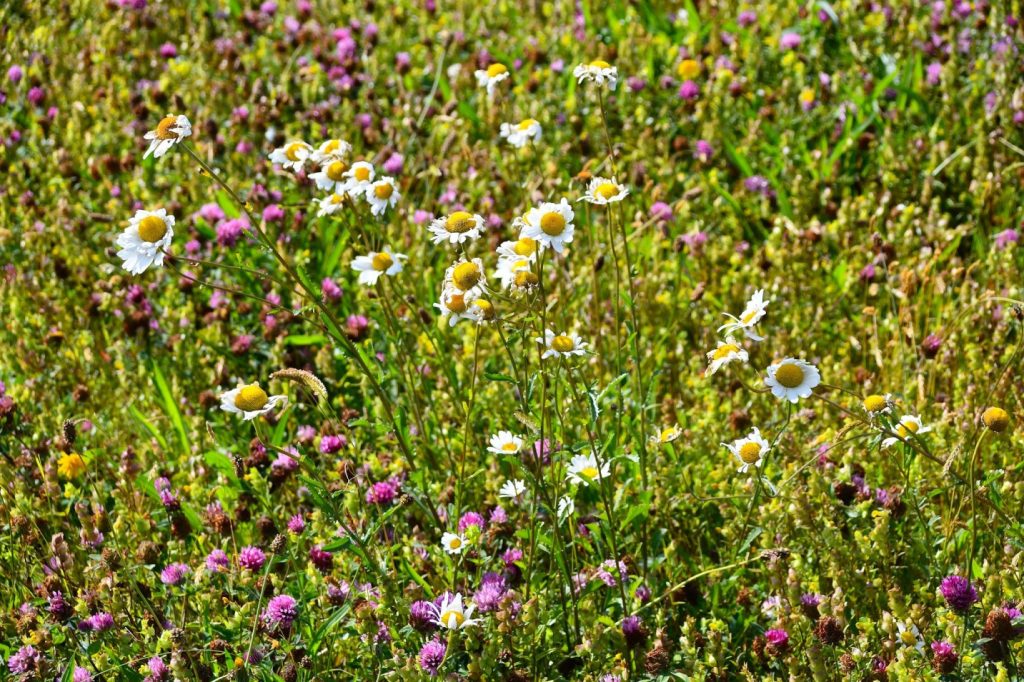
Let nature lead: Leaving seed heads on plants through winter gives goldfinches and other birds a natural food source. Allowing a patch of grass to grow longer provides cover for beetles and grasshoppers, while a small pile of logs or a bundle of hollow stems tucked into a corner can shelter solitary bees, worms and overwintering insects without any ongoing effort.

Every little space counts: A pot of thyme on a balcony, a trough of marigolds on a patio, or a window box planted with nasturtiums can all draw in pollinators and support local biodiversity. Even a shallow dish of water left out on a warm day gives bees, butterflies and birds something they genuinely need. You don’t need a large garden to encourage wildlife or even a garden at all to make a real difference; it’s all about making the most of the space you have got.
Lucy Hewitt, Marketing Campaigns Manager at British Garden Centres, said: “Gardens spark curiosity at every stage.
“Whether it’s spotting a butterfly visiting a flower or noticing how different plants attract different insects, these small moments help people feel more connected to nature.
“By encouraging curiosity, we can help gardeners understand the vital role their gardens play in supporting wildlife.
“The theme of ‘curiosity sits at the heart of National Gardening Week and aligns closely with the Make It Bloom campaign, which is designed to build confidence through friendly, jargon-free advice.
“By inspiring curiosity and encouraging people to look more closely at their gardens, British Garden Centres hopes to help gardeners better understand the wildlife around them and the positive impact gardening can have on the environment.”
For more information on Make it Bloom, please visit British Garden Centres’ website.
British Garden Centres (BGC) is the UK’s largest family-owned garden centre group with 79 centres around the country. The group is owned and led by the Stubbs family, who also own and operate Woodthorpe Leisure Park in Lincolnshire.
BGC was launched in 1990 with the opening of Woodthorpe Garden Centre by brothers Charles and Robert Stubbs. Since 2018, it has expanded rapidly with the acquisition of 50 garden centres, allowing it to grow from its heartland to the business it is now, with 79 garden centres spread from Carmarthen to Ramsgate, Wimborne to East Durham.
The group has a team of over 3,500 colleagues working across the garden centres, restaurants, growing nurseries, distribution centres, Woodthorpe Leisure Park, and Woody’s Restaurant & Bar.