
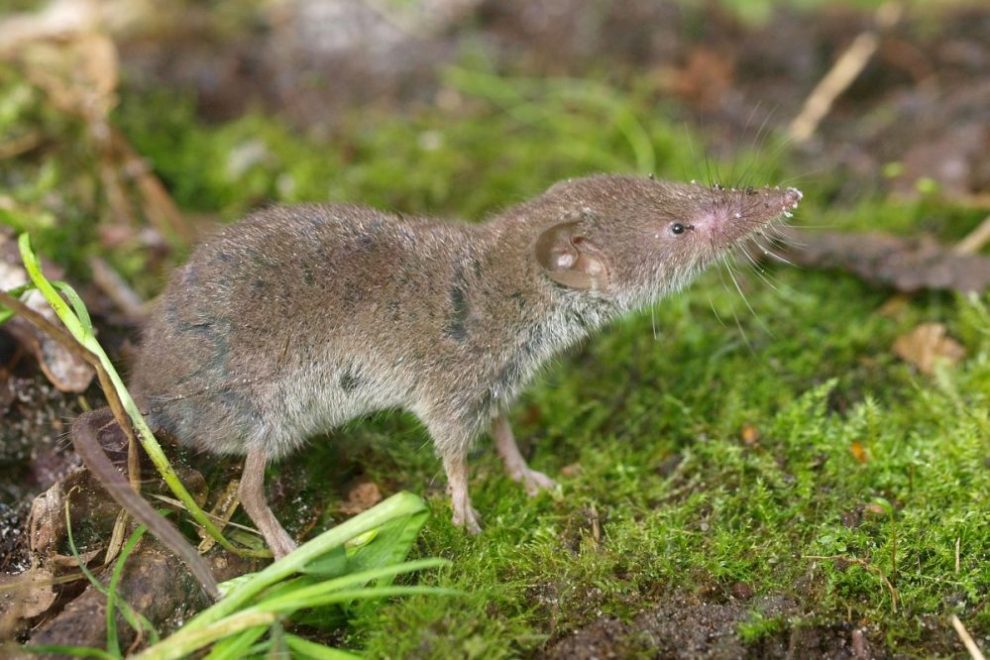

THE GREATER white-toothed shrew, a non-native species in Britain which was first reported in 2021 when it was found to be present in northern England, has now been deemed ‘too widespread for eradication’, since monitoring efforts have shown it to have already established large populations in a number of locations in Britain.
The Mammal Society is urgently calling for support from the public to help monitor the spread and impact of the greater white-toothed shrew in our landscapes. As well as reporting any sightings of this non-native shrew (alive or dead) using the free Mammal Mapper app or by emailing [email protected], volunteers can help collect and/or dissect owl pellets to gain insight into the small mammal populations in owls’ hunting ranges.
Graham Smith, a Lead Scientist at APHA, said: “Shrews are difficult animals to trap, and we would want to ensure our native species are not negatively affected by any control.
“They have very small home ranges due to their size, and thus any campaign to capture them would need to involve a very high density of live traps, checked very frequently, and native species released.
“The manpower and cost of this would be extremely high and the chances of success would be too low to justify starting an eradication campaign.”

As eradication is not thought to be possible, the UK government has now stopped taking action, however the monitoring of greater white-toothed shrews is still vital. By carefully tracking the spread of this shrew and assessing its impact on native species and ecosystems, scientists can collect vital data to predict and model the medium- and short-term impact of this change at the foundational level of British ecosystems. This analysis can predict challenges and inform conservation plans to protect and restore native species and damaged ecosystems.
Small mammals such as mice, voles and shrews play a vital role in maintaining healthy and balanced wild, agricultural and urban landscapes. They cycle nutrients and aerate soil, leading to improved soil quality, better drainage and the creation of suitable sites for seed germination. They spread seeds, fungal spores and pollen, and keep populations of insects in balance.
They are also vital prey species for predators such as birds of prey, foxes, pine martens and stoats. However, small mammals are under-monitored and often overlooked in land management and nature restoration strategies. It is vital that anything that threatens to fundamentally alter the abundance, species composition or behaviour of small mammals is carefully studied so that any negative impact can be mitigated.
Biosecurity is important to prevent unforeseen and irreversible damage to ecosystems through the introduction of potentially damaging non-native species like the greater white-toothed shrew. Further research and monitoring are thus needed to find out the actual distribution of the greater white-toothed shrew as well as its possible future impacts on Britain’s ecosystems.
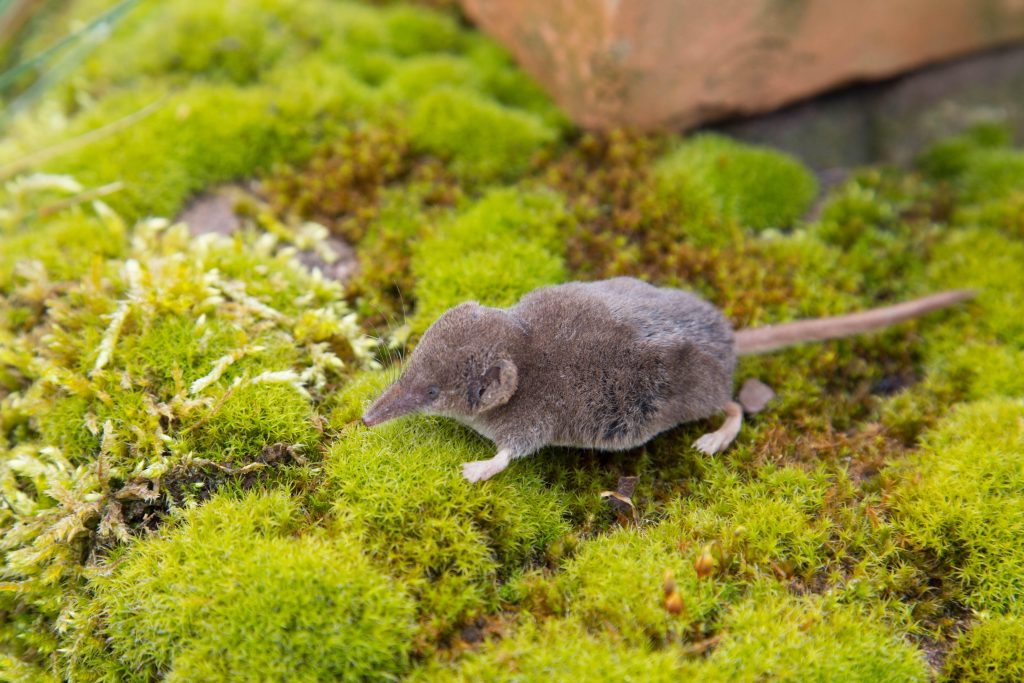
Typically found in mainland western Europe and islands such as Guernsey, the greater white-toothed shrew was first recorded in Ireland in 2007, where it has decimated populations of the native pygmy shrew.
A few years later, in 2021, the greater white-toothed shrew was identified in mainland Britain, when a cat caught one and brought it to its owner. In 2022, staff from the relevant government bodies, including DEFRA and APHA, as well as within the Mammal Society, began to look at monitoring the spread of the greater white-toothed shrew to assess its distribution and impact on Britain’s native shrew species – including the common shrew, water shrew, and pygmy shrew.
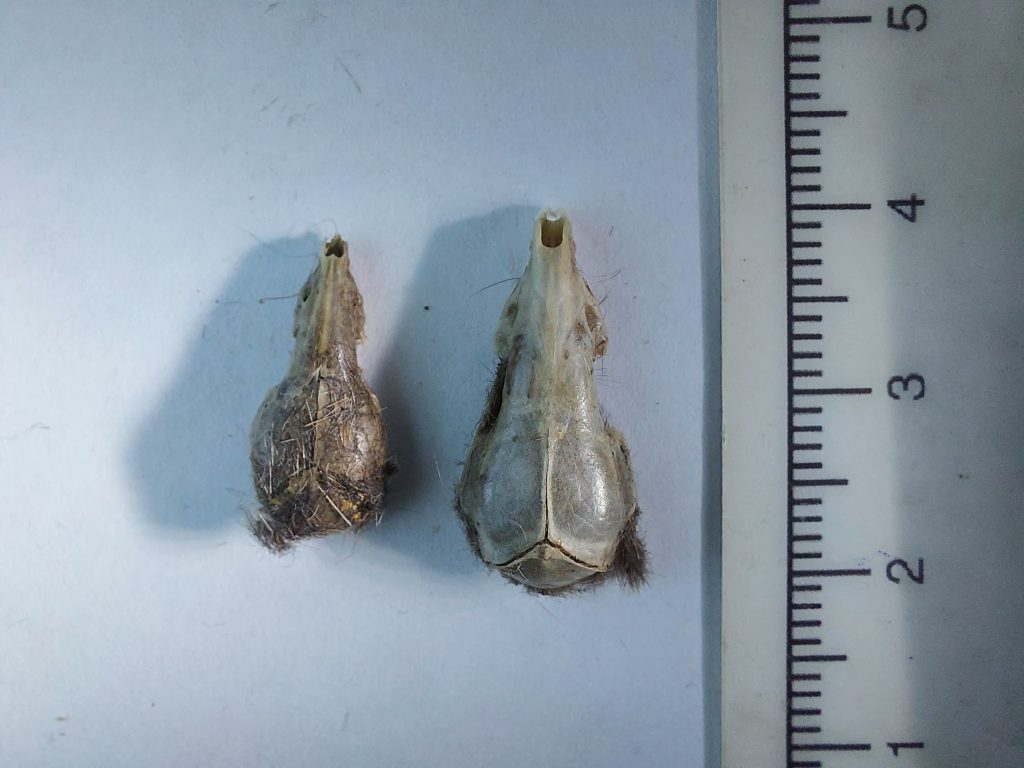
To monitor the greater white-toothed shrew’s spread, four approaches were taken: a live-trapping survey, a campaign by the Mammal Society to input public records into the Mammal Mapper app, a genetic analysis of greater white-toothed shrews collected from a few locations, and dissections of barn owl pellets done by Mammal Society volunteers. Barn owl pellets contain the skulls and bones of their small mammal prey, indicating which species are present in the hunting range of that owl.
In total, 595 small mammals were live-trapped, of which 16 were greater white-toothed shrews, and barn owl pellet analysis revealed 56 greater white-toothed shrew skulls in two areas. The shrews had been found to have spread into a 15km area in the north of England – around Sunderland – as well as into a second area in Nottinghamshire, though current research suggests that none of Britain’s native shrew species have been negatively impacted by the greater white-toothed shrew yet. Genetic analysis of the population also revealed that they originated from mainland Europe, rather than Ireland, which had previously seemed more likely.
When a non-native species is found to be present in the country, eradication is the surest way to avoid any far-reaching negative impact on native species and landscape health. The sooner this can be undertaken after a species is introduced, the better. When a breeding population of a species becomes established and starts to expand into new areas, it becomes increasingly difficult and costly to contain. A national effort to trap non-native American mink has been underway for several years and has been successful enough to give hope that the species threatened by mink (especially water voles) may recover.
However, the larger size and slower breeding cycle of mink make them relatively easy to control compared to smaller animals that breed quickly and reach large population densities. Volunteer efforts to control numbers of invasive grey squirrels have been the only thing preventing their expansion across all areas of Britain and driving native red squirrels to extinction. Greater white-toothed shrews are even harder to control due to their small size and abundance where they establish a population. Any measures that could successfully impact their population would be certain to affect other species in the same ecosystem.