

Mid-Wales proposal faces scrutiny as councils and campaigners clash over future of rural landscape
PLANS to create a new National Park in Wales have moved a step closer—but will now face a full public inquiry following objections from local authorities and statutory bodies.
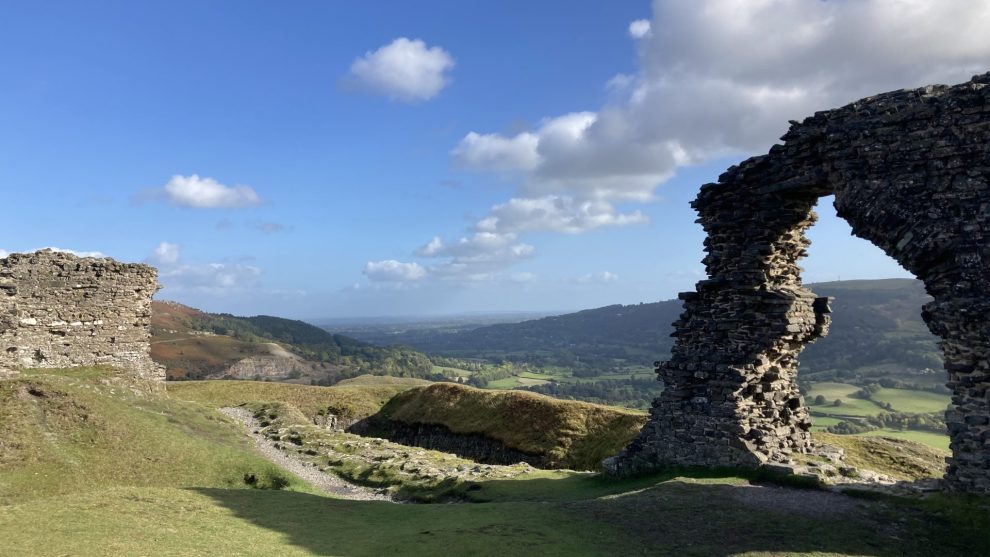
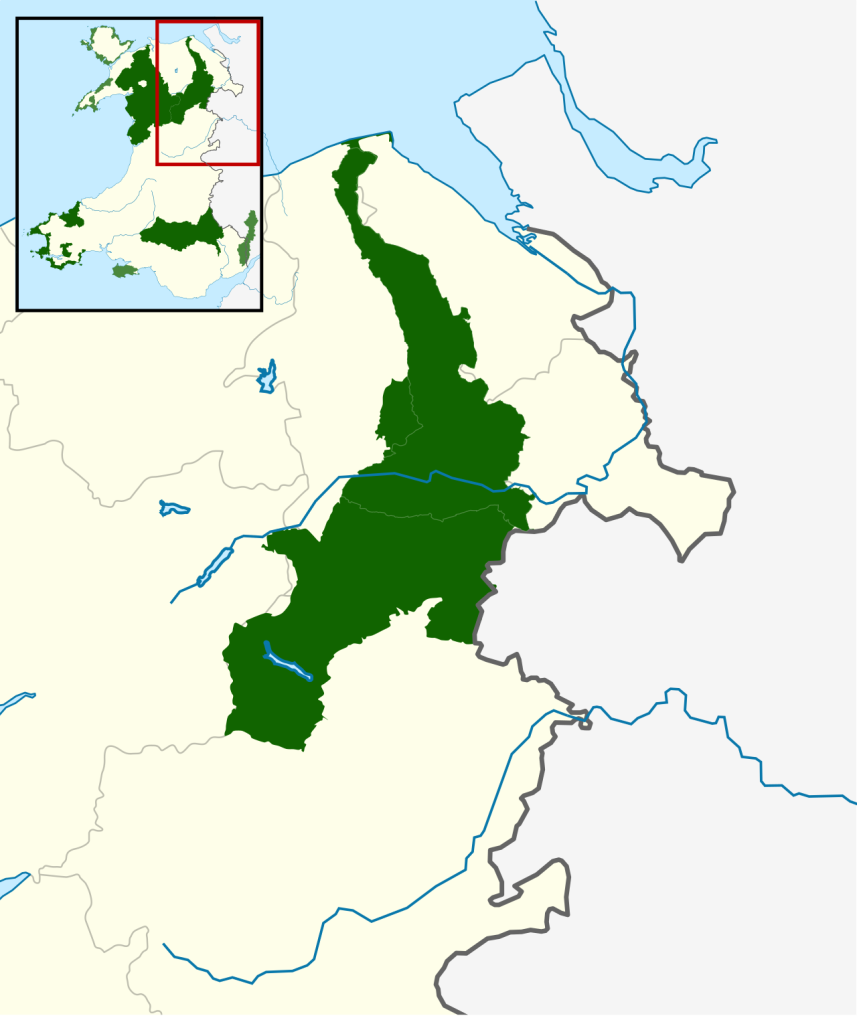
The proposed Glyndŵr National Park, named after Welsh prince Owain Glyndŵr, would cover a large area of mid-Wales and become the fourth National Park in the country.
The Welsh Government confirmed on Thursday (Mar 26) that an inquiry will be held after concerns were raised during the consultation process, despite Natural Resources Wales concluding earlier this year that the area met the criteria for designation.
If approved, the new park would join Eryri National Park, Bannau Brycheiniog National Park and Pembrokeshire Coast National Park as one of Wales’ protected landscapes.
Supporters say the move would provide the highest level of legal protection for the area’s natural beauty, wildlife and cultural heritage, while also boosting tourism and supporting rural economies.
However, the proposal has sparked concern among some councils, farmers and residents, who fear tighter planning controls could restrict development, affect farming practices and place additional pressure on housing in rural communities.
The Herald understands that objections from statutory consultees triggered the need for a public inquiry, a process commonly used in the designation of new National Parks.
Gareth Ludkin, Policy and Projects Manager at Campaign for National Parks, welcomed the decision, describing it as “an important next step” that would allow the case for designation to be fully examined.
He said: “A public inquiry will further clarify the desirability of a National Park in the area and provide more opportunity to demonstrate the benefits that National Parks can bring.
“It is essential that the next Welsh Government conducts this consultation in a thorough and timely manner to allow a final decision to be made.”
Campaigners have pointed to consultation findings suggesting that around two-thirds of respondents expressed at least conditional support for the proposal, although opposition from local authorities highlights ongoing divisions.
The inquiry will hear evidence from a range of stakeholders, including councils, landowners and environmental groups, before making a recommendation to Welsh ministers.
A final decision is expected following the conclusion of the inquiry, although the process could take many months.
The proposal represents one of the most significant potential changes to land use and environmental protection policy in Wales in recent years, and is likely to fuel ongoing debate over how best to balance conservation with the needs of rural communities.