

NATIONAL Rural Crime Action Week launches today (September 8) with the aim of seeing greater recognition and understanding of the problems and impact of crime in rural areas. The week-long campaign, organised by the National Rural Crime Network, is also a way of highlighting the work that the UK’s Police and Crime Commissioners and Police Forces undertake to tackle rural crime.
Combatting rural and wildlife crime is a vital part of Police and Crime Commissioner (PCC), Andy Dunbobbin’s Police and Crime Plan for the region. This Plan was published earlier this year and rural and wildlife crime falls under the overall priority of ensuring a local neighbourhood policing presence.
Over the three years of the Plan, PCC Dunbobbin has pledged to continue to work together with farming unions and key partners to ensure effective policing in our rural communities; to encourage the reporting of rural crime through promotion with partners; to support the ongoing vital work of the dedicated Rural Crime Team; and to create a rural crime forum.
Rural and wildlife crime can be very broadly classed as any crime and anti-social behaviour occurring in rural areas. There are four categories which North Wales Police uses to best describe rural crime: agriculture, equine, wildlife and heritage.
As part of Andy Dunbobbin’s commitment to North Wales rural communities and to fighting crime, 2025 has seen a number of initiatives to fight crime and support communities.

- Rural Crime Action Week will see the first ever public surgery dedicated to rural crime matters on 10 September, where members of the public can book to speak to the PCC about issues affecting them and their communities. This event has been organised online to enable residents across North Wales to take part wherever they might live and will be attended by officers from North Wales Police’s dedicated Rural Crime Team.
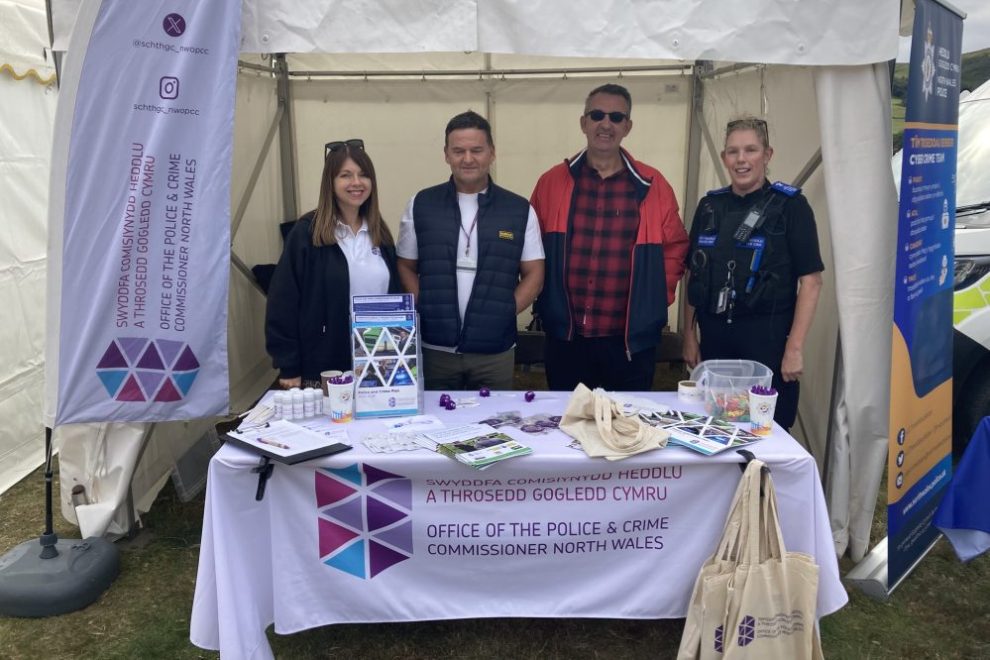
- Throughout August, the office of the PCC attended the Anglesey Show, Denbigh and Flint Show and Merioneth Show where they engaged with the farming community, FUW and NFU and listened to their thoughts and concerns. Across the three events, the office met over 3,000 members of the public and talked with them about policing in their communities, crime in rural areas and the PCC’s key priorities. The team was also joined on their stand by colleagues from the Victim Help Centre, North Wales Police’s Rural Crime and Cyber Crime teams, farming charity Tir Dewi and online safety charity Get Safe Online.
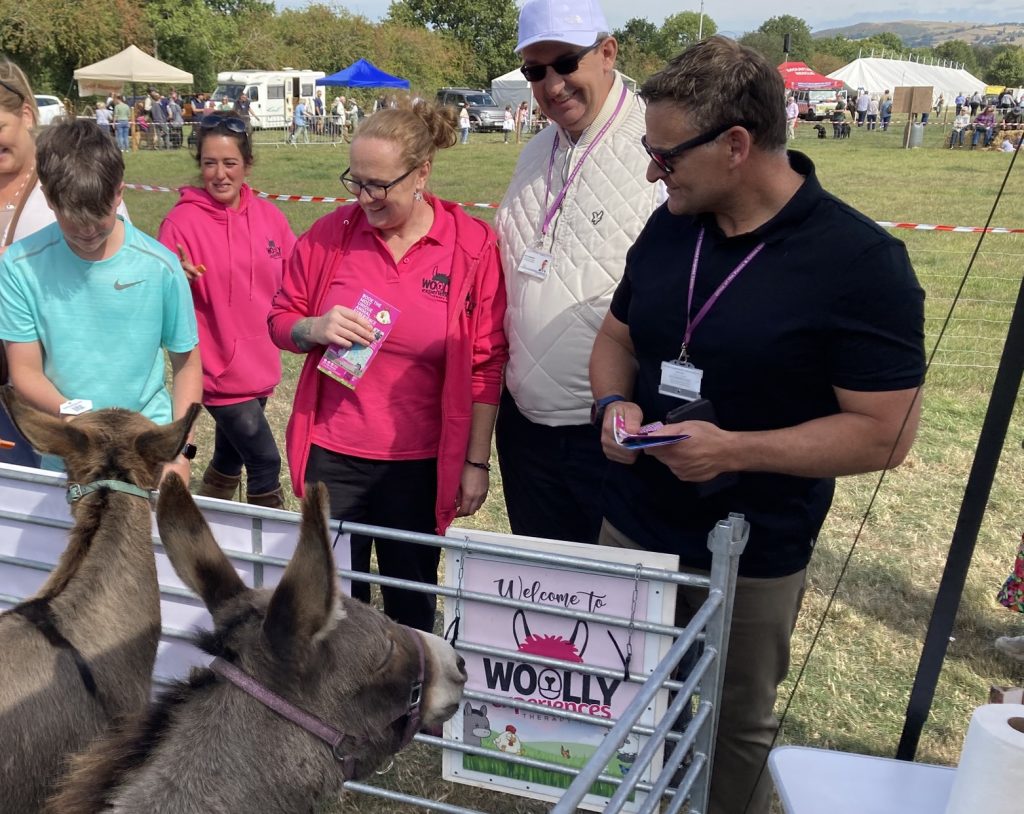
- In July, both PCC Andy Dunbobbin and Deputy PCC Wayne Jones attended the Royal Welsh Show in Builth Wells to engage with the farming community. Earlier in July, Wayne Jones also attended the Wales Wildlife & Rural Crime Conference in Cardiff for the launch of the Wales Rural Crime Strategy (2025-2028). This strategy seeks to enhance protection for rural communities and wildlife across Wales. It focuses on crime affecting the agricultural community such as theft, livestock attacks by dogs, arson and burglary and outlines priority areas for rural police officers.
- North Wales Police has also continued the roll-out of the We Don’t Buy Crime campaign with the support of the PCC. This campaign is a cornerstone of the plan to fight crime in rural areas and officers are encouraging farmers to make much greater use of SmartWater DNA marking to protect farm equipment. Applied and registered with a national register, SmartWater allows stolen equipment and machinery to be linked to the owner.
North Wales Police and Crime Commissioner Andy Dunbobbin commented: “National Rural Crime Action week is an opportunity to shine a light on crime in rural areas, to encourage reporting and to highlight the excellent work undertaken by North Wales Police and their Rural Crime Team to combat this type of crime.
“Key to a lot of our work to cut rural crime is working with communities to understand their concerns and respond to what they tell us. The more police, farming unions, the agricultural community, and rural residents work together to stop rural and wildlife crime, the more effective we will be, and the sooner we can help put an end to these types of offences.
“I am deeply committed to our rural communities across North Wales. They are vital for our economy, for our wellbeing, and for our future as a safe, secure and sustainable region.”