
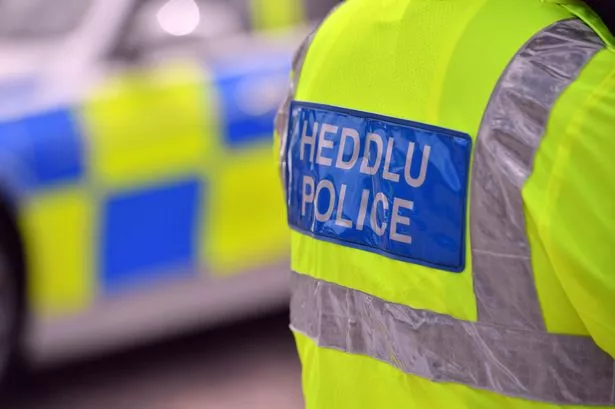

Marshall Motor Group data places North Wales Police area in top 10 safest force regions for road collisions
ROADS covered by North Wales Police are among the safest in the UK, according to new Freedom of Information (FOI) analysis published by Marshall Motor Group.
The research shows that North Wales Police recorded just 2,510 road collisions between 2022 and September 2025, placing the force area among the 10 police regions with the lowest number of reported collisions in the country.
The figures, compiled through FOI requests to police forces across the UK, form part of a wider national study into road safety and collision trends. Only forces that responded within statutory timeframes and provided full datasets were included in the analysis.
Low collision levels in North Wales
Data released for North Wales Police shows a consistent year-on-year decline in recorded road traffic collisions:

2022 – 804 collisions
2023 – 775
2024 – 540
2025 (to 10 October) – 391
The analysis also identified the road with the highest number of collisions within the force area each year. In every year studied, the A548 recorded the highest number of incidents:
2022 – A548 – 42 collisions
2023 – A548 – 37
2024 – A548 – 30
2025 (to September) – A548 – 19
The findings place North Wales Police alongside forces such as the City of London, Cleveland and Bedfordshire as some of the safest areas in the UK for drivers.
National picture remains concerning
The wider UK data paints a more troubling national picture. Marshall Motor Group’s research shows that 218,817 road collisions were recorded across the UK between 2022 and October 2025.
Annual totals show little overall improvement:
2022 – 59,593 collisions
2023 – 57,702
2024 – 57,998
2025 (to 10 October) – 43,524
Ben Welham, motoring expert at Marshall Motor Group, said the figures highlight the scale of the challenge facing road safety across the UK.
He said: “These figures show just how persistent the collision problem is across the UK. With more than 57,000 incidents a year, we aren’t seeing the meaningful improvement we need. Understanding where and why these crashes happen is essential if we want safer roads.”
Most dangerous roads
The analysis also identified the UK’s most dangerous roads for drivers between January 2022 and October 2025, with major motorways dominating the list.
The top 10 most dangerous roads were:
M4 – 1,496 collisions
M6 – 896
A1 – 693
A52 – 311
A49 – 183
M1 – 143
A16 – 111
A43 – 85
A46 – 84
A19 – 81
Welham said: “While it might be expected due to their popularity, to see over 2,000 collisions happening on the M4 and M6 in less than four years is still worrying.
“These incidents on two of the UK’s busiest motorways are likely to be caused by a combination of high-speed traffic, frequent merging lanes, heavy goods vehicles and driver fatigue during long journeys.”
Safest police force areas
The research also ranked police force areas with the fewest recorded collisions between January 2022 and October 2025:
City of London Police – 990
Cleveland Police – 2,160
North Wales Police – 2,510
Bedfordshire Police – 2,806
Cambridgeshire Constabulary – 3,437
South Wales Police – 3,557
Warwickshire Police – 3,692
Norfolk and Suffolk Constabulary – 4,099
Hertfordshire Constabulary – 4,224
Wiltshire Police – 4,670
Welham added: “Forces like Cleveland and North Wales have lower traffic density and fewer major motorway networks passing through their areas, which is reflected in their collision figures.”
Road safety advice
Welham said understanding collision patterns could help drivers stay safer on high-risk routes.
“Traffic flow and road layout are big factors in collision risk. On motorways, drivers are travelling at higher speeds and changing lanes often, which increases the chances of collisions.
“Merging lanes can also create dangerous situations when drivers misjudge speeds or fail to check blind spots properly.
“Drivers should plan breaks on long journeys, avoid tailgating, maintain safe following distances and take extra care at merging points, particularly in poor weather or low visibility.”
The full FOI analysis was produced by Marshall Motor Group and is available via the company’s website, with the research forming part of a wider national conversation on road safety across Britain.