
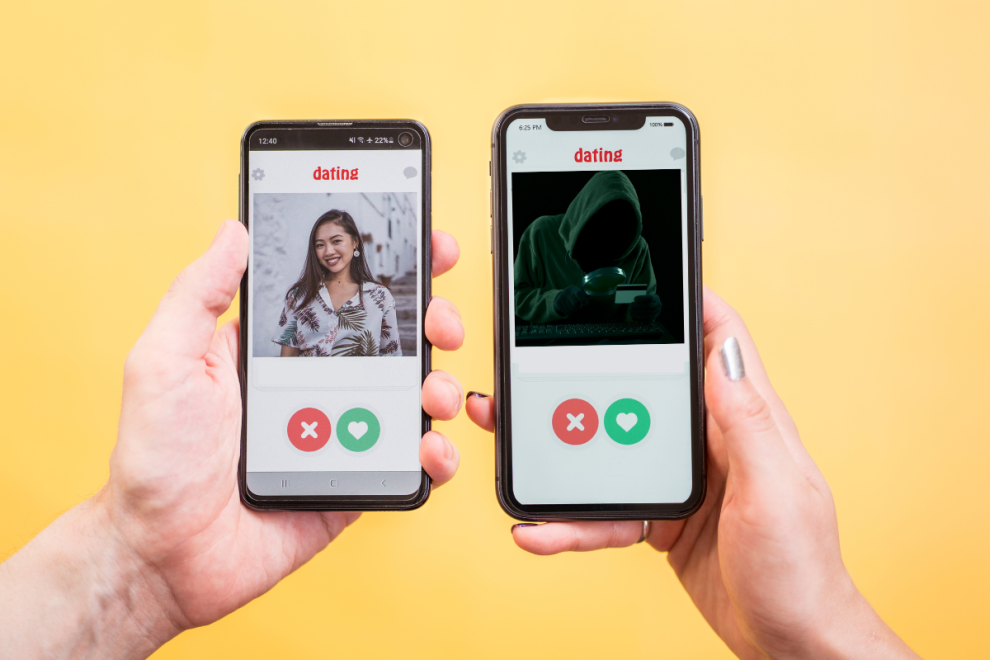

ACCORDING to recent research, more than one in four people say that they, or someone they know, have been approached by an AI chatbot posing as a real person on a dating app or social media. Obviously, however, AI chatbots aren’t interested in falling in love with you. What’s actually happening is that the scammers using them want to trick you out of your money or into revealing confidential information.
That’s why Get Safe Online has teamed up with the Office of North Wales Police and Crime Commissioner (PCC) Andy Dunbobbin and North Wales Police this month in the lead up to St. Valentine’s Day to launch a ‘Safe Online Dating’ campaign to help people enjoy a safe, secure and confident romance. Get Safe Online is a service commissioned by the Office of the PCC and the local Police Force to share helpful information and advice with the people of North Wales.
Tony Neate, CEO, Get Safe Online commented: “The latest generation of AI tools can hold very convincing conversations with you, not only as webchats, but as voice and video calls, using their expertise in ultra-realistic deepfake technology.
“It’s virtually impossible to tell them from a real person, especially as you haven’t met or spoken in person before. What’s really important is that if you are considering dating online you read Get Safe Online’s expert advice beforehand.”
PCC Andy Dunbobbin said: “Online dating has grown in popularity at an enormous rate in recent years and for many it’s a great way of meeting new people and developing new relationships.

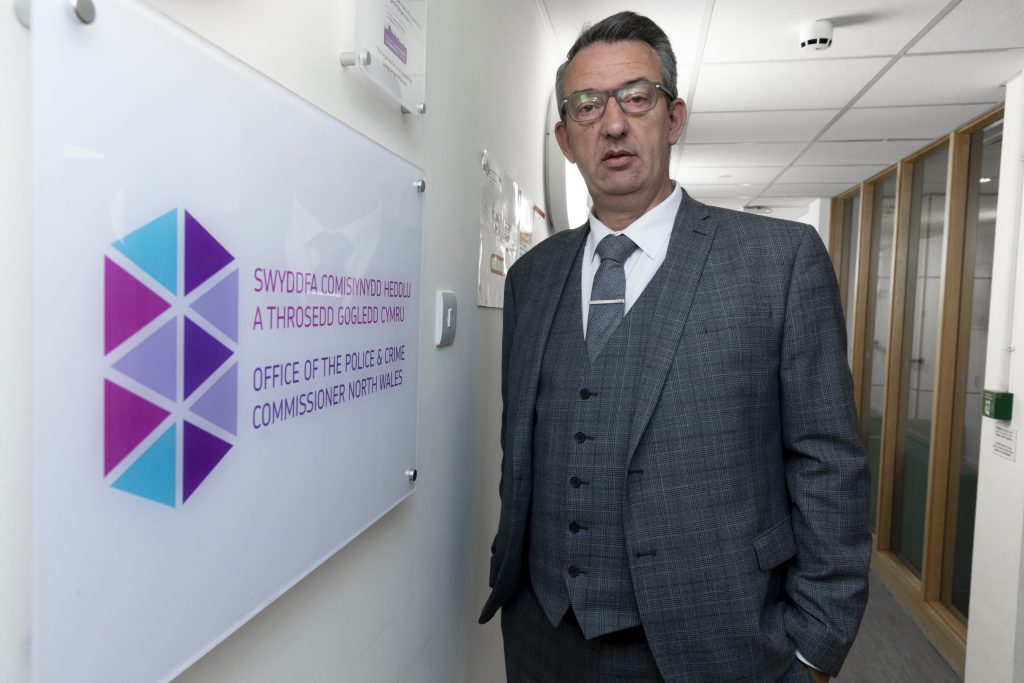
“But as well as the genuine romance seekers on these sites, there are also romance fraudsters who are heartlessly looking for their next victim. The rise of AI has made the threat from fraud increasingly sophisticated.
“Preventing cyber fraud is a key priority for me as PCC and that’s why it is so important to me to make people aware of the dangers, and to warn them to be on their guard against criminals who take advantage of vulnerable members of our community.
“I would urge everyone to follow the advice, stay safe online this Valentine’s Day, and ensure the person you are speaking to is actually who they say they are.”
DC Rachel Roberts, Financial Abuse Safeguarding Officer, North Wales Police said: “It is worth noting that fraudsters are not only using online dating sites and apps to connect with their next victim.
“North Wales Police have seen a significant increase in victims who are targeted after connecting with fake celebrity profiles or joining celebrity fan pages on Facebook, TikTok and Instagram.
“AI is certainly playing a huge part in making these profiles very convincing. Victims are led to believe they are in direct contact with well-known public figures and are offered friendship and later, a romantic relationship.
“Victims are then asked to provide money to the suspect for a variety of reasons, whilst being told to keep the relationship secret to avoid the paparazzi finding out.
“Romance fraud causes deep emotional distress as well as serious financial harm, leaving victims feeling betrayed, isolated and ashamed. Criminals exploit trust and vulnerabilities, with long lasting impacts on mental wellbeing and confidence, not just bank balances.
“If you are concerned that you, or someone you know, has been the victim of romance fraud it is important to report the matter to Report Fraud, the new national reporting centre for fraud, so that the correct advice and support can be given to help victims successfully recover.”
Get Safe Online’s top tips for safe online dating include:
- Choose a reputable dating site or app. Read reviews and better still, get recommendations from friends and family.
- Stay on the platform’s messaging service, however much your date asks you to communicate outside it. Do this until you’re confident your date is who they say they are, and that you completely trust them.
- Use strong and unique passwords and other login details on dating sites and apps to minimise the chance of your account being hacked.
- Check out the person, not the profile. Think and act rationally, don’t be afraid to ask questions and don’t rush into anything.
- Search matches by name, profile pictures or any repeatedly used phrases and the term ‘dating scam’, ‘romance scam’ or ‘catfish’. Type ‘Search with an image on Google’ into your search engine to check if the profile photo is genuine or has been stolen.
- If your new match seems too keen or is rushing you, it may indicate that they have other motives.
- If somebody you’ve met online asks you to send money, bank details or passwords, don’t do it, however convincing or heartbreaking the reason they give. You could be compromising your or their safety.
- Steer clear of sending intimate images or videos of yourself to someone you’ve met online. Sextortion and revenge porn are becoming more commonplace, and both can lead to substantial trauma for the victim.
- If anybody tells you not to mention them to your friends and family, they may be trying to isolate or coercively control you. Think seriously about ending the conversation and blocking them.
- If you’re meeting up in person for the first time, your safety is paramount. Tell a friend or family member where and when you’re going.
- Don’t reveal personal details such as full name, date of birth, home address or names, details and locations of family.
For further tips and advice visit the Get Safe Online website.