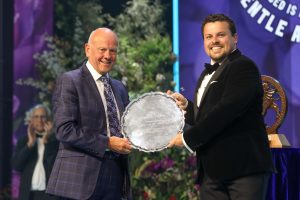

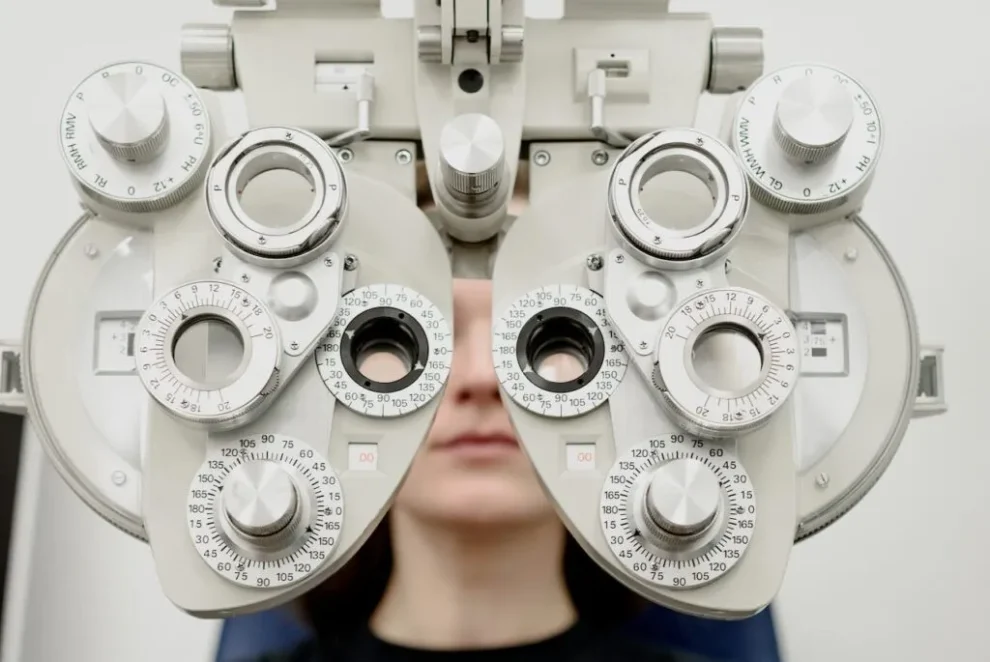

SAM ROWLANDS, Member of the Welsh Parliament for North Wales, has welcomed news that urgent eye care services are now available at some local opticians.
Betsi Cadwaladr University Health Board has been working closely with local optometry practices to expand the range of care available in the community which means more patients can now be assessed and treated by their local optometrist, without needing to visit hospital eye departments for many common conditions.
As part of this improvement, a growing number of optometrists across North Wales are now qualified in Independent Prescribing (IP), enabling them to diagnose, manage and treat a variety of urgent eye problems. These include issues such as conjunctivitis, dry eye, foreign body removal, post-cataract complications and corneal abrasions.
Mr Rowlands, who has previously called for the health board to work more closely with third parties organisations said:
“I am really pleased to hear about this collaboration as I have often raised my concerns in the Senedd about the amount of time my constituents are waiting for treatment, causing unnecessary distress and potentially long term harm to their eyes.

“I have previously visited Specsavers in Broughton and I was impressed to see the facilities and equipment they have on site and it was great to learn more about how Welsh opticians, which offer NHS eye services, provide support to patients with urgent eye care problems.
“I definitely think working with the private sector like this is a step in the right direction as it all helps to bring down ophthalmology waiting lists within the Welsh NHS.”
Since launching earlier this year, the new urgent eye care service in primary care has already supported more than 2,000 patients, helping to reduce pressure on hospital services, GPs, pharmacies and emergency departments.
Kelly Gibson, Optometric Advisor for the Health Board, said: “Over the past year we’ve been focused on building a sustainable workforce within primary care by supporting and upskilling optometrists.
“Independent Prescribing has shown how optometrists can safely manage patients in the community and reduce demand on hospital services.
“Our long-term goal is to have even more optometrists with this qualification, so that patients can access timely, high-quality care closer to home. These new services make it easier for people to get the right care, in the right place, at the right time.”
As services expand, patients may be invited to attend local optometry practices for screening and monitoring appointments for conditions such as glaucoma, diabetic eye disease, macular degeneration, or eye checks linked to certain medications.
Manon Haf, Chair of the North Wales Regional Optometric Committee, added: “We’re really proud of the progress being made and the growing role of primary care optometry in delivering frontline eye care.
“These developments directly benefit our communities and reflect a strong partnership between local optometrists and the Health Board.”