


PLANNED cuts to school transport in Caerphilly will not be revisited before the measure is due to come into force.
The county borough council has proposed removing free transport for hundreds of children who live within two miles of their secondary schools along nine routes now considered “safe”.
The money-saving measure is due to kick in at the start of the next school year.
Plaid Cymru councillor Teresa Parry had attempted to secure a last-minute reprieve for the affected children by tabling an urgent motion calling for the cuts to be paused and the routes reviewed.
But the council said its constitution means six months have to elapse before its decisions can be reconsidered – and the earliest possible meeting to discuss that motion will be in late September.

National minimum guidelines mean councils have to provide free transport for pupils who live more than three miles from their secondary schools.
Caerphilly Council argues its own policy – with a two-mile minimum – is more generous, and the nine routes affected by the proposed cuts are safe for children to walk.
But critics, including hundreds of signatories to petitions against the cuts, say children will be expected to navigate long and busy roads in all weathers and during dark winter months.
Cllr Charlotte Bishop, who leads the Plaid opposition group in the council chamber, said parents and communities had raised “legitimate concerns about the safety of these routes”.
“Yet instead of allowing a debate before children return to school the administration has used procedural barriers to delay consideration of the issue until after the new term begins,” she said.
“That, frankly, is totally unacceptable to me, fellow Plaid Cymru councillors, and parents.”
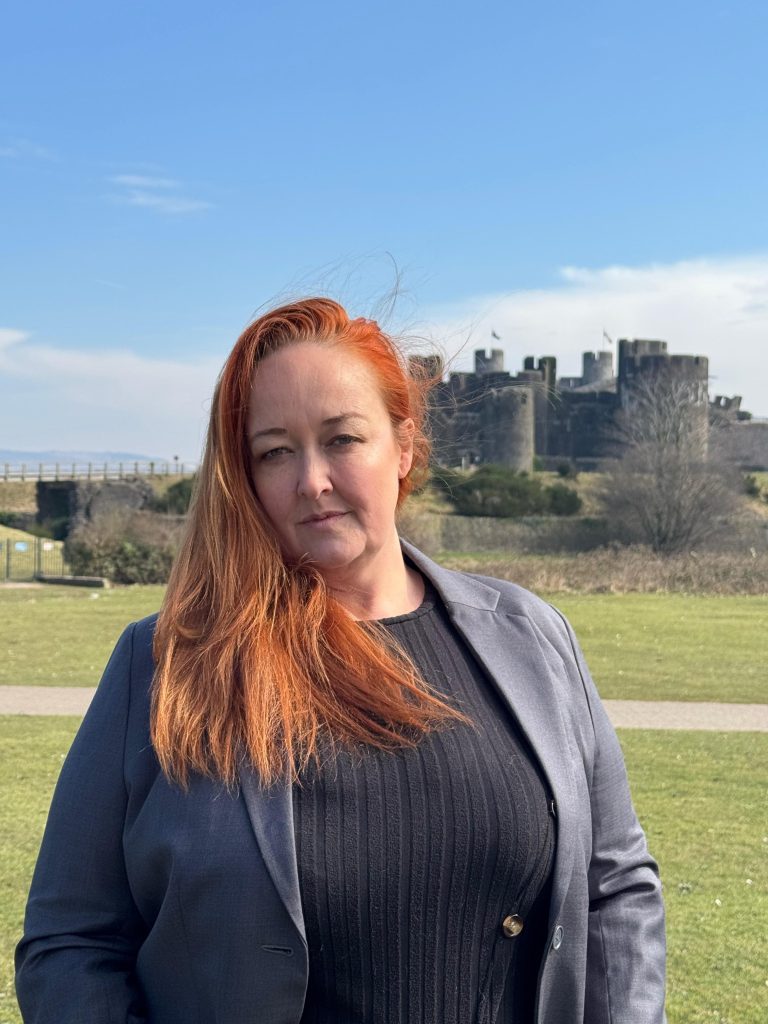
A Caerphilly Council spokesperson said the local authority had not denied Cllr Parry’s notice of motion, which she had asked be fast-tracked through the usual procedure.
“The Council’s constitution requires a minimum period of six months to have elapsed before the full council revisits a decision it has taken,” the spokesperson said. “As the budget decision was made at the end of February, it is not possible to revisit it before the end of August.
“Should Cllr Parry still wish to bring the motion forward it would be possible to do so at a scrutiny committee in July and then – should support be gained – for it to be considered by the full council in the autumn.”
The school transport cuts were included in this year’s budget proposals, but the full details of their extent were only set out in March.

Cllr Bishop said the local authority’s leader, Labour’s Cllr Jamie Pritchard, “spoke about cooperation and collaboration” at a recent full council meeting.
“However, cooperation and collaboration cannot simply mean everyone agreeing with the Labour administration,” she said. “It should mean allowing alternative views to be heard and debated, particularly on issues as important as children’s safety and access to education.”
In response, Cllr Pritchard said: “With the greatest of respect to Plaid, there is more than a tinge of hypocrisy here. Caerphilly has the most generous home to school transport provision in the whole of Wales.
“Wherever Plaid Cymru controls a council, they apply the basic statutory minimum provision, meaning children could walk up to six miles a day if they live in a Plaid council area.
“Why are Plaid happy to apply the basic minimum and criticise us for offering much more?”
Cllr Pritchard said he had written to the new Welsh Government “to seek further funding” but added the party’s council group “has to ask their own government for better”.
“They can not keep asking people in Caerphilly to pay for what their own government should be providing,” he said.

Cllr Bishop said the national guidance on minimum walking distances “was introduced in 2008” and “does not prevent councils from exercising discretion where circumstances warrant it”.
“Roads, traffic levels and community needs have changed significantly since then,” she said. “Children’s safety cannot be forced into an ill-fitting box because of financial pressures or a rigid interpretation of outdated procedures and policies.
“The question is not simply whether the council can withdraw transport, but whether it should.”