


ISIS-inspired attack in Sydney highlights global surge in antisemitic violence and raises fears within Jewish communities in Wales
AN ISIS-INSPIRED terrorist attack at Bondi Beach in Sydney has left 15 civilians dead, including a 10-year-old girl, sending shockwaves through Jewish communities across the world — including here in Wales.
The attack occurred at Archer Park during the “Chanukah by the Sea” event on December 14, 2025 (the first night of Hanukkah), where hundreds — around 1,000 people — had gathered for celebrations. According to Australian police and media reports, two gunmen, Sajid Akram and his son, Naveed Akram, opened fire on the crowd.
Fifteen civilians were killed — including 11 men, three women and a young child. Sajid Akram was shot dead by police at the scene, while his son was taken to a nearby hospital with injuries. (Total deaths are sometimes listed as 16, including the perpetrator.)
Police also confirmed that a makeshift explosive device, described in reports as a failed “tennis ball bomb”, was thrown onto the beach but did not detonate.
The atrocity — the deadliest antisemitic attack in Australia’s history — has reignited fears of rising antisemitism worldwide. It comes amid a documented global surge in antisemitic incidents in 2025, with international monitoring groups reporting more than 800 severe attacks worldwide this year alone.

The Attack: What Happened
The Bondi atrocity unfolded during a public religious celebration, transforming what should have been a family event into a scene of mass murder. Among the victims was reportedly a Holocaust survivor, further deepening the symbolic and historical trauma associated with the attack, according to international media coverage.
The incident has forced renewed debate about Jewish safety, public space, and the growing normalisation of hatred in everyday political and cultural discourse.
‘It wasn’t a shock — antisemitism hasn’t gone away’
Speaking to the Pembrokeshire Herald, Professor Nathan Abrams, Professor of Film at Bangor University, reflected on how the news was received within Jewish communities in Wales.
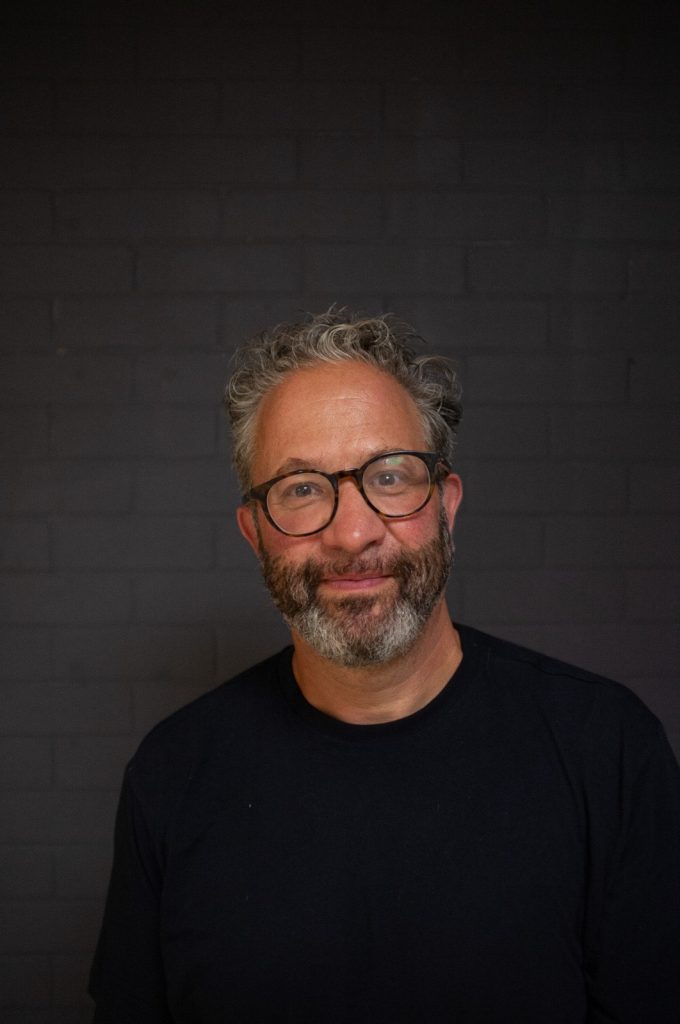
“I was in the USA when I heard the news,” he said. “I thought it was horrible, but it wasn’t a shock. Antisemitism hasn’t gone away. It’s not surprising that this has happened.”
Abrams emphasised that the emotional response within the community was immediate and raw.
“Upset, horror, disgust,” he said. “People are trying to link it to what’s happening in Israel, but the people who were shot on that beach had nothing to do with Israel. It doesn’t matter what we believe in or how we identify — we always get lumped together.”
The long shadow of history
Professor Abrams explained why such attacks resonate so deeply with Jewish communities worldwide.
“Most of us grew up in the shadow of the Holocaust. If our families hadn’t left, we wouldn’t be here,” he said. “This can and will happen again. History is never over. We get lulled into a false sense of security.”
He added: “It’s not a repeat — it’s a continuation. The Holocaust was the worst stretch in a continued history of antisemitism. That might not happen again in the same way, but that doesn’t mean antisemitism isn’t carrying on.”
A pattern, not an isolated incident
Asked whether there is a danger of such attacks being seen as isolated incidents, Professor Abrams was clear.
“Jewish people recognise there’s a pattern,” he said. “We’re held to a different standard. You don’t hear about boycotts of Russian shops or academics. Jewish people are expected to declare their political viewpoints. Being ‘anti-Zionist’ shouldn’t mean I’m required to have a position just to exist safely.”
‘Ambient antisemitism’ in everyday life
Professor Abrams described what he called the rise of “ambient antisemitism” in everyday culture.
“The last two years of being Jewish have been some of the most difficult,” he said. “You go to see a comedian, they make a joke about Gaza, and you sit there worried about where the jokes are going to go. You worry that if they think that way, they’re going to lump you in too.”
He added that a notable shift in recent decades has seen hostility emerging more from progressive spaces, while stressing that antisemitism exists across the political spectrum.
Responsibility of leaders and media
Professor Abrams said political leaders, institutions and the media have a responsibility to protect communities and shape understanding responsibly.
“They’ve got a responsibility to keep everyone safe,” he said. “The obsessive focus on Israel and Palestine creates an atmosphere of being unsafe for Jewish communities here. All Jews get lumped together unless we explicitly separate ourselves — and we shouldn’t have to.”
He added that condemnations from political leaders, interfaith vigils and community solidarity events in both Australia and the UK had offered some reassurance — but warned they must be matched by long-term action.
Support — but fear of the next attack
While individual acts of kindness have followed the attack, Professor Abrams expressed concern that little will change structurally.
“On an individual level, lots of people have been supportive,” he said. “But on a general level, nothing will be done until the next attack. The elements that perpetrate these attacks aren’t going anywhere.”
Referring to past extremist attacks, he added: “There’s a banality to it — the normalisation of hatred — and that’s why it keeps happening. I don’t think wider society always sees this as a crime because it’s sometimes seen as justifiable.”
‘Think about your language’
His message to people in Wales was simple but direct.
“Everyone has to consider their own language and behaviour,” he said. “Just because someone is Jewish doesn’t mean you lump them in with anything else. Well-meaning protests can create an atmosphere that endangers our lives. People don’t think about the ramifications.”
Beyond symbolic solidarity
Professor Abrams criticised what he described as performative activism.
“Stop engaging in social media stunts to show how caring you are,” he said. “If you’re progressive, you’re pro-diversity — that means seeing the wider community, not just one issue. On an individual level, people are kind. But the loudest voices do the most damage.”
‘Human relationships still matter’
Despite everything, he said hope still exists at a human level.
“Where I live, people are supportive. Human relations still matter — people reaching out to people.”
He ended with a stark but forward-looking warning:
“Stop explaining it away. Antisemitism is antisemitism. It must be confronted directly — through education, language awareness, and genuine solidarity. Don’t explain it away.”