
A rogue wave in quiet waters
ON a grey July morning in 2013, a small team of reporters gathered a makeshift office Milford Haven’s Hamilton Terrace. The air smelled of ink, takeaway coffee, and fresh ambition. Outside, the docks shimmered with summer drizzle; tankers groaned in the estuary, a reminder that Pembrokeshire’s fortunes were often tethered to industries bigger than itself.
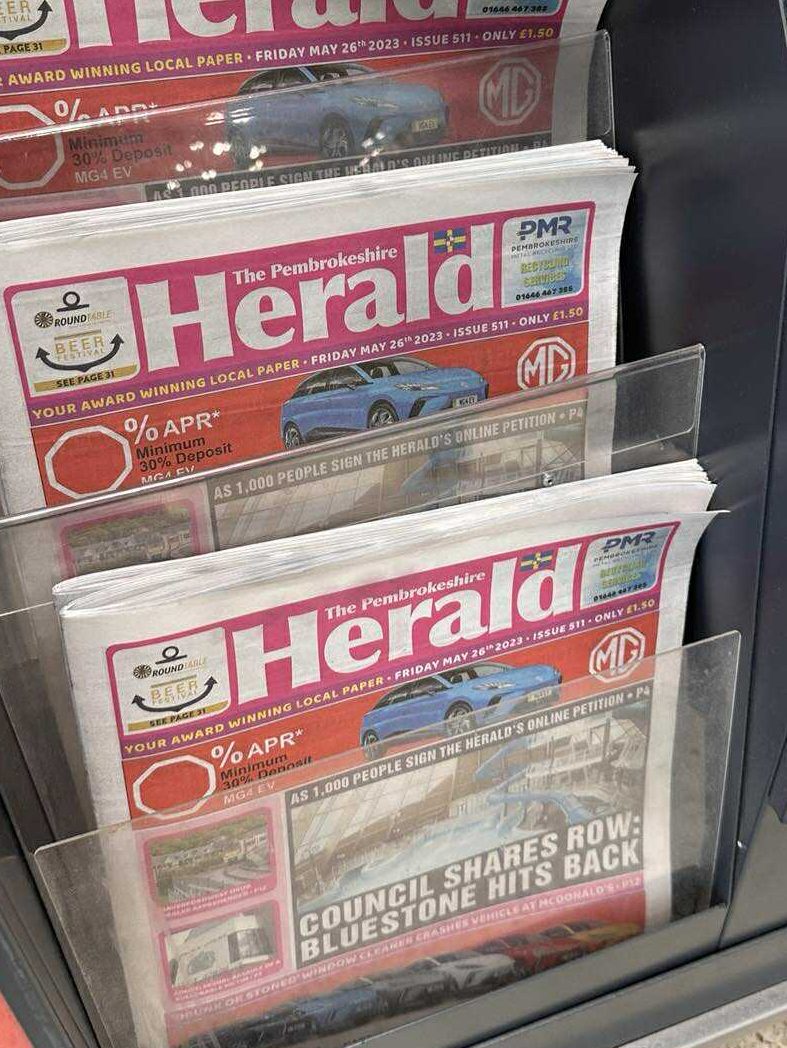
Inside, though, another tide was turning. That morning, the first edition of The Pembrokeshire Herald rolled off the presses and onto newsstands across the county.
It was a gamble few thought wise. Regional journalism across the UK was collapsing. Newsrooms were closing at a rate of one a week. Advertising revenues had dried up, circulation was plummeting, and Wales was hit especially hard. Even the venerable Western Telegraph, with its 150-year pedigree and corporate backing, looked nervous.
And yet, the Herald sold out. Locals queued at corner shops and petrol stations to grab a copy. For £1, readers were promised something rare: a paper that would be theirs—unafraid, unfiltered, and unpolished.
Twelve years on, as the Herald breaks digital records with more than 14 million views in a single month, its story is one of survival, reinvention, and disruption. From council scandals to choir fundraisers, it has not only chronicled Pembrokeshire—it has changed how the county sees itself.

The rebel launch
The Herald’s beginnings were almost cinematic.
“Everyone thought we were mad,” recalls founding editor Thomas Sinclair, still at the helm today. “Papers were dying all around us, and here we were launching another one. But we believed Pembrokeshire deserved something better—something that didn’t just recycle press releases.”
The first issue carried stories that cut against the grain: a scathing piece on county hall overspending, a photo-led feature on lifeboat volunteers, and letters from readers who felt ignored by the established media.
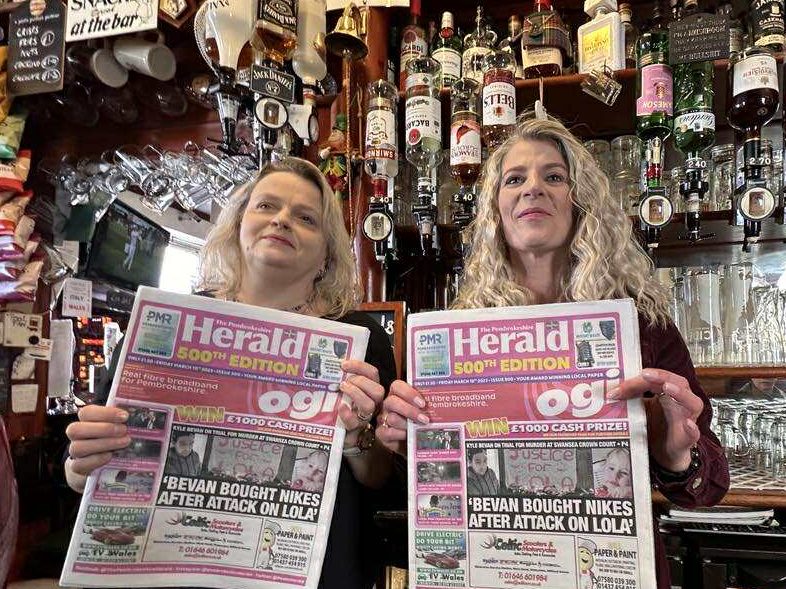
The ethos was simple: be the people’s paper. If a farmer in Crymych was angry about planning rules, or a pub landlord in Tenby had a gripe about business rates, they would find their voices printed alongside reports of Senedd debates and crime in Haverfordwest.
Within weeks, the Herald was shifting around 10,000 copies a week. For a county of just over 120,000 people, that was remarkable. Its early success rattled the Western Telegraph, which had long enjoyed unchallenged dominance.
By 2014, emboldened by sales, the Herald launched sister titles in Carmarthenshire and Ceredigion, signalling it wasn’t content with being a local irritant—it wanted to redefine journalism across West Wales.
Grit, growth, and grudges
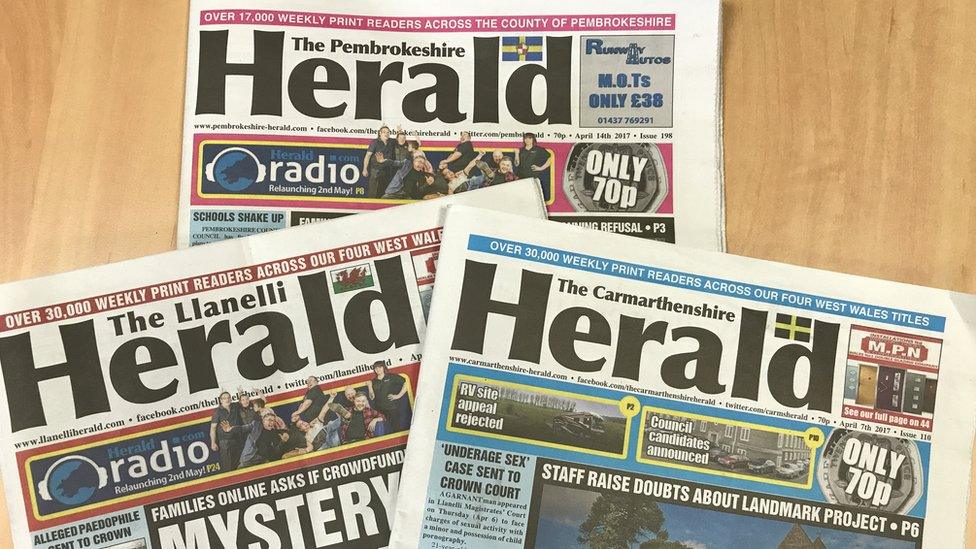
The mid-2010s were the Herald’s golden years. Circulation climbed, digital traffic surged, and the paper became a lightning rod for controversy.
One of the fiercest battles came in 2016, when the Herald’s bold marketing—claiming it had overtaken the Western Telegraph in reach—provoked a furious response. The Telegraph’s parent company complained to the Advertising Standards Authority (ASA), demanding the Herald prove its numbers.

Twice the ASA dismissed the complaints. “It was classic David versus Goliath,” Sinclair remembers. “They couldn’t stand that we were growing.”
The feud only raised the Herald’s profile. It doubled down on innovation: live-streaming council meetings, experimenting with podcasts, and even testing a radio station. Readers flocked to its coverage of issues like youth unemployment, mental health crises, and planning rows that reverberated from village halls to the Senedd floor.
But controversy was never far away.
- In 2013, an obscene advert accidentally slipped into print, sparking outrage—and free publicity.
- In 2017, Sinclair himself was fined for breaching reporting restrictions in a sensitive case. Critics crowed, but supporters saw it as proof of a paper pushing boundaries.
“The Herald was messy, sometimes chaotic,” says one former reporter. “But it was alive in a way local journalism hadn’t been in years.”
The abyss
In October 2019, the wave almost broke.
The Herald’s parent company collapsed under the weight of spiralling print costs and a botched investment, shuttering three titles and threatening 24 jobs.
“It was devastating,” Sinclair admits. “We’d built something people believed in, and suddenly it was gone.”
Forums filled with laments. One commenter wrote: “Without the Herald, who’s going to ask the awkward questions?”
For Pembrokeshire—where 26% of residents are over 65 and rural isolation makes local news more than a luxury—the loss felt existential.
Salvation came unexpectedly. A Spanish print and media firm, Richographic España, swooped in with emergency funding. The Herald returned, leaner and chastened, but alive.
The scare revealed a hard truth: independent journalism is fragile. Without it, who holds local power to account?
The digital dawn
The near-death experience forced reinvention.
By 2023, with print costs unsustainable, the Herald made a radical move: it scrapped print altogether, pivoting to a free weekly 128-page digital edition.
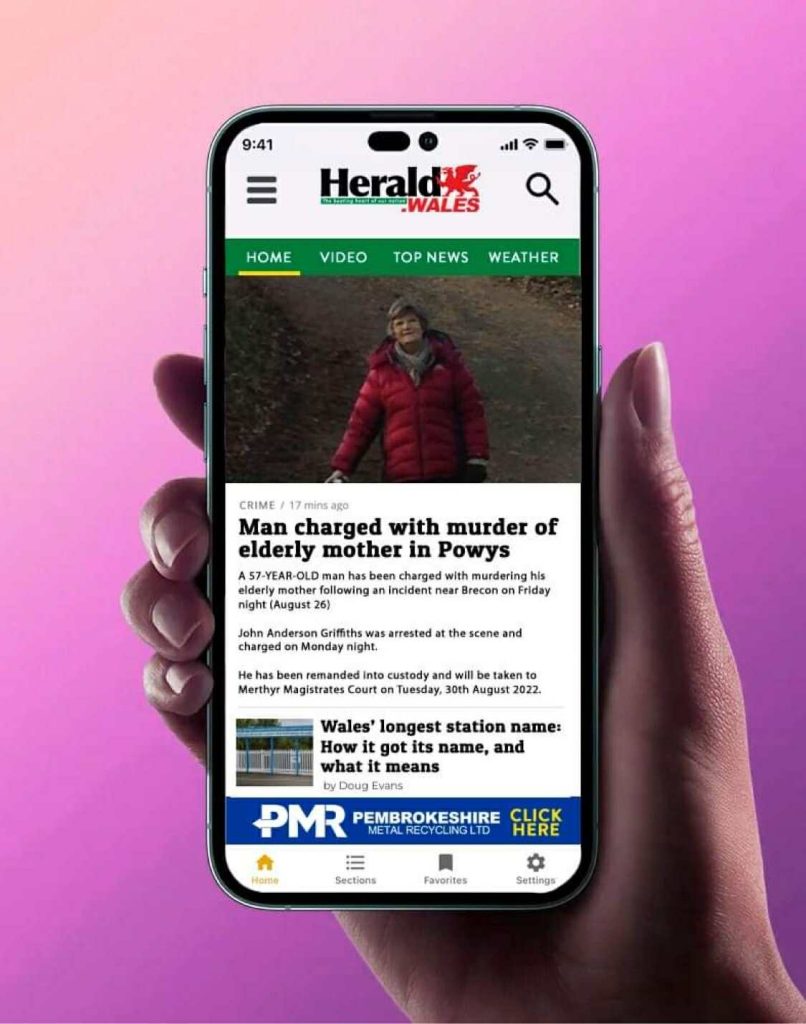
The gamble paid off. The first e-edition was downloaded more than 100,000 times. With clickable ads, instant shares, and no paywalls, it reached corners of the county that had never picked up a paper copy.
Traffic exploded. Facebook followers climbed past 51,000 (overtaking the Western Telegraph’s 47,000), monthly web uniques hit half a million, and social engagement dwarfed that of rivals.
The Herald’s new strength was speed. While the Telegraph often waited to polish features, the Herald broke stories first:
- Avian flu detected near Roch.
- Military flyovers during Russian naval manoeuvres off the coast.
- RAAC concrete crises threatening local schools.
On X (formerly Twitter), users hailed it as the go-to for “what’s actually happening.”
Rivalry rekindled
For more than a century, the Western Telegraph had been unchallenged. But the Herald’s swagger forced it to adapt.
That 2016 ASA spat was only the tip of the iceberg. The real battle was for hearts and eyeballs.
The Herald won them with raw immediacy. Viral stories of goats invading a churchyard or choirs raising money for cancer care travelled faster than any polished Telegraph feature.
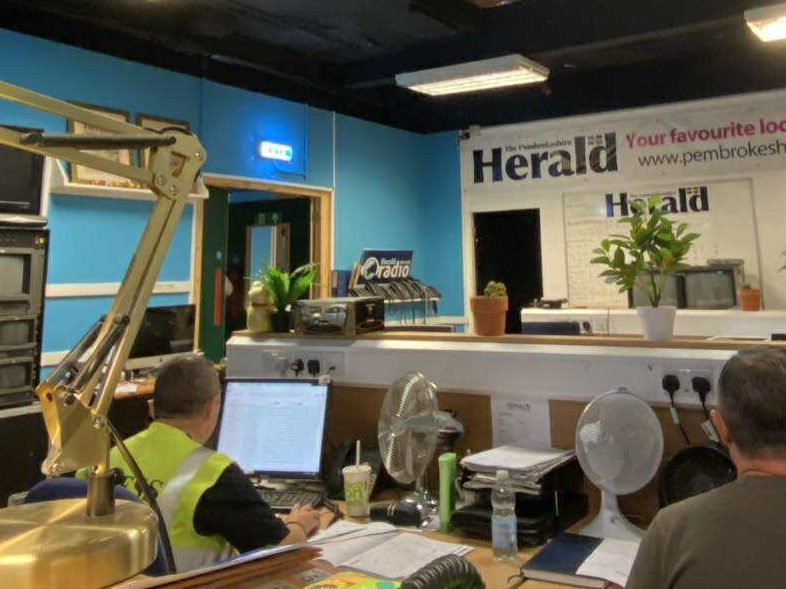
Locals noticed. “The Herald feels like us—raw and real,” tweeted one user after coverage of council budget cuts.
Competition sharpened the entire ecosystem. With two strong voices jostling, Pembrokeshire readers got more scrutiny, more coverage, and more choice.
The Herald effect — building pride
If the Herald earned its reputation by ruffling feathers, it cemented its value by lifting spirits. Alongside exposes and political spats, the paper has consistently championed Pembrokeshire’s brighter side.
When the Ty Newydd pub in Dinas Cross faced closure in 2023, Herald coverage helped galvanise more than 200 locals into raising the cash to save it. “Inspiring local journalism at its best,” one X user wrote as the victory went viral.
Schools, too, have felt the Herald’s boost. Milford Haven School’s Gold Calon Y Gymuned award for family engagement in July 2023 was splashed across its pages, with headteacher Sara Davies crediting the coverage for “putting community success on the map.” A year later, the Herald’s GCSE features turned dry exam stats into proud family moments, with parents flooding its comments section to thank it for spotlighting their children.
The paper’s business coverage often becomes a loop of positivity. In 2024, when hardware stalwarts W.B. Griffiths & Son scooped a £2,000 Pembs Lottery prize, they pledged it to local projects — citing the Herald’s years of community coverage as a key motivator. “It keeps us connected,” the owners said.
And when Pembrokeshire County Council secured the insport Gold Standard for inclusive sport, Disability Sport Wales hailed it as a “remarkable milestone” — and locals praised the Herald for making it front-page news.
These moments reveal something the numbers alone can’t: that the Herald is more than a scrappy watchdog. It’s also a mirror of community pride, amplifying joy as fiercely as it scrutinises power.
The global lens
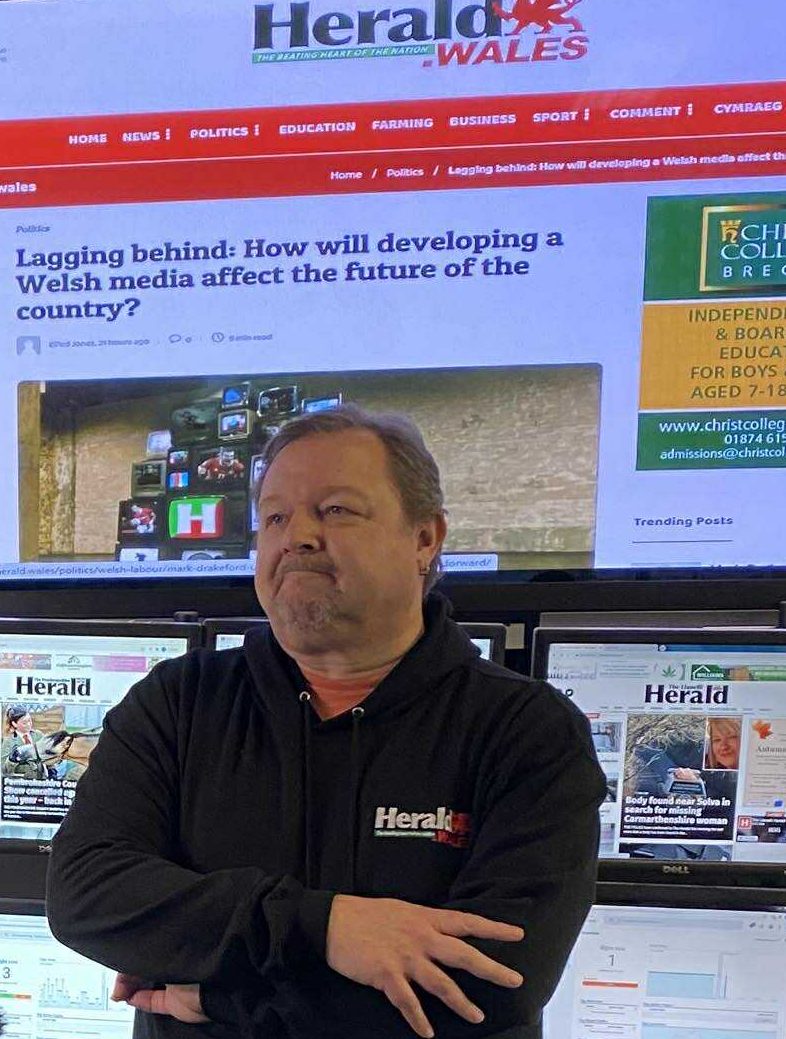
Perhaps the most surprising twist in the Herald’s evolution has come since its digital relaunch: the paper is no longer just Pembrokeshire’s chronicler. Increasingly, it is a bridge between the local and the global.
Take the Jaguar Land Rover cyber-attack in September 2025. The story was everywhere—production halted at JLR’s UK plants, suppliers fearing collapse, the UK government stepping in with a £1.5 billion loan. National headlines framed it as a crisis for British industry.
The Herald’s version? A piece titled “JLR cyber-attack sparks fears for Welsh supply chain”. Within hours of the news breaking, Sinclair had tied the story to ZF Automotive in Pontypool, a Welsh supplier employing dozens and recently backed by Welsh Government cash. The message was clear: what happens in Solihull or Delhi could hit Wales next.
A few days earlier, the Herald had run multiple articles on the Charlie Kirk shooting in the US. Where national media focused on America’s gun politics, the Herald made it resonate in Wales: local MSs Samuel Kurtz and Darren Millar linked the killing to free speech debates in Welsh universities, even pushing for a Senedd tribute.
This is the new Herald playbook: start global, end local.
- Bank closures in Haverfordwest become part of Chinese state media coverage on UK economic decline.
- Ukraine aid debates turn into stories about how sanctions hit Welsh farmers.
- US tariffs get framed through Pembrokeshire exporters.
It’s not dilution. It’s amplification. In an era when readers can access global news with a swipe, the Herald’s edge is showing why it matters here—in Fishguard, in Tenby, in Milford Haven.
Echoes in the community
Beyond clicks and rivalries, the Herald’s impact is measured in voices amplified and lives touched.
It campaigned against the digital divide for Welsh speakers.
It investigated care home standards and planning controversies that spurred petitions.
It exposed scams targeting pensioners, warning thousands before more damage was done.
In a county where business survival rates are half the Welsh average, its coverage of grants, investments, and community projects kept people informed about lifelines.
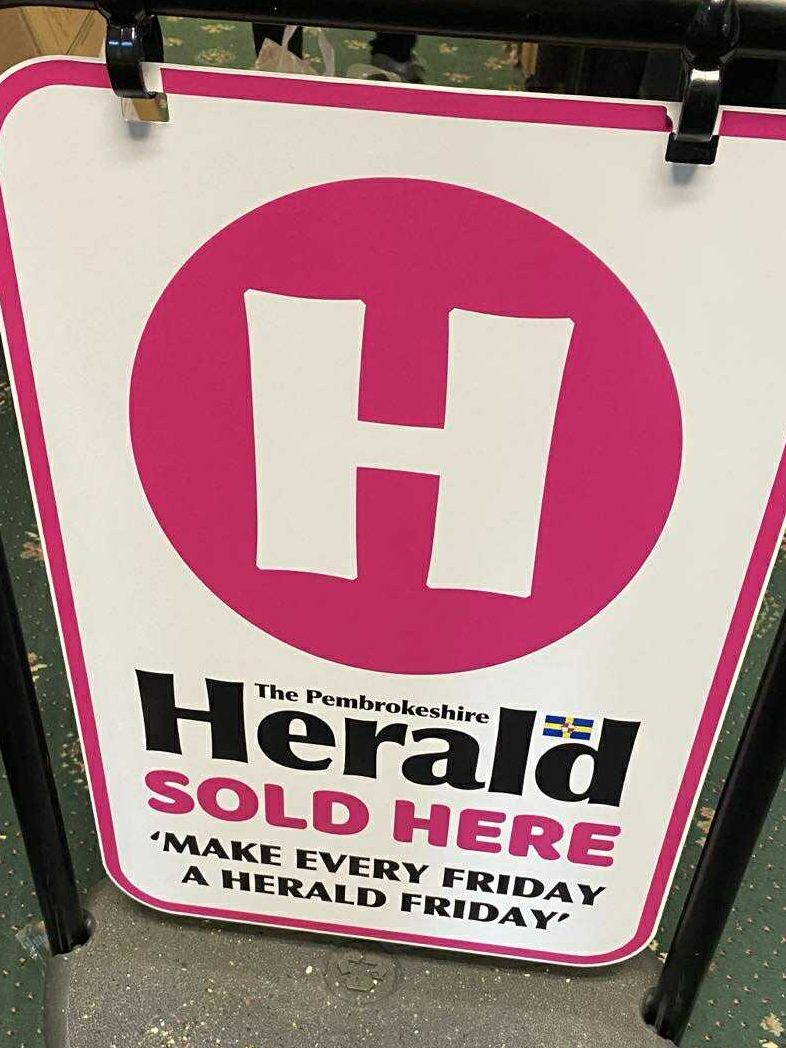
“Without the Herald, I’d never have known about the funding that helped me save my shop,” says a Tenby café owner.
And when Pembrokeshire’s small producers — from vineyards to leatherworkers — took their products to Westminster, the Herald was there to capture it. MP Henry Tufnell later remarked that its stories “drive innovation and prosperity,” showing the paper’s role in amplifying the rural economy.
Even social media tells the tale. The Pembrokeshire Vikings rugby team thanked the Herald for sponsoring a player’s birthday celebration. The Welsh Organic Tannery posted “Diolch” for Herald photos of their Christmas Fair success. And PR agencies regularly highlight Herald stories as proof of local buzz. In an age of fleeting feeds, those simple thank-yous show a deeper truth: the community sees the Herald not just as a newspaper, but as a neighbour.
Lessons and the road ahead
Twelve years on, the Herald stands as proof that local news can adapt. From its scrappy print launch to its free digital empire, it has shown survival is possible—even in the harshest climate.
But the questions remain:
- Can the free model sustain itself long-term?
- Will more partnerships with the BBC or AI-driven alerts keep it ahead?
- Could its blueprint be copied in other rural counties starved of news?
For now, Sinclair is reflective but resolute. “We’ve shown local news isn’t dying—it’s adapting. From print rebels to digital warriors, we’ve kept Pembrokeshire’s pulse beating.”
The Irish Sea still pounds Pembrokeshire’s cliffs. Sheep still outnumber people. But thanks to one rogue wave of a newspaper, the county’s stories are louder, sharper, and freer than ever.