
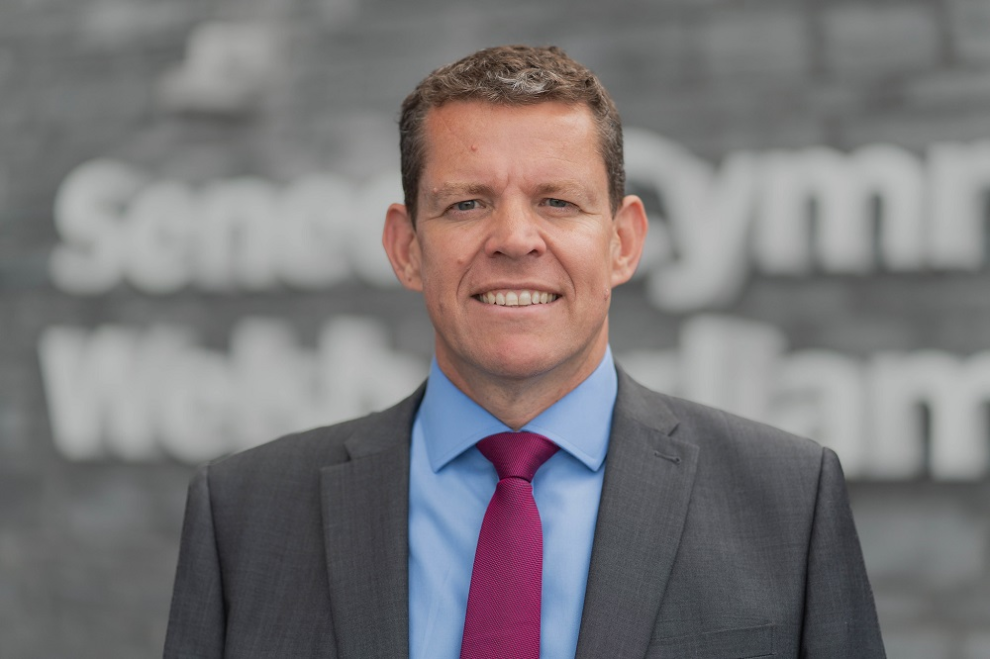

RHUN AP LORWETH has been accused by Welsh Labour of admitting that parts of Plaid Cymru’s net-zero strategy are “unrealistic” and face significant cost pressures.
Speaking on BBC Radio Wales on Thursday 19 January, the Plaid Cymru leader acknowledged there were “expense issues” associated with undergrounding electricity cables, a flashpoint in Wales’ green energy debate. Undergrounding, which involves burying cables rather than installing overhead pylons, has widespread support among rural communities but comes with far higher costs.
During the interview, ap Iorwerth described elements of the transition as “unrealistic,” appearing to concede the scale of financial and practical challenges involved in delivering rapid decarbonisation alongside major grid upgrades.
Welsh Labour quickly seized on the remarks. In a statement, a party spokesperson said: “There we have it, Plaid Cymru’s leader admitting their net-zero plans are unrealistic and their plans for green energy infrastructure will have ‘expense issues’.”
The spokesperson went further, highlighting the lack of clarity on funding: “Just like the rest of their policies where Plaid Cymru can’t say how they’d fill the funding gap, higher taxes or cuts. Can Rhun ap Iorwerth tell us which it will be?”

Plaid Cymru has long argued that Wales should accelerate renewable energy development and retain greater control over its energy resources. The party supports undergrounding where possible, arguing that the long-term economic and environmental benefits outweigh the upfront costs.
The clash underscores growing tension over the cost of delivering net zero in Wales, and who ultimately bears the expense. With the Senedd elections later this year, the debate reflects broader positioning: Plaid presenting itself as the party of ambitious green transformation, while Labour challenges the financial credibility of those plans.
As the conversation continues, the issue of funding, practical feasibility, and community impact is likely to remain central to Welsh politics, particularly as renewable energy projects and grid upgrades accelerate across the country.