


A ROLLOUT of home batteries and Time-of-Use tariffs in Swansea East could cut energy bills by up to £2 million a year for local people living in fuel poverty, new data reveals.
The figures are released as part of The Home Age, a campaign from E.ON Next which reveals the combination of batteries and ToU tariffs can cut energy bills by £255 a year for the average household, and by up to £600 for homes using more energy for medical needs.
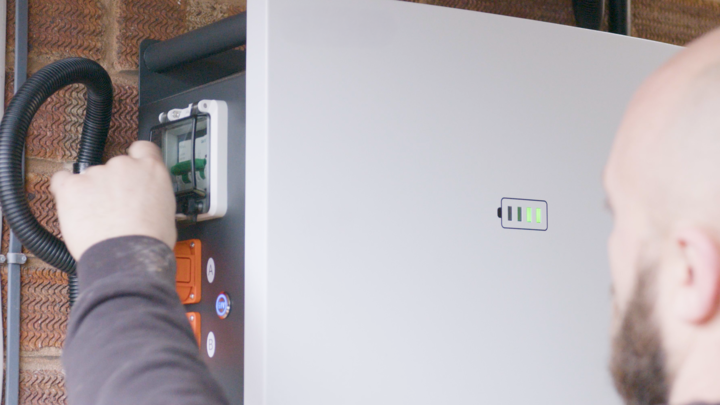
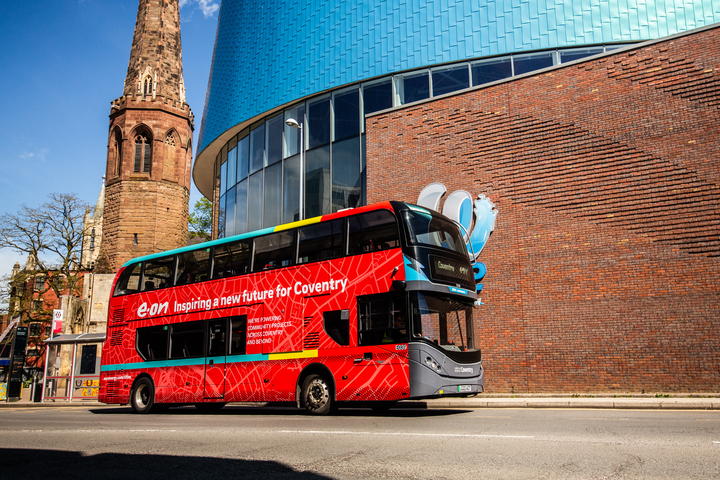
The results come from E.ON Next’s first-of-a-kind battery pilot in partnership with Coventry City Council, where eligible residents received a comprehensive package of support designed to help cut energy bills and usage.
This tailored approach meant support was adapted to each household: some received solar panels, insulation, or energy-efficient appliances, but all participants received a battery and were placed on a ToU tariff to encourage energy use when demand on the grid is lower.
On the back of these figures, E.ON Next has issued a call for £600m of energy sector investment to support the installation of batteries in 250,000 homes nationwide, where residents are in fuel poverty.

As part of the campaign, E.ON has written to politicians up and down the country, including Torsten Bell, MP for Swansea West, about how batteries and ToU tariffs can help to cut the cost of energy, particularly for those in fuel poverty.
Support for these measures across the British public is high. An E.ON Next poll of 2,000+ consumers revealed that more than nine in 10 (93%) UK adults want to improve their home energy efficiency and over four in five (83%) think the government should do more to upgrade the energy efficiency of homes.
Ramona Vlasiu, Chief Operating Officer for E.ON Next, commented: “The cost of energy in the UK is too high and as winter approaches, people living in Swansea West, especially the most vulnerable, will be anxious about their bills in the months to come.
“Financial support packages such as the Winter Fuel Payment have a role to play in tackling the issue, but we believe the way to solve it long-term is to put people at the heart of the energy transition.
“That means upgrading their homes with new technology, such as batteries, and putting them in control of the energy they use.
“Doing so will not only lower energy bills in the short term, but also create a national energy system with a long-lasting positive impact by reducing fuel poverty, creating jobs and boosting the economy.”
Prioritising investment into home energy solutions would signal a shift to the government’s flagship GB Energy initiative, which is backed by £8.3bn of public funds. To date, £2.5bn has been committed to new nuclear power, and over £1bn to strengthen clean energy supply chains. However, E.ON Next believes a more immediate impact on lowering bills and achieving clean power could be realised by unlocking energy flexibility in homes.
Chris Norbury, CEO of E.ON UK, said: “Our national investment in energy infrastructure will, of course, progress decarbonisation and have a positive impact on energy security. Yet the impact of renewable power generation will not happen straight away.
“In parallel, we must therefore unlock flexibility at a household level and treat it as a core national asset. Flexibility helps people to take control of their energy use, lower their bills, and reduce pressure on the network.
“By putting batteries in homes across places like Swansea West, we can empower people and take a meaningful step toward a more resilient energy system. Together, we can usher in The Home Age.”
To find out more about The Home Age, visit E.ON’s website.