

SIR KEIR STARMER has finally announced that the UK will recognise a Palestinian state – but only in September, and only if Israel fails to meet a list of conditions that, frankly, the current Netanyahu government is never going to accept.
It is a dramatic shift in British foreign policy. But it’s also a case of better late than never. For years, Labour has argued that recognition should come when it has “maximum impact” – yet when the death toll in Gaza soared, when aid agencies began describing the situation as “man‑made starvation,” when MPs across the political spectrum called for urgent action, Downing Street clung to caution.
Now, just days after French President Emmanuel Macron declared that France will recognise Palestine at the UN General Assembly in September, Starmer has found his moment. It’s hard to escape the suspicion that Macron’s decisiveness jolted the UK into action – the question is whether this is genuine conviction or a scramble not to be left behind.
Bowing to pressure at home and abroad
Starmer is under huge pressure. More than half of his own MPs have signed a letter demanding recognition now, without conditions. The Liberal Democrats are urging immediate action, not a delayed timetable tied to impossible demands on Israel. Grassroots Labour members have been restless for months.
In the wider world, Britain is looking increasingly out of step with allies who have already moved. Spain, Ireland, Norway – and now France – have taken the plunge. Even non‑European countries like Mexico, Jamaica and Barbados have acted. Starmer’s delay risks making the UK look timid and reactive.

Fear of Trump’s wrath?
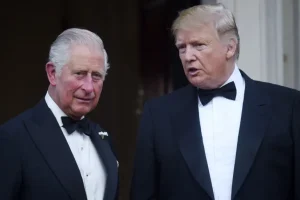
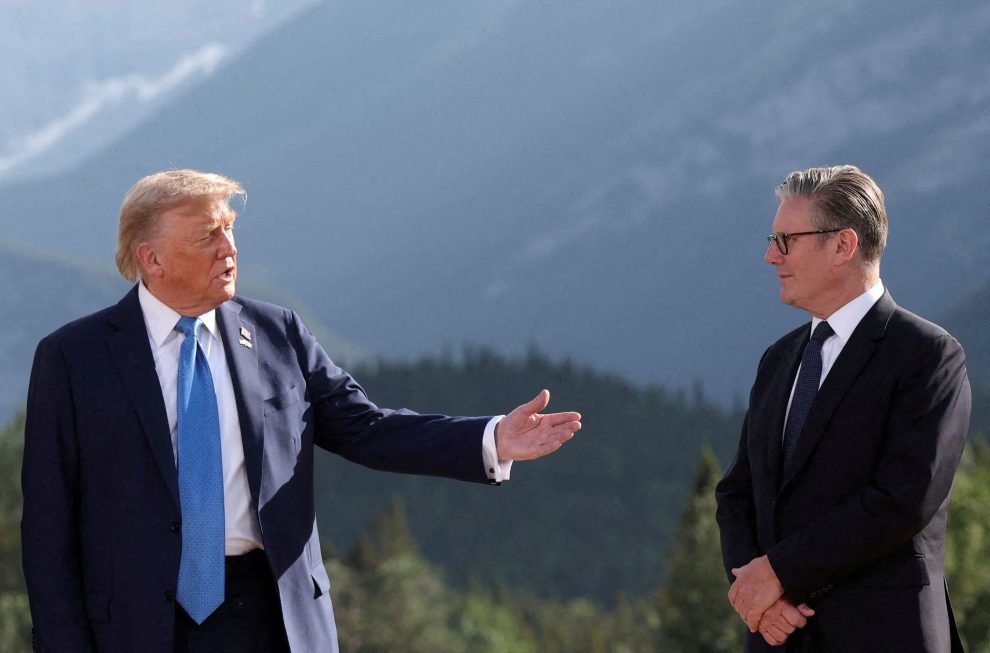
Then there’s Washington. Starmer’s meeting with Donald Trump earlier this week was notable for what wasn’t said – the two apparently “never discussed” recognition. Trump has since publicly warned that recognising Palestine now “rewards Hamas”. Did Starmer deliberately hold back to avoid provoking him? Or is this careful choreography designed to show the White House that Britain is still “responsible” and won’t act without warning?
Either way, it smacks of excessive deference. If recognition is a matter of principle – as Labour says – then it shouldn’t hinge on how it plays in Washington.
The true statesman?
So who is the real statesman here – Starmer or Macron? The French President, for all his flaws, has taken a clear, unambiguous stand. Starmer’s plan, in contrast, still comes with a ‘get‑out clause’ for September. If Israel miraculously accepts his list of demands, he can back away without losing face.
Recognition of Palestine should never have been treated as a bargaining chip with either Israel or Hamas. It is about the Palestinian people’s right to self‑determination. The UK should have made that statement years ago.
By waiting until Macron made his move, Starmer risks looking like a follower, not a leader. And when history looks back, the question will be: was Britain’s recognition of Palestine driven by principle – or by the fear of being the last big power in Europe to act?