
Opinion: By Herald.Wales editor Tom Sinclair
WE are entering a new era, where the egos of the few will hit the pockets and safety of the many.
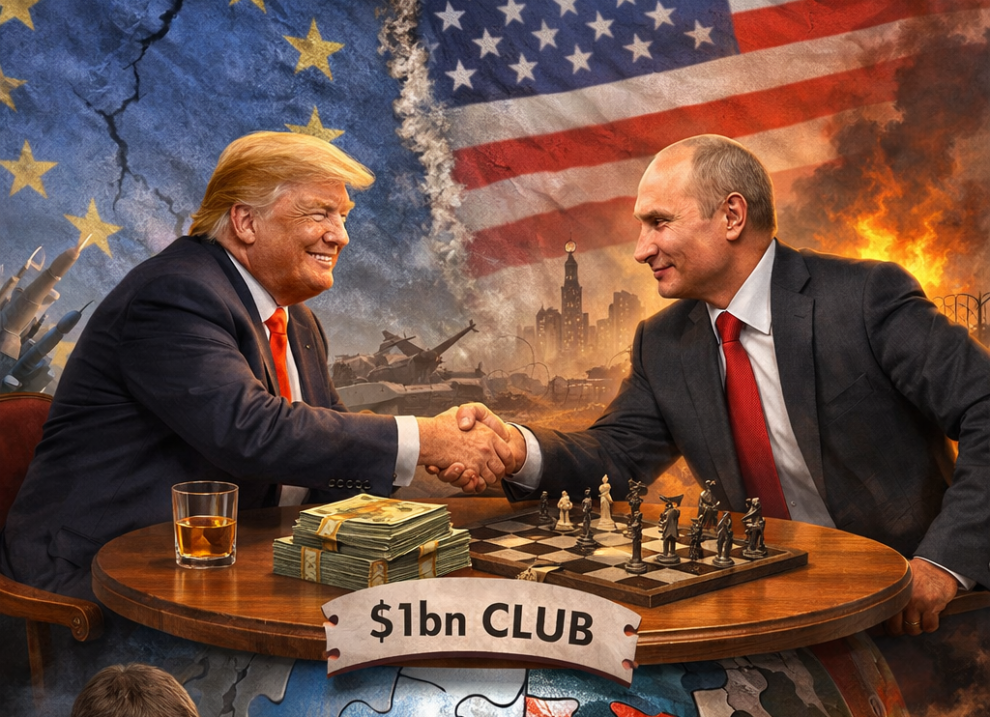
Donald Trump’s proposed “Board of Peace” is being marketed as a bold new mechanism to steady the world. In reality, it resembles a pay to play club for strongmen, billionaires, and headline seekers. Under the charter being signed today in Davos, permanent membership, complete with influence over agenda, veto rights, and long term standing, requires a contribution of more than $1 billion in the first year. Temporary three year seats come with no such fee. This is diplomacy by subscription.
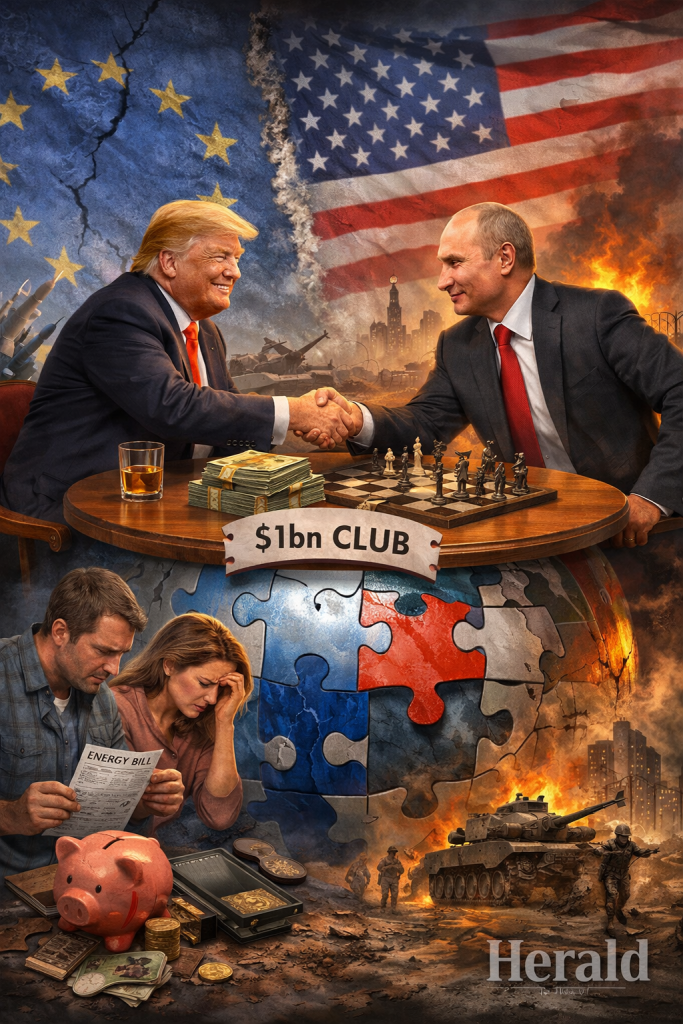
Britain has drawn a firm line. Foreign Secretary Yvette Cooper confirmed this morning on BBC Breakfast that the UK will not be among the signatories, citing “serious legal concerns” about the treaty’s broader implications and deep unease over Vladimir Putin’s potential involvement, especially given no visible Russian commitment to peace in Ukraine. This is not a minor diplomatic absence. It is a warning flare, echoed by France, Norway, Sweden, Denmark, and others who have also declined to attend or sign.
Because the bigger story here transcends Trump, Davos, or any single ceremony. The post war international order rested on something fundamental: rules that outlast the moods of individual leaders. Alliances that were genuine, not rented. A conviction that law and shared principles mattered more than personal ambition or applause.
That foundation is now cracking.
Russia seized Crimea in 2014 and launched its full scale invasion of Ukraine in February 2022. Western governments responded with sanctions, export controls, financial restrictions, diplomatic isolation, and military support for Kyiv, measures that only hold when allies act in concert and deliver a consistent message: aggression carries lasting consequences.
Now that consistency is faltering. Trump claims Putin has accepted an invitation to join. Putin says Russia is still “studying” it and has floated using frozen Russian assets in the US to cover the $1 billion fee, while tying any participation to broader concessions. The very uncertainty serves Moscow: it opens space for trade offs, backroom deals, hedging by other states, and lobbying by businesses eager to declare a return to “normal.” It transforms the isolation of an aggressor from a principle into a bargaining chip.
This is how alliances fracture, not with a dramatic rupture, but with a slow, steady leak of trust. And once trust leaks, everyone pays the price.
Europe is already being forced into a different reality. When American commitments appear conditional and alliances feel optional, Europeans cannot afford to assume someone else will always hold the line. Governments are spending more on defence, energy resilience, cyber security, undersea cable protection, and supply chain hardening. They call it prudence. For households, from Kidwelly to Warsaw, it translates into higher energy bills, higher taxes, tighter budgets, delayed school repairs, postponed hospital upgrades, and fewer choices overall.
For the man or woman on the street, this is not an abstract foreign policy debate. It is the tangible cost of living in a world where agreements can be rewritten on impulse, where peace becomes a premium brand available to those who can afford the membership fee, and where instability forces societies to divert resources from homes and communities to missiles and fortifications.
We have Trump for another three years. Many Europeans still want America as a partner, but they no longer trust America to be steady. That is not anti American sentiment. It is basic risk management in an unpredictable era.
The lesson is uncomfortable but unmistakable. Peace cannot be a stage managed brand, a photo opportunity club, or a subscription service with a billion dollar entry barrier. It must rest on rules that bind even when the powerful grow bored, angry, or hungry for acclaim.
If we allow ego to supplant law, the many will pay twice: first in their wallets, then in their safety.