

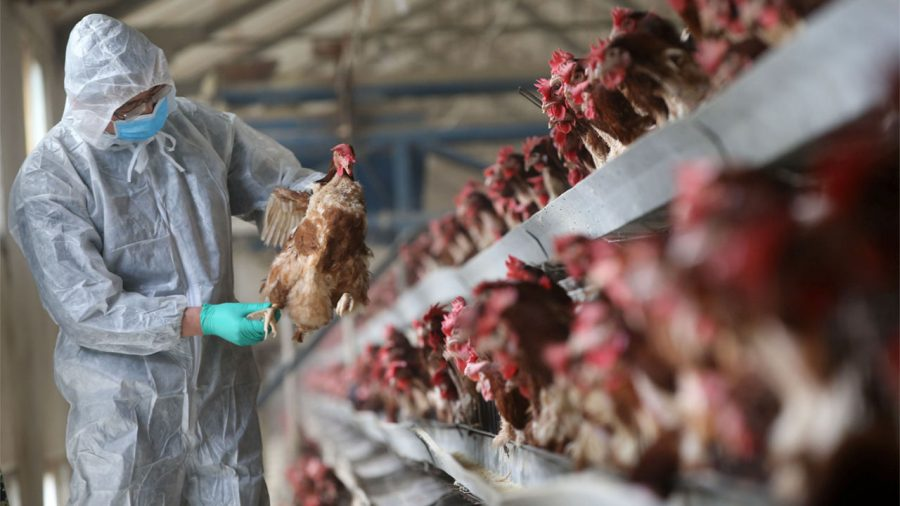

POULTRY and bird keepers across Wales will be legally required to house their birds from Thursday (Nov 13) as the Welsh Government introduces strict new measures to contain the growing threat of avian influenza.
The decision follows a sharp rise in cases among both wild and kept birds across Great Britain, prompting warnings about the impact on animal welfare, food production and public health.
Legal requirement from Thursday
From Thursday, all keepers of fifty or more birds of any species must keep them housed.
The same rule will also apply to smaller flocks if eggs or poultry products are sold or given away, because of the increased risk of disease spread through trading or sharing.
The move forms part of the existing Wales Avian Influenza Prevention Zone (AIPZ), which was first introduced in January. Additional biosecurity requirements are also being brought in for the gamebird sector, following outbreaks last season.
Government: “Difficult but necessary”
Deputy First Minister and Rural Affairs Secretary Huw Irranca-Davies said the decision was not taken lightly but was vital to protect flocks and livelihoods.
He said: “The risk of disease has recently increased further, and Wales is now facing a very high level of avian influenza risk. The decision has not been taken lightly, but it is necessary to protect both our bird populations and the livelihoods of poultry keepers across Wales.”

“I urge all bird keepers to comply with these requirements and maintain the highest standards of biosecurity. By acting now, we can help prevent the spread of this disease and protect our flocks.”
CVO: “Housing is not a substitute for biosecurity”
Chief Veterinary Officer for Wales Dr Richard Irvine warned that while housing birds is a key control measure, strict hygiene and biosecurity remain essential.
“We are seeing a sharp increase in the number of avian influenza cases in kept and wild birds. In the face of very high risk levels, mandatory bird housing measures will now apply across the whole of Wales,” he said.
“Housing measures can help protect birds, but they are not a substitute for stringent hygiene and biosecurity. I urge all keepers to act now, familiarise themselves with the biosecurity checklist online, and report any suspected cases immediately.”
Measures to remain under review
The housing order and AIPZ will remain in place until further notice and will be reviewed regularly by the Welsh Government, working alongside the Animal and Plant Health Agency and the other UK administrations.