

Record progress claimed by Welsh Government as critics warn key targets are still being missed
THE NHS in Wales has recorded its biggest-ever monthly drop in waiting lists, according to new figures released on Thursday (Mar 19), but worsening cancer treatment times and a growing diagnostic backlog highlight ongoing pressure on services.
The latest data shows the waiting list fell by 27,900 in January — the largest monthly reduction on record — marking eight consecutive months of decline.
Average waiting times have now dropped to around 18 weeks, the lowest level since before the pandemic.
Cancer target slips further
Despite the overall progress, performance in cancer care has deteriorated.
Just 57% of patients began treatment within the 62-day target in January — down from 60.7% in December and well below the 75% target.

Diagnostic delays at highest level in two years
The figures also show growing pressure in diagnostic services.
Around 135,300 patient pathways were waiting for diagnostic tests in January, with more than 48,300 waiting longer than the eight-week target — the highest level recorded since January 2024.
These delays can have a knock-on effect on treatment, as patients often cannot begin care until tests and scans are completed.
Despite the overall reduction in waiting lists, progress in key areas appears to be slowing. The number of patients waiting more than two years for treatment fell by just 44 compared with the previous month, suggesting momentum has stalled. At the same time, the diagnostic backlog has reached its highest level in over two years, with more than 48,000 people waiting beyond the eight-week target — raising concerns that delays in testing are continuing to hold up treatment across the NHS.
Emergency care targets still missed
Performance in emergency departments remains well below national targets.
Only 63.7% of patients spent less than four hours in A&E, against a target of 95%.
Nearly 10,000 patients (9,817) waited more than 12 hours in January, despite a target of zero.
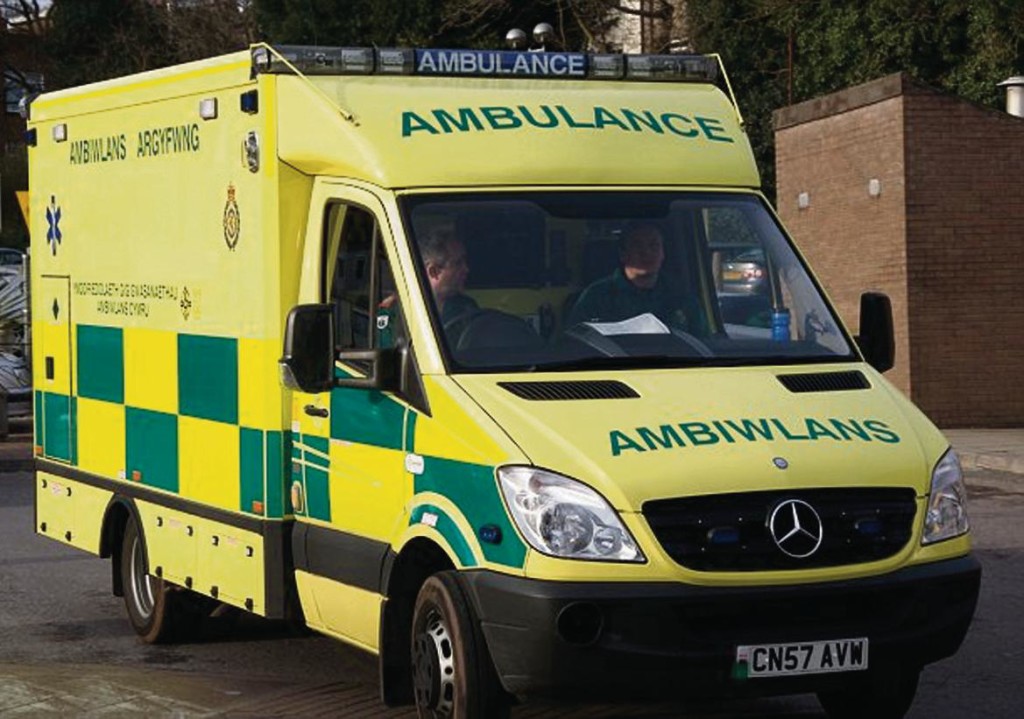
Ambulance response times for life-threatening “red” calls averaged 8 minutes 54 seconds.
However, separate February data shows some improvement, with faster response times and reduced handover delays at hospitals.
Ambulance performance also remains under pressure, with response times for the most serious “red” calls averaging 8 minutes 54 seconds — above the target range.

At the same time, waiting times for amber calls, which include serious conditions such as strokes and chest pain, have increased, adding further strain to urgent care services and raising concerns about delays for patients in need of rapid treatment.
Long waits remain far higher than England
While long waits have reduced overall, they remain significantly higher than in England.
More than 5,200 patients in Wales are still waiting over two years for treatment, compared with around 200 in England.
The Welsh Government had previously pledged to eliminate these waits by March 2023 and again by March 2024.
West Wales focus: Hywel Dda sees progress — but pressure remains
In west Wales, Hywel Dda University Health Board is increasing activity to tackle waiting times, supported by additional Welsh Government funding.
Health Secretary Jeremy Miles is visiting Prince Philip Hospital in Llanelli as part of efforts to highlight improvements, including increased outpatient appointments and record levels of operations.
Across Wales, health boards have delivered an additional 187,000 outpatient appointments and 37,000 cataract operations.
However, hospitals serving Pembrokeshire, Carmarthenshire and Ceredigion continue to face sustained demand.
Emergency departments across the Hywel Dda area have been operating under “extreme pressure” in recent months, with winter demand, staffing challenges and delays in patient discharge continuing to impact performance.
Political row over NHS performance
Welsh Government ministers say the figures show “real, tangible progress” in reducing waiting times.
Health Secretary Jeremy Miles said: “The waiting list has fallen for the eighth month in a row, a new record reduction, and the longest waits are down yet again.”
However, opposition parties say the improvements are not being felt where it matters most.
Peter Fox MS, Chair of the Senedd’s Health and Social Care Committee, said: “Cancer waiting times are worsening, with fewer patients starting treatment on time and no sign of sustained improvement.”
Reform UK Senedd Member James Evans MS added: “The waiting list for diagnosis is the highest we’ve seen for over two years, with no credible plan to fix the NHS.”
Welsh NHS Confederation
Responding to the NHS Wales activity and performance statistics for December and January, director of the Welsh NHS Confederation, Darren Hughes, said: “It’s encouraging to see continued month-on-month improvements in NHS waiting times, now for the eighth consecutive month. We commend the hard work of NHS staff and leaders who are driving this noteworthy progress.
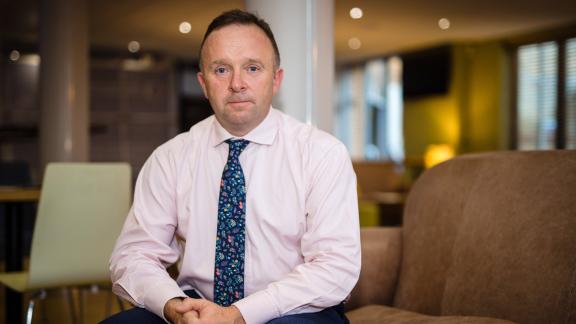
“However, urgent and emergency care pressures remain. So, while targeted funding to boost progress in scheduled care is welcome, to achieve sustainable, long-term improvements across the breadth of health and social care, we need a more robust, whole-system approach that tackles the root causes of challenges.
“So far, what we’ve seen in party manifestos do not go anywhere near far enough to deliver the transformation needed to ensure the sustainability of our health and care services so they deliver for the people of Wales. It is not simply about having more beds, more diagnostic centres or more surgical hubs, we need a long-term commitment to deliver for the people of Wales.
“We need a long-term capital investment strategy to modernise NHS estates and infrastructure (including digital), an achievable plan to stabilise social care, an all-Wales long-term workforce plan for the NHS and social care workforce, joint performance and financial frameworks, and a cross-governmental shift towards prevention to drive down demand on health and care services.”
“It’s not easy but we need bravery and longer-term commitments from political parties – in line with the Well-being of Future Generations Act – so the people of Wales can live healthier, longer lives.”
Mixed picture across Wales
The latest figures present a mixed picture.
While waiting lists are falling and average waits are improving, performance in cancer care, diagnostics and emergency services continues to lag behind targets.
For patients across west Wales, the data reflects both progress and ongoing pressure as the NHS continues to recover while demand for services remains high.