
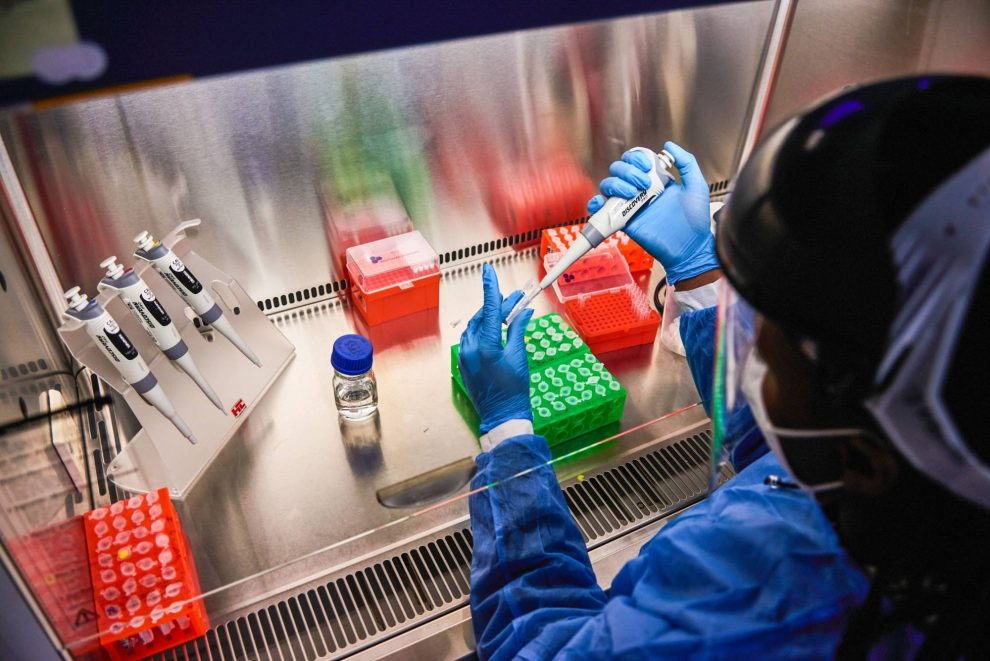

Wales warned to act fast as damning report reveals staff trauma, delayed care and deadly gaps
THE UK’s healthcare system came perilously close to collapse during the Covid-19 pandemic, a major public inquiry has found, with Wales now facing pressure to act on urgent recommendations.
A landmark report published on Thursday (Mar 19) lays bare the scale of the crisis, concluding that hospitals across the UK – including in Wales – were pushed to “intolerable strain”, with some patients receiving lower levels of care and others left untreated altogether.
The findings come as First Minister Eluned Morgan welcomed the report and confirmed the Welsh Government will respond within six months.
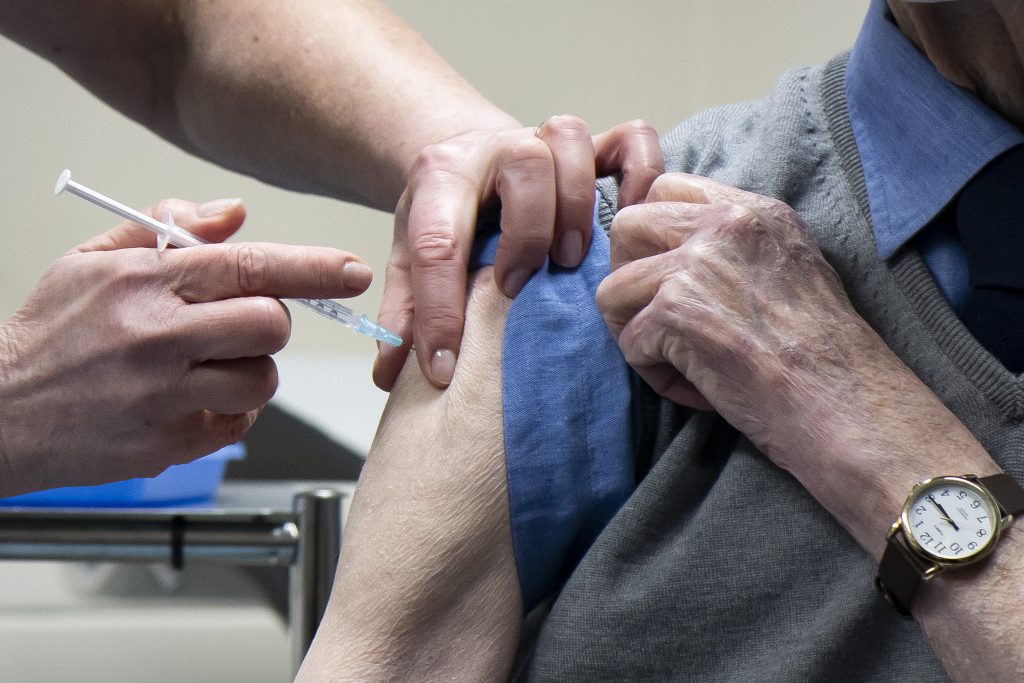
System “ill-prepared” for pandemic
The inquiry found the UK entered the pandemic in a weakened state, with staff shortages, too few hospital beds, and ageing infrastructure already placing pressure on services.
Healthcare systems “coped, but only just,” the report states, warning that collapse was only avoided due to the “almost superhuman efforts” of NHS staff.

Many workers suffered severe mental health impacts, with burnout and post-traumatic stress widespread across the workforce.
Patients died alone
Among the most distressing findings was the impact of strict hospital visiting rules.
Thousands of patients died without family by their side, while relatives were often forced to say goodbye over the phone or by text.
The report highlights how restrictions, though intended to save lives, caused lasting trauma for families across Wales and the UK.
Missed treatment and cancer delays
The inquiry also exposes the devastating knock-on effect on non-Covid care.
Planned operations were cancelled, screening programmes paused, and patients avoided hospitals out of fear – leading to delayed diagnoses and, in some cases, avoidable deaths.
Cancer treatment performance worsened, with late diagnoses contributing to increased mortality.
“Fundamental flaws” in response
Investigators identified serious failings in how the pandemic was handled, including:
- Early guidance that underestimated airborne transmission
- Shortages of PPE, leaving staff exposed
- Poor communication with vulnerable patients
- Inadequate planning for emergency and critical care capacity
These issues, the report says, put both patients and staff at greater risk.
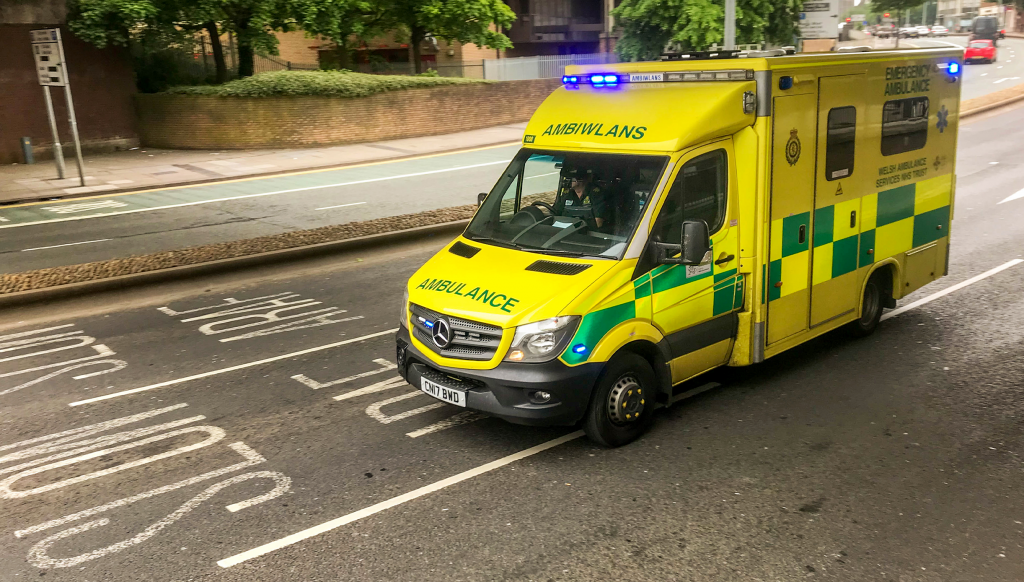
NHS 111 and ambulances overwhelmed
Emergency systems also struggled to cope.

Demand for NHS 111 surged beyond capacity, while ambulance delays increased – even for life-threatening calls.
The report warns future pandemics could see similar failures unless urgent reforms are made.
Long Covid and hidden impact
The long-term effects of Covid are still being felt, with inconsistent care for Long Covid patients and ongoing uncertainty around treatment.
Meanwhile, millions of people who needed routine care remain affected by the backlog created during the pandemic.

Welsh Government response
First Minister Eluned Morgan said the Welsh Government would respond “openly and constructively” to the findings.
She acknowledged the significant impact on patients, staff and families and confirmed Wales will address the inquiry’s recommendations within the required six-month timeframe.
Urgent warnings for the future
The inquiry makes ten key recommendations, including:
- Expanding hospital and emergency capacity
- Improving infection control guidance
- Strengthening support for healthcare workers
- Better data systems to identify vulnerable patients
It warns that without action, the NHS may not withstand the next pandemic.
“We may not be so lucky next time”
In one of the report’s starkest conclusions, Baroness Hallett warned that healthcare systems came dangerously close to failure.
If the crisis had lasted longer – or hit harder – the NHS could have collapsed entirely.