


Reselling tickets for more than their original purchase price is set to be outlawed under plans to be unveiled this week, marking the government’s most significant crackdown yet on ticket touts and major resale platforms such as Viagogo and StubHub.
The Guardian understands that ministers, who had previously considered allowing sellers to charge up to 30% above face value, have opted instead for a full ban on profit-making resales. The decision, expected to be formally announced on Wednesday, follows an open letter from dozens of prominent artists – including Radiohead, Dua Lipa and Coldplay – urging Keir Starmer to deliver on Labour’s manifesto pledge to rein in “pernicious” touting.
Under the proposal, which could be included in next year’s King’s speech, tickets may only be resold at the original price paid. While resale platforms will still be permitted to charge service fees, these will be capped to prevent them inflating costs to compensate for lost profits. The exact level of this cap has yet to be confirmed.
The rules would also extend to social media platforms, which ministers fear could otherwise become hubs for unregulated and potentially fraudulent ticket sales. To curb bulk buying, resellers will be barred from offering more tickets than could have been legitimately obtained from the original vendor.
Although a licensing system for secondary ticketing firms had been considered, the government is not pursuing this option. Instead, platforms will be legally responsible for ensuring sellers comply with the new rules, with enforcement carried out by the Competition and Markets Authority.

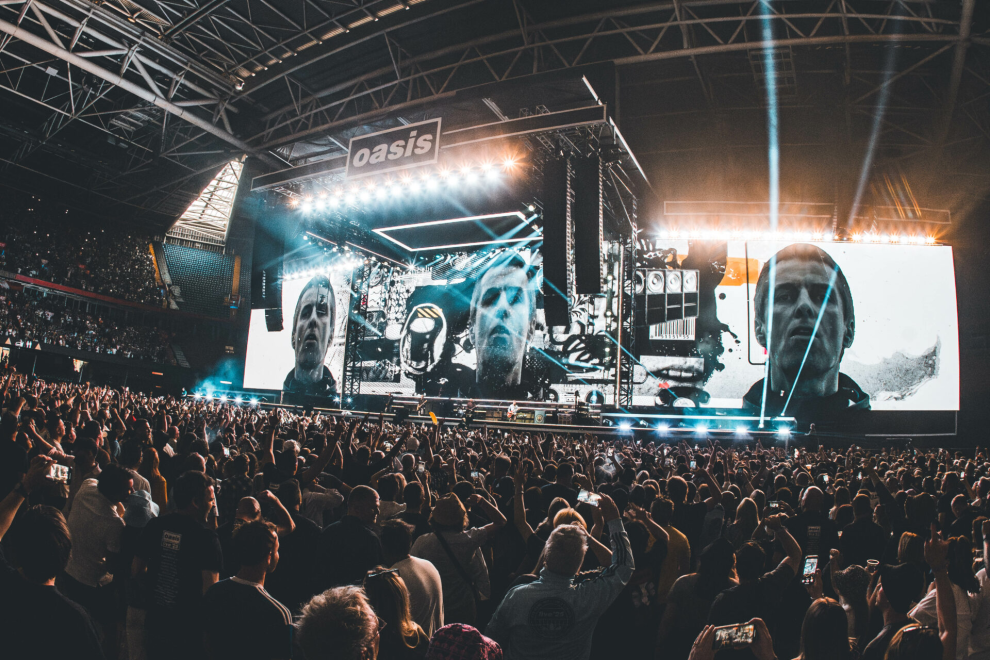
The move comes amid growing anger from musicians and fans over the scale of the secondary market. Acts such as Ed Sheeran and the Pixies have long condemned touts for exploiting supporters, while this year’s Oasis reunion tour drew a surge of professional “traders”. A Guardian investigation found three UK touts collectively listing dozens of Oasis tickets worth £26,000, while one Cyprus-based company advertised 1,596 Oasis tickets on StubHub alone.
Which? also revealed eye-watering mark-ups on international resale sites, including Oasis tickets listed at £3,498.85 on StubHub and £4,442 on Viagogo for Wembley Stadium shows. A Coldplay ticket on StubHub was priced at £814.52, while a listing for the All Points East festival – headlined by Raye – appeared on Viagogo for an astonishing £114,666.
Such inflated prices are estimated to cost UK consumers £145m a year, according to Virgin O2. In some cases, tickets may not even exist at the point of sale. Campaigners have repeatedly warned about “speculative selling”, a fraudulent practice in which touts advertise tickets they do not yet possess, then try to secure them more cheaply after taking a buyer’s money.
Secondary ticketing companies have strongly opposed the government’s plans, warning that a cap on resale prices will simply drive transactions onto the black market. Some of the UK’s biggest touts even discussed launching their own political lobbying campaign at a covert meeting last year, revealed in footage obtained by the Guardian.
Questions remain over the future viability of platforms such as Viagogo and StubHub in the UK if they are prevented from taking a share of the large mark-ups currently charged on their sites. In recent years, face-value alternatives such as Twickets and Ticketmaster’s internal exchange have grown in popularity, offering fans a route to avoid inflated prices.
Shares in US-listed StubHub Holdings fell by 10% on Monday following reports of the impending ban. StubHub Holdings owns Viagogo, while the UK StubHub business remains separate after a merger between the two was partially blocked by the competition watchdog in 2020.
Criticising the proposed cap, a spokesperson for StubHub International said: “With a price cap on regulated marketplaces, ticket transactions will move to black markets.”
A Viagogo spokesperson added: “Evidence shows price caps have repeatedly failed fans, in countries like Ireland and Australia fraud rates are nearly four times higher than in the UK as price caps push consumers towards unregulated sites.”