
AS WE WELCOME 2026, many people focus on resolutions for a “new you” but often overlook the space around them. This year, why not think New Year, New Garden? Now is the perfect time to set nature‑friendly goals that will bring colour, joy, and wellbeing to your outdoor space throughout the seasons ahead. The team at British Garden Centres, the UK’s largest family‑run garden centre group, has put together a list of gardening resolutions to help make 2026 greener, healthier, and more rewarding for everyone.
Grow your own even in small spaces:
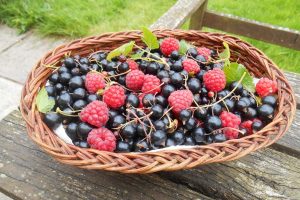
After years of growing interest in homegrown produce, grow your own remains top of the list for 2026. No matter the size of your space, even the smallest of areas can grow herbs, salad leaves, and tomatoes as these plants are easy to nurture and provide a quick, satisfying harvest.
For those short on space, windowsill or balcony gardening can be surprisingly productive, and a few pots or hanging baskets can transform an outdoor nook into an edible oasis. You can also try compact crops like chillies, strawberries, radishes, or dwarf beans, which thrive in pots and containers. Climbing plants such as peas, cucumbers, and trailing cherry tomatoes make clever use of vertical space, giving you plenty to pick without needing a large plot
Make 2026 the year for pollinators:

Britain’s gardens are vital habitats for bees, butterflies, and other pollinators, yet many species face increasing challenges due to habitat loss and changing weather patterns. This year, make it your mission to take a pollinator pledge by filling beds, pots, and borders with nectar‑rich favourites such as lavender, salvia, and echinacea.
Even a single pot of bee‑friendly flowers makes a difference. By planting for pollinators, you’re helping safeguard biodiversity for future generations. Look in your local garden centre for pollinator‑friendly plant collections, insect hotels, and advice on creating year‑round habitats.
Compost more, waste less:
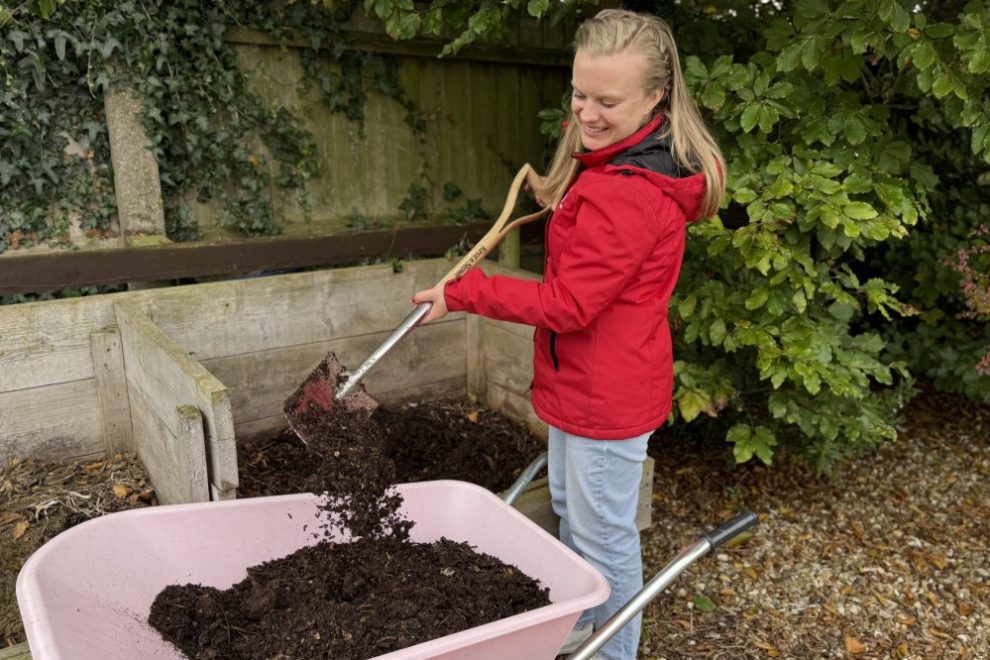
This resolution benefits both your garden and the planet, as creating your own compost from kitchen scraps and garden cuttings reduces waste while enriching the soil naturally. We recommend starting a compost heap or using a compost bin, which are both easy and affordable ways to support the circular economy at home. Most fruit and vegetable peelings, teabags, coffee grounds, eggshells, grass clippings, leaves, and shredded paper can all be composted at home. Just avoid cooked food, meat, and dairy products to keep your compost balanced and healthy
Garden for wellbeing:
Eight in ten UK adults agree gardens benefit their physical health, with 85% reporting improvements to their mental wellbeing, according to the Horticultural Trades Association (HTA). Gardening just 30 minutes, three times a week, can lower blood pressure and improve sleep quality, according to health studies
Spending time outdoors has proven mental and physical health benefits, and British Garden Centres wants to help more people see their gardens as personal sanctuaries. Whether that means introducing a calming water feature, creating a sensory herb border, or carving out a quiet corner for morning coffee, there are many ways to make your outdoor space a haven for relaxation.
Support sustainability through smart shopping:
Another 2026 resolution focuses on making greener choices when selecting products and plants. British Garden Centres continues to expand its range of environmentally conscious products, including peat-free composts, biodegradable pots, eco-friendly pest control solutions, and native plant varieties, grown on their own nurseries.
Small choices add up, and by choosing more sustainable options, gardeners can help protect natural resources and reduce their carbon footprint.

Love your soil:
Healthy soil is the secret to every thriving garden, and 2026 is the year to give it the attention it deserves. Soil is alive with millions of microorganisms, fungi, and insects that work together to support plant growth and resilience. Understanding how it behaves helps gardeners get the best from it all year round. Heavy clay soils hold nutrients well but can become compacted, while sandy soils need organic matter to improve water retention. Adding compost, manure, or mulch annually enhances soil texture, introduces beneficial microbes, and helps regulate temperature and moisture levels.
To test your soil health, look for earthworms and a crumbly texture that signals good structure. Regularly topping up with organic matter feeds the soil’s ecosystem naturally, reducing reliance on fertilisers over time. Gardeners often focus on plants, but success really starts beneath the surface. By improving soil health, you’ll see stronger plants, fewer pests, and more sustainable growth across your garden.
Julian Palphramand, Head of Plants at British Garden Centres, said: “January is the ideal time to plan and revitalise your garden, just as you would do by making resolutions for yourself.
“Whether you’re refreshing flower beds, planting your first seeds, or transforming your space into a wildlife haven, make this the year you grow something great.”
Start your 2026 gardening journey today by visiting your nearest British Garden Centres location or exploring inspiration online on the British Garden Centres website.
British Garden Centres (BGC) is the UK’s largest family-owned garden centre group with 74 centres around the country. The group is owned and led by the Stubbs family, who also own and operate Woodthorpe Leisure Park in Lincolnshire.
BGC was launched in 1990 with the opening of Woodthorpe Garden Centre by brothers Charles and Robert Stubbs. Since 2018, it has expanded rapidly with the acquisition of 50 garden centres, allowing it to grow from its heartland to the business it is now, with 74 garden centres spread from Carmarthen to Ramsgate, Wimborne to East Durham.
The group has a team of over 3000 colleagues working across the garden centres, restaurants, growing nurseries, distribution centres, Woodthorpe Leisure Park, and Woody’s Restaurant & Bar.