



NEW GUIDANCE to help Cardiff schools and education settings stay as safe as possible for pupils and staff, has been released by Cardiff Council.
The Weapons in Schools and Educational Settings Guidance is part of a wider suite of guidance and support to help schools in keeping all young people and school staff safe.
It is the first of its kind to be released in Wales and has been received by The Welsh Government who welcomes the guidance and the simple, practical advice it offers to schools. The Welsh Government are discussing how to build on the guidance to ensure all local authorities and schools can benefit from Cardiff’s work.
Commended by the Police and Crime Commissioner for South Wales, the guidance has been designed to reduce risk, prevent harm, and reassure families that schools remain secure and supportive places to learn.
Developed in response to calls from headteachers to ensure that guidance continues to evolve and stay up to date, and through consultation with children and young people – the guidance has been co-produced with a wide range of partners, including South Wales Police, governors, trade unions, youth services and violence prevention experts.

It sets out a clear and consistent approach for schools, should they have concerns about weapons being brought to school, whilst also focusing on early support and positive change.
It is built around three core goals:
- Keeping all children and staff safe.
- Supporting all children to remain in education.
- Helping schools and educational settings prevent children from possessing weapons.
It recognises that there are often complex reasons why a young person might carry a weapon and encourages schools to work closely with families and other services to understand what’s going on so that the right support can be put in place.
The guidance aligns with preventative strategies which are embedded within the Curriculum for Wales, promoting a culture of safeguarding and community engagement and supporting children and young people to feel safe.
Cardiff’s Deputy Leader and Cabinet Member for Education, Cllr Sarah Merry, said: “We understand that parents and carers play a vital role in school life, and we want them to feel fully informed and involved. That’s why we’ll be writing to parents to explain the reasons behind this new guidance and how it will be used in schools.
“Headteachers have been asking for revised support in this area and it’s absolutely right that we’ve worked closely with them to create something practical and useful. It is also part of our review following incidents in other parts of the country and gives schools the tools they need to keep everyone safe – it’s not about creating fear; it’s about building confidence.
“We know that early support – and understanding what’s going on in a young person’s life – can make a real difference. That’s why this guidance brings together schools, families, and services to work as one team. It’s a positive step that shows how much we care about our children’s safety, their right to feel secure in school, and our commitment to helping them thrive.
“I also understand that some parents may feel anxious about the idea of searches taking place in schools. That’s why the guidance is very clear: searches will not be part of a daily school routine and would only happen when there’s a genuine concern that a child may be carrying a weapon or something that could cause harm. It’s not routine, and it’s never done lightly.
“Only if a search is needed, it would be done safely, respectfully, and in private – never in front of other pupils – and always with two trained staff members present. In most cases, a handheld scanner (or ‘wand’) will be used, so your child won’t be touched or physically searched. This approach is designed to protect everyone’s dignity and wellbeing, while making sure schools remain safe places to learn.”
The Police and Crime Commissioner’s Violence Prevention and Reduction Unit (VPRU) has played a key role in supporting the Council’s work, providing staff expertise, resources and funding to help keep young people safe. Through interventions in schools and communities, the VPRU has developed a clearer picture of the issues affecting children and young people in Cardiff.

Working closely with Public Health Wales, the VPRU helped to develop the Wales Without Violence Framework, which has directly shaped the Cardiff Without Violence Strategy. This partnership approach ensures that guidance for schools is backed by evidence, rooted in prevention, and supported by investment in the right services for young people.
Police and Crime Commissioner for South Wales, Emma Wools said: “I want to commend Cardiff Council for showing real leadership in launching this new guidance. Keeping children safe, supporting them to remain in education, and addressing the underlying causes of violence are central to our shared vision.
“Through our Violence Prevention and Reduction Unit, we have been proud to support this work, building on the Wales Against Violence Framework and the launch of the recent Cardiff Without Violence Strategy.
“This new approach reflects the priorities in my Police, Crime and Justice Plan – especially our focus on crime prevention and violence reduction. By working together as one system, we can protect young people, reassure families, and strengthen our communities.”
The Council has rolled out the guidance to all primary, secondary and special schools in readiness for the Autumn term.
This isn’t a rulebook. It’s a set of helpful steps and considerations to guide schools when dealing with difficult situations. It encourages staff to use their professional judgement and respond in a way that puts safety first, while also being fair and understanding.
Each school has appointed a Violence Prevention Lead – senior staff members who will take part in specialist training designed to prepare them for real-life situations involving weapons or threats to safety. 150 Violence Prevention Leads across schools and Youth Settings have now received scenario-based training, using realistic examples and role-play to help staff practise how to respond calmly and effectively.
The training is trauma-informed and person-centred, helping staff understand the wider context behind a young person’s behaviour ensuring they can respond with care as well as authority. If a weapon is found, a special meeting will be held with relevant professionals to understand what happened, support the young person involved, and plan next steps.
The guidance also includes:
- Safe searching procedures that are discreet, trauma-informed, and legally compliant.
- Incident Review Meetings to ensure a calm, consistent response when a weapon is found.
- Wellbeing support for both staff and pupils.
- Clear recording and reporting tools to ensure transparency and accountability.
This weapons guidance is part of a broader set of actions Cardiff Council is taking to keep schools safe and welcoming. These include:
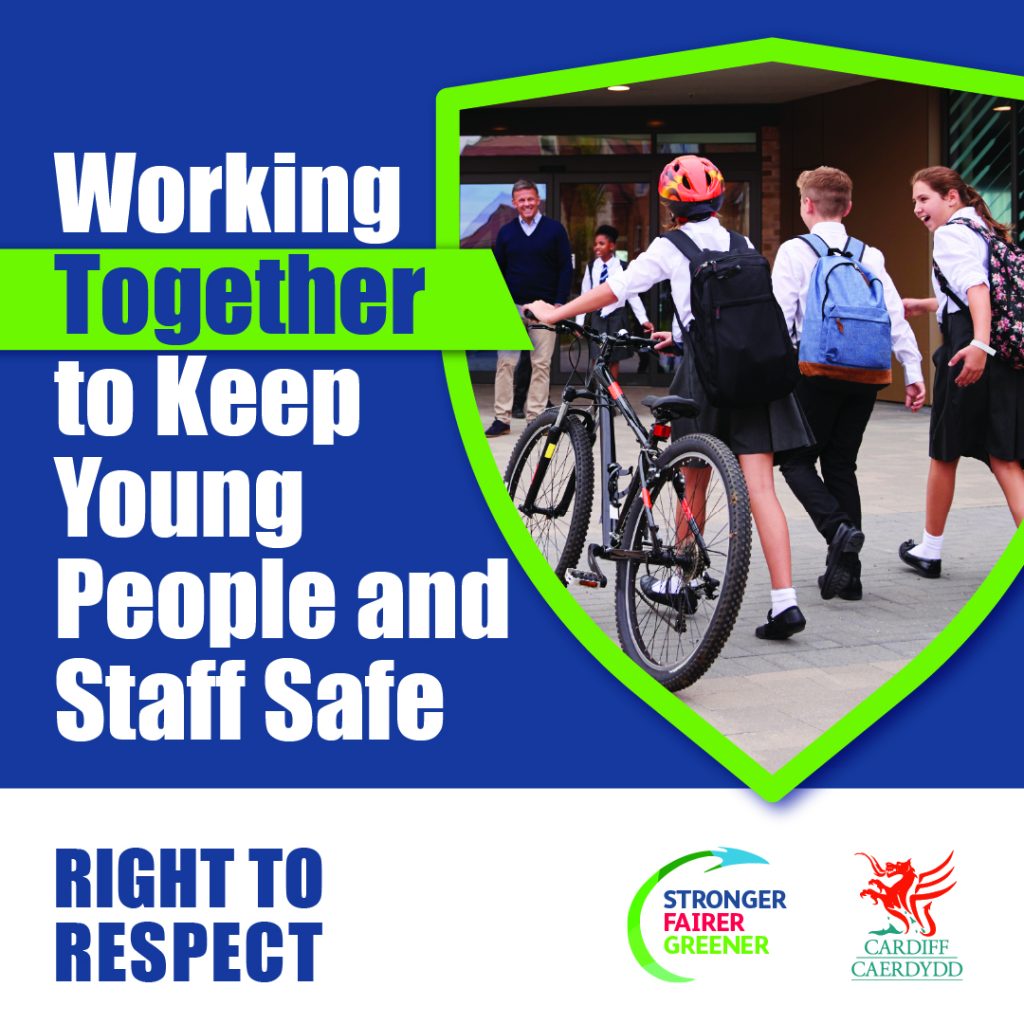
- The Respect Campaign – reminding everyone that schools should be free from abuse or aggression, and that keeping them safe is a shared responsibility.
- Lockdown rehearsals – helping schools prepare for emergencies in a calm and practical way.
- Training and workshops – for school staff, governors, youth workers and others.
- Preventative education – using the Curriculum for Wales to build a culture of respect and safety.
- Long-term inclusion strategies – to help schools support all learners.
The initiative supports Cardiff’s Stronger, Fairer, Greener ambitions, underscoring a city-wide commitment to creating safer, more inclusive educational environments and is part of Cardiff’s vision as a Child Friendly City, aligning with the United Nations Convention on the Rights of the Child (UNCRC), by placing young people at the heart of all decisions and processes.