

Charity highlights hidden dangers in gardens as new season begins
DOG owners across Wales are being warned to take extra care this spring as common garden plants could pose a serious risk to their pets.
With the season officially getting underway on March 20, Dogs Trust has issued a timely reminder that while warmer weather and longer days are welcome, several popular spring flowers can be toxic to dogs.
The warning comes from the charity’s centre in Bridgend, which is urging owners to remain vigilant as more people head outdoors with their pets.
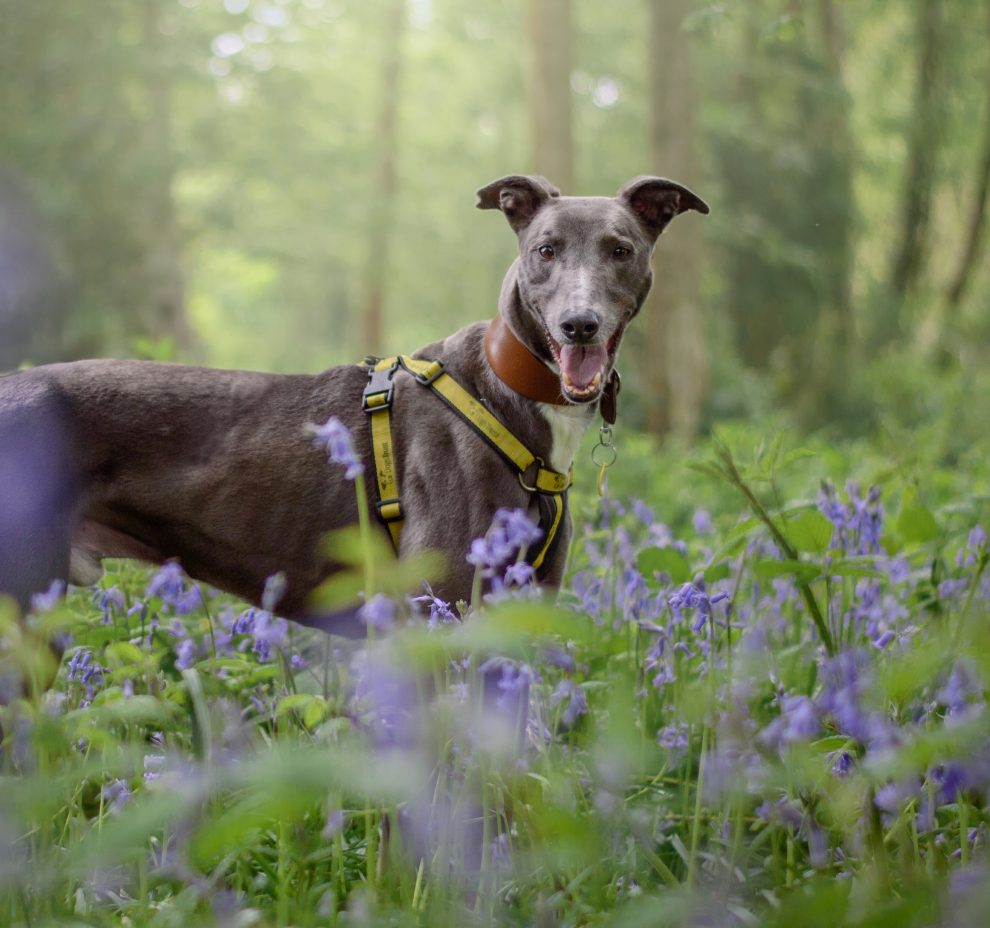
Plants such as daffodils, tulips and bluebells—often seen as a welcome sign of spring—can cause a range of health issues if ingested by dogs. Symptoms can include vomiting, diarrhoea, excessive drooling and lethargy, with more serious cases leading to breathing difficulties, tremors and even seizures.
Owners are being advised to contact a vet immediately if they suspect their dog has eaten any potentially harmful plants, even if no symptoms are yet visible.

Aideen O’Connor, senior veterinary surgeon at Dogs Trust, said: “After what feels like an incredibly long winter, it’s wonderful to see the early signs of spring.
“However, while flowers such as daffodils and tulips are great to look at, they can be problematic for our canine friends, especially those who love to dig in the garden.
“Although cases of poisoning are rare, knowing which plants are dangerous and keeping them out of reach can help prevent accidental poisoning.”
Among the most dangerous plants highlighted are daffodils—particularly their bulbs—which can cause severe illness, as well as tulips, bluebells, and rhododendrons. Even small amounts of some plants can prove fatal, especially for smaller dogs and puppies.
The charity is also warning about lesser-known risks from plants such as foxglove, lupin, crocuses and hyacinths, all of which can pose dangers if consumed.
With gardening season now in full swing, Dogs Trust is encouraging pet owners to carefully consider what they plant and to check whether flowers and shrubs are safe for dogs before introducing them into outdoor spaces.
As well as keeping gardens safe, the charity is also promoting ways to make outdoor spaces more enriching for pets. Suggestions include creating sensory areas with different textures, planting dog-friendly herbs, and adding features for climbing and exploration.
Providing shaded areas, fresh drinking water and safe play zones can also help ensure dogs stay comfortable and stimulated as temperatures begin to rise.
The message is clear: while spring is a time to enjoy the outdoors, a little awareness can go a long way in keeping four-legged companions safe.