
Labour’s century-long dominance crumbles, Reform’s hype machine crashes, and Plaid Cymru’s clarity of values carries the day – a result that offers lessons for the whole of Britain.
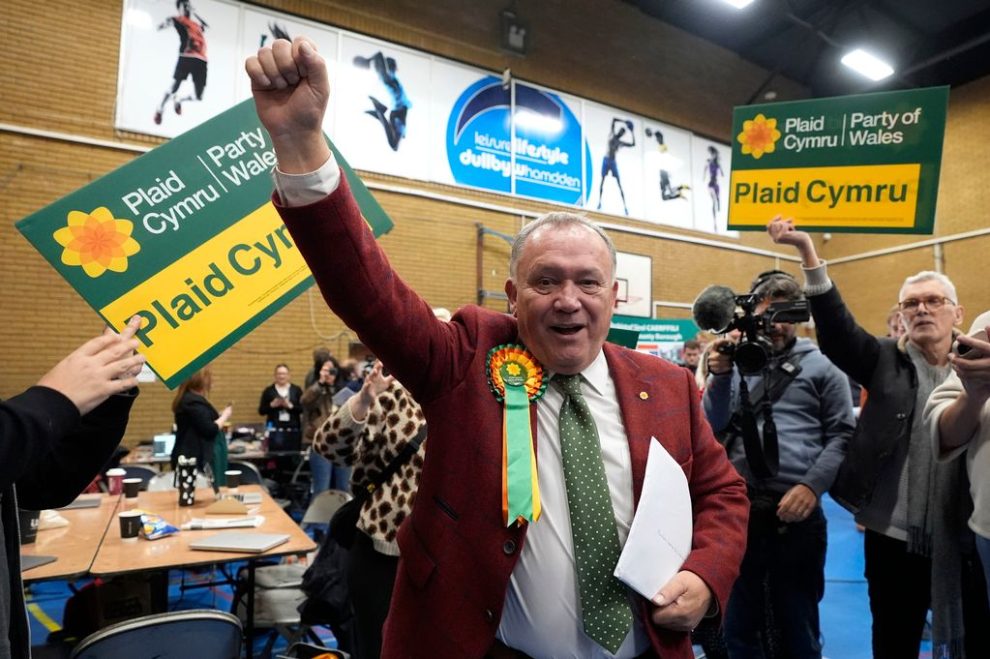
WHEN the votes were counted in Caerffili Leisure Centre in the early hours of Friday morning, the noise of history being made echoed across Wales. A confident Reform UK had swaggered into town expecting a coronation. Labour, the century-old giant of Welsh politics, assumed its red wall would somehow hold. But it was Plaid Cymru that emerged triumphant – calm, rooted, and utterly sure of itself.
This was more than a by-election. It was a political reckoning. In one dramatic night, the people of Caerffili rewrote assumptions about Welsh politics and sent a message that will be studied in campaign rooms from Cardiff to Westminster: Wales will not be bullied by bluster or frightened by fear.
Labour’s century of dominance shaken
For over one hundred years, Labour has been Wales’ natural party of government. It has led the Senedd since devolution began in 1999 and has long been hailed as one of the world’s most successful election machines. In 2021, Labour won Caerffili with 46 per cent of the vote. Four years later, that figure fell to just 11 per cent. The collapse was breathtaking.
Under the new proportional voting system that will take effect in the 2026 Senedd election, 11 per cent support is near extinction territory. Once a party drops below that threshold, it risks winning no seats at all in a region. Labour, so often complacent about its Welsh heartlands, suddenly finds itself staring into the abyss.
Keir Starmer, now both prime minister and party leader, never even visited the constituency. That absence spoke volumes. It was either an admission that he feared being an electoral liability, or worse, a sign that he simply did not care. Either way, it left local campaigners deflated and handed Plaid Cymru an open goal.

Reform’s humiliation
For Reform UK, the Caerffili by-election was supposed to be its great unveiling in Wales. Nigel Farage and his entourage flooded south-east Wales, beaming for cameras, boasting about “ground zero” for their populist surge. Pollsters and bookmakers predicted victory. Reform’s candidate, Llyr Powell – formerly employed by Nathan Gill, himself once described as a Russian asset – was so confident he was practically measuring up curtains for a Senedd office.
Then came the count. Plaid’s veteran councillor Lyndsay Whittle, who has served his community for fifty years, won comfortably. Farage, reportedly armed with a victory speech for the TV cameras, disappeared before dawn without a word. Reform’s campaign manager Zia Yusuf attempted to spin a “moral victory”, while Powell looked like he wanted the earth to open up and swallow him.
The myth of unstoppable momentum
For weeks before polling day, social media gave the impression that Reform had already won. Comment sections beneath every news story were filled with the same slogans, memes, and insults aimed at the Welsh Government and anyone defending its “Nation of Sanctuary” policy.
The pattern was clear: identical messages, fake accounts, and waves of abuse targeting Ukrainian refugees and Plaid supporters. Many appeared to be automated or based outside Wales altogether. Bots cannot cast ballots – and Caerffili’s real voters proved immune to the noise.
On one news post alone, not a single pro-Reform commenter appeared to live in Caerffili. More than half were posting from England. The online mob may dominate X and Facebook, but they don’t represent Welsh streets, workplaces, or homes.
Plaid’s clarity and community
Plaid Cymru won because it remembered what Welsh politics is supposed to be about – service, integrity, and community. Lyndsay Whittle’s half-century of local work gave authenticity. Rhun ap Iorwerth, the party’s leader, has never tried to out-Farage Farage. He has been clear that Wales’ problems will not be solved by blaming immigrants, but by challenging inequality and mismanagement.
That clarity stood in stark contrast to Labour’s dithering and Reform’s division. While UK Labour spent months trying to sound “tough” on immigration, Plaid appealed to Welsh values of fairness, compassion and self-reliance. Voters noticed.
The red wall no longer red
Caerffili’s result doesn’t just mark a one-off rebellion. It shows that Wales’ old loyalties are finally breaking down. Labour’s message no longer resonates with working-class communities struggling with NHS waiting times, housing shortages and the cost of living. People are not abandoning Labour because they have suddenly turned right-wing; they are doing so because they no longer see evidence that Labour is improving their lives.
Plaid offered something recognisable – a party rooted in Wales, unafraid to challenge both Westminster and Cardiff Bay. Reform offered anger without solutions. Labour offered management without meaning.
Lessons for Britain
Across the UK, this result should sound alarm bells for both major parties. It proves that standing firm against the hard right can work. Sixty per cent of votes cast in Caerffili went to parties of the centre-left: Plaid, Labour, the Greens and Liberal Democrats. The majority of Wales still believes in decency, public service and equality – values that cannot be reclaimed by mimicking Farage.
Farage’s brand of politics thrives on resentment and online theatre. But as the people of Caerffili demonstrated, the real world still matters. Leaflets, doorsteps and community credibility still beat memes and rage.
A warning for the next election
Wales now faces a critical test. Under the new proportional Senedd system, Reform will almost certainly secure a sizeable presence in 2026 – perhaps as many as thirty seats. Each will come with publicly funded staff and resources, giving the far right a platform unprecedented in Welsh politics.
That makes what happened in Caerffili even more important. It shows that populism can be defeated, but only when other parties are clear about what they stand for. If the mainstream retreats into fear or imitation, Farage will fill the vacuum.
The battle for Wales’ soul
Next year’s election will not be a routine devolved vote. It will be a choice between two versions of Wales: one rooted in compassion, respect and community; the other driven by bitterness, blame and imported culture wars.
History shows how seductive it can be to believe simple answers to complex problems. But Wales has faced down worse storms before. It will do so again, if its people stand as firmly as Caerffili did this week.
Ignore the trolls and the bots. Keep faith in facts, fairness, and each other. The lesson from Caerffili is clear: when the noise fades, Wales still knows who it is.