

Largest immigration swoop delays U.S. jobs and angers key ally South Korea
DONALD TRUMP promised tough action on immigration. What America got last week was the largest workplace raid in its history… and one of the biggest own goals yet.
At the Hyundai–LG battery megasite in Georgia, federal agents swept in and arrested nearly 500 people, most of them South Korean nationals. The images were stark: skilled technicians in handcuffs, lined up in buses, filmed and broadcast for the world to see. Washington called it law enforcement. Seoul called it humiliation.
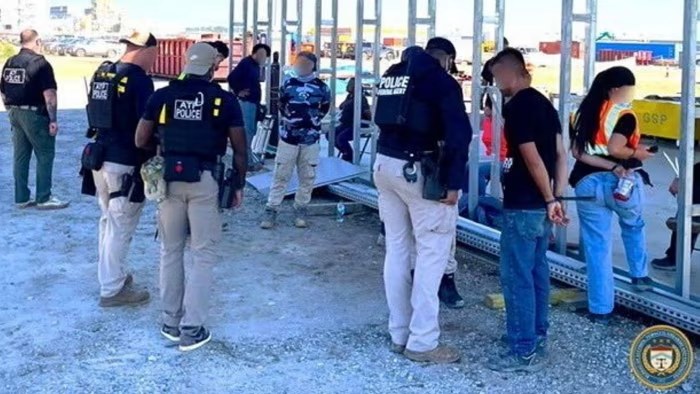
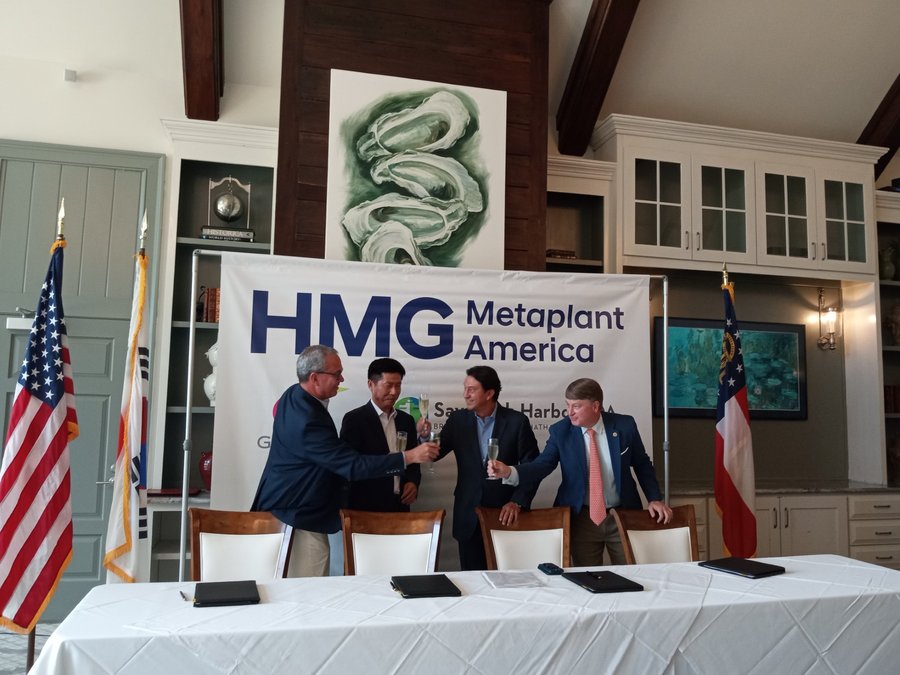
Here’s the reality. Those Korean workers weren’t here to steal American jobs. They were here to set up the production lines – the complex machinery that requires the same teams who built it in Korea. Once complete, those lines would have been handed over to local Americans, who would have been hired, trained, and paid to run them long term.
By tearing those crews off the job in one swoop, the administration has achieved three things:
[1] Delayed thousands of U.S. jobs that were supposed to follow once the plant went live.

[2] Shaken a multibillion-dollar investment in American manufacturing.
[3] Offended one of America’s closest allies, South Korea, which has now flown hundreds of its people home on chartered planes.
Hyundai says none of those detained were direct employees, only contractors. But construction has paused, and the timeline for American hiring is slipping. South Korea has lodged formal protests. And all the while, Trump boasts of a “victory.”
This isn’t strength. It’s short-sighted bluster that hurts U.S. workers and undermines U.S. alliances. America needs those factories. It needs those jobs. And it needs South Korea as a partner in everything from trade to security.
Trump may think he’s made a point about immigration. What he’s really done is make Americans wait longer for paychecks, and make allies wonder whether the U.S. can be trusted. In trying to look tough, he has shown weakness.